
Koch-Backed $533M Rescue: Getty Images Files for Bankruptcy, Goes Private
The photo licensing giant is seeking bankruptcy protection and a private exit, with Charles Koch's investment affiliates pledging up to $533 million in fresh equity.
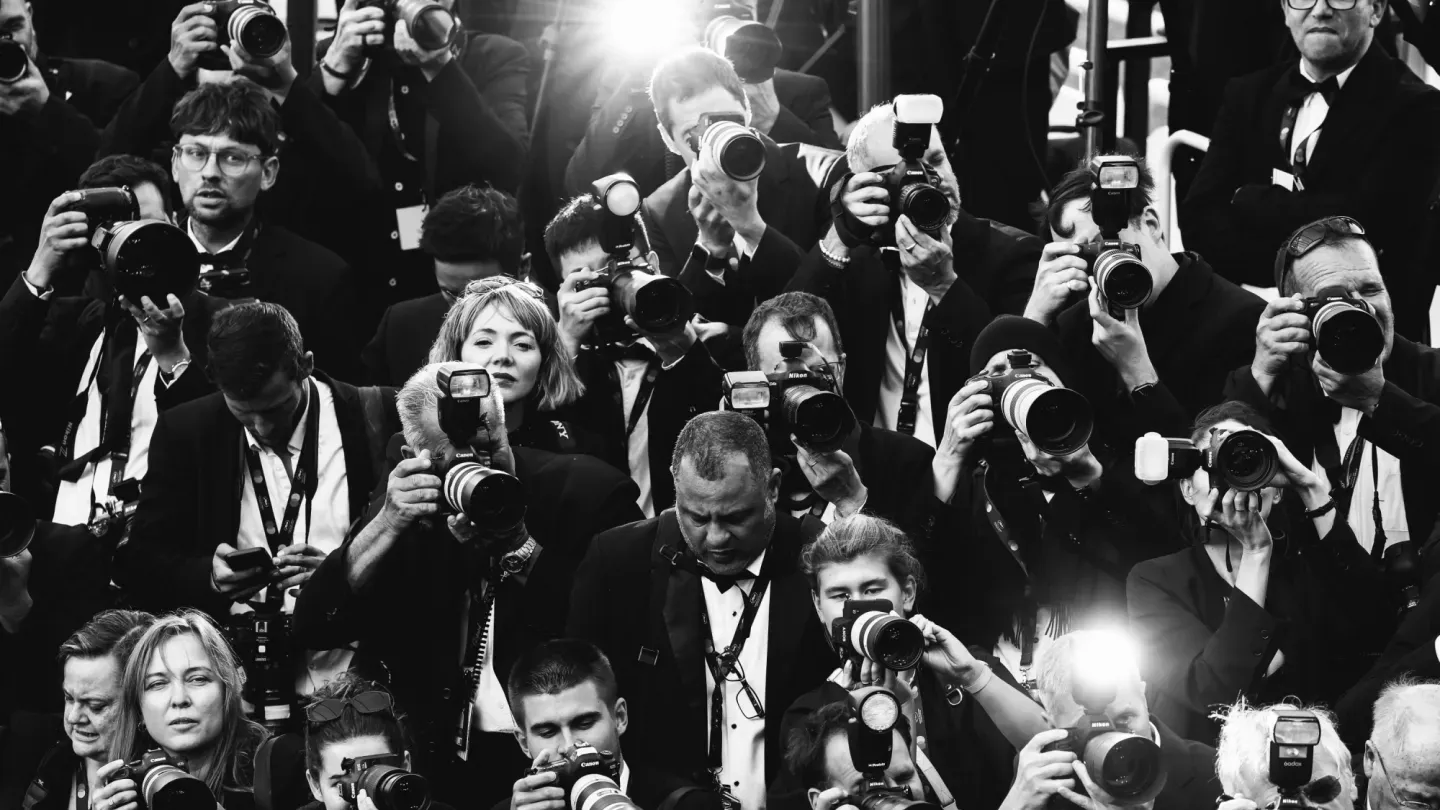
Getty Images, the photo provider, is filing for bankruptcy and going private in a restructuring deal backed by up to $533 million in new equity from affiliates of Charles Koch's investment firm. The move hands the company a fresh capital injection while shifting its ownership away from public markets, a signal for any executive watching the pressure on legacy content businesses.
Getty Images is filing for bankruptcy and going private, with affiliates of Charles Koch's investment firm pledging up to $533 million in new equity to fund the restructuring. The deal, reported by The Hollywood Reporter, marks a dramatic end to the photo provider's run as a public company and positions Koch-affiliated investors to take control through a court-supervised process. For a business that has been a staple of newsrooms, marketing departments, and creative studios for decades, the filing is both a survival move and a surrender of public-market independence.
The $533 million commitment is the financial backbone of the deal, giving the company enough capital to navigate bankruptcy proceedings and emerge with a cleaner balance sheet. In a typical Chapter 11 restructuring, existing equity is often wiped out or heavily diluted, though the source does not specify the terms. What is clear: Getty is trading public scrutiny for a private restructuring path, one that lets it reset debt obligations while keeping operations running. The pledge from Koch affiliates is not a loan - it is new equity, meaning these investors are betting that Getty's assets are worth more than its current liabilities.
Getty Images has long been one of the most recognizable names in visual licensing, supplying photos and videos to publishers, advertisers, and businesses worldwide. But the company, like many legacy content providers, has been navigating a rapidly changing market for visual media. Free stock photo platforms, shifting customer behavior, and the cost of maintaining a vast library of licensed imagery have all squeezed margins. The bankruptcy filing is the culmination of those strains, forcing a restructuring that will reshape the company's ownership and capital structure. For customers who rely on Getty's library, the immediate expectation is continuity, though the source does not address operational details.
Charles Koch's investment firm is not a household name in media, but the Koch family has a long history of deploying capital across industries, from energy to real estate. The pledge of up to $533 million signals a conviction that Getty's assets - its extensive collection of professional-grade visuals and its relationships with publishers - still hold value if the balance sheet is reset. For Koch affiliates, this is a bet on the enduring demand for high-quality imagery in a content-saturated world, even as artificial intelligence tools begin to generate visuals that compete with traditional stock photography. The deal also reflects a broader trend of billionaire-backed investment vehicles stepping into distressed media assets.
Filing for bankruptcy does not mean Getty is shutting down. In a Chapter 11 process, the company continues operating while it works out a plan to repay creditors and emerge with a sustainable structure. The $533 million equity commitment is designed to fund that process and provide a path to exit bankruptcy as a private company. For Getty's customers - the designers, editors, and marketers who depend on its library - the expectation is that service continues uninterrupted, though the source does not address operational details. The restructuring will likely involve negotiations with creditors over how much they recover, and the court will oversee the plan.
The deal is a reminder that even iconic digital brands can stumble under the weight of legacy costs and changing consumer habits. For executives in adjacent industries - stock media, content licensing, even software - the takeaway is that private capital is increasingly willing to step in where public markets have lost patience. The restructuring also highlights the growing role of family-office and billionaire-backed investment vehicles in rescuing or reshaping distressed media assets. Koch's involvement is particularly notable because it signals that investors with deep pockets see value in a company that public markets had written off.
For boards and CEOs watching from the sidelines, Getty's path offers a playbook: when public-market valuation no longer reflects the underlying asset value, a bankruptcy-and-privatization deal can reset the terms. But it comes at a cost - loss of control for existing shareholders, scrutiny from creditors, and the uncertainty of a court-supervised process. The Koch affiliates' willingness to commit $533 million suggests they see a clear path to value, but the real test will be whether Getty can emerge leaner and more focused than before. The deal also raises questions about the future of stock photography as an industry, and whether other legacy players will follow Getty's lead into private hands.
This story's Key Insights and Take-aways are locked.
Create a free account to unlock Executive Actions for one credit.
Register to UnlockAlways free for Executives Club members. Join the Club
More in Business

Elon Musk unveils a flying car, and SpaceX helped build it
The Tesla CEO's showcase at a SpaceX facility signals a future where road and rocket engineering converge.

Apple's $2,000 iPhone Duo opens preorders, taking on Samsung and Google
Apple's first foldable hits the market at a premium price, reshaping a category Samsung and Google have led.

Pope Leo XIV, first American pope, diagnosed with lung cancer
The 71-year-old Chicago-born pontiff underwent successful surgery on his right lung, and his diagnosis raises new questions about his AI-focused papacy and the Vatican's future.