
Kwn went broke as an Amazon driver in 2024, then turned £1.99 into label boardrooms
The British R&B singer Kwn sold her next single directly to fans after being dropped, and it worked fast.
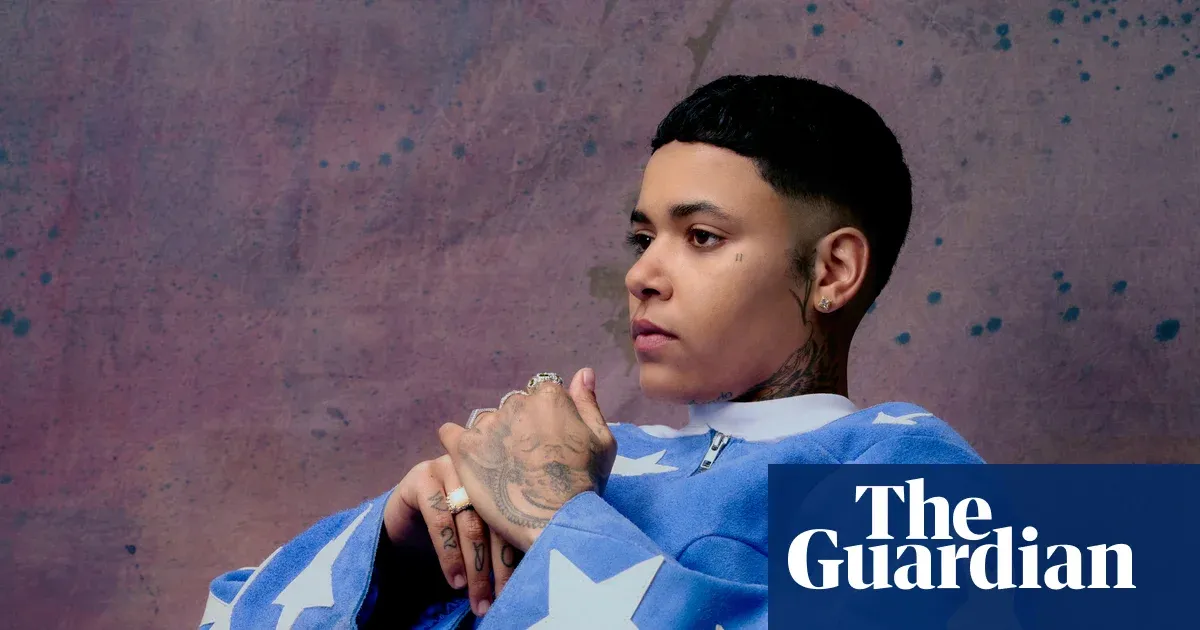
Kwn, the British singer who is credited as K Wilson outside music, was dropped by her label and took work as an Amazon delivery driver in 2024. She then sold her next single, Worst Behaviour, directly to fans for £1.99, reaching sales targets within a week and returning to record label boardrooms.
Kwn, the British singer known as K Wilson outside music, didn’t take a graceful detour from music to “a real job.” After being dropped by her label, she became an Amazon delivery driver in 2024, lasted five months, and says her first day left her “soul-crushing.” Sitting in her van at the end of the shift, she burst into tears. In her words, delivery work is “not for the weak,” and by the time she got home she was “shattered,” adding, “I don’t want to make music. What the fuck am I even gonna write about? Delivering packages?”
That’s the pivot decision executives should notice: Kwn is a creative, but she had to treat her survival like a cash flow problem. When industry interest attempts failed, she and her manager hatched a plan to sell her next single, Worst Behaviour, directly to fans for £1.99. The math was deliberately tight. The target was 500 sales. She expected that would generate about a grand, “enough to keep them afloat temporarily.” Within a week, they exceeded the target tenfold, and “within a few months” she was back in record label boardrooms, with music executives pitching her path to stardom.
This story lands in the middle of a broader music industry tension: labels can be great distribution machines, but they can also be gatekeepers when momentum stalls. The source makes clear that Kwn had momentum early. Only two years before her Amazon shift, she signed a deal and released her debut EP, Episode Wn. Then, the label dropped her, and the ground vanished. That sequence matters, because it shows what happens when the incentive structure changes. When a label ends support, the artist’s “runway” becomes the real constraint. Overnight, the question stops being “Will my next release be a hit?” and becomes “How do I keep the lights on long enough to earn another shot?”
Kwn’s earlier work history also makes the decision feel less like a gimmick and more like a known reality. She has worked night shifts at Sainsbury’s and chopped vegetables with her dad, who is the head chef at the Ivy in London. Those details matter because they frame her as someone used to hourly labor and physical schedules, not someone falling into a hard truth for the first time. The Amazon job was not her first brush with work for money, but it was her first brush with the specific emotional grind of delivery labor, where you are constantly moving, constantly monitored, and still expected to stay upbeat. In the source, the emotional rupture is immediate, and it is tied to identity: she felt she didn’t want to make music anymore, and she questioned what she would write about.
Then came the strategy that turns a personal crisis into an audience advantage: direct sales. By selling Worst Behaviour for £1.99 to fans, Kwn bypassed the gatekeeping she just lost. There is a simple business logic here. Labels typically manage discovery and distribution, but they also control how quickly an artist can respond when interest dips. Direct-to-fan sales compress the time between “I have something to release” and “people can buy it.” That matters when you only have a temporary runway. It also makes performance measurable in near real time: 500 sales was the benchmark, and they blew past it within a week.
From an operator or investor perspective, the second-order implication is boardroom psychology. The source says that after the initial sales signal, Kwn ended up in “record label boardrooms,” listening to executives pitch her path back to stardom. That is not just a personal comeback. It is a signal market at work. Once sales data moves, the conversation shifts from uncertainty to asset positioning. The same artist who was dropped can become a credible investment when the numbers show demand without label sponsorship. In other words, the direct-to-fan mechanism acted like an early traction report, except it was not written by a press team or a platform, it was paid for by fans.
There is also a regulatory and compliance backdrop worth keeping in mind, even if the source does not go deep. Direct consumer sales in the UK and across Europe are shaped by rules around consumer protection, pricing transparency, and digital transaction handling. For a small or independent artist, getting paid reliably, setting pricing, and routing purchases cleanly are part of the operational lift. Kwn’s plan likely depended on infrastructure that can collect £1.99 payments and fulfill access or delivery without friction. The practical point for decision-makers is that “going direct” is not just a marketing choice. It is an execution choice with legal and operational requirements, and it can become a competitive advantage when done well.
Finally, the strategic stakes for other operators and creators are pretty sharp. If you are an exec advising artists, a platform, or even a label team thinking about risk, you should treat Kwn’s timeline as a warning and a playbook. Being dropped can be existential, but the path back is not always a slow, permission-based re-entry. Sometimes it is a short, measurable sprint that turns audience loyalty into cash and demand signals. Kwn’s experience also shows that labor outside music can coexist with creative ambition, but it can also blunt it when the job feels soul-crushing. The successful counter move was not to wait for validation. It was to sell the next release directly, hit the target logic immediately, and force the market to respond.
That’s why this matters beyond one singer. The industry runs on incentives, and when incentives break, people either fold or build a workaround. Kwn built one, quickly, with £1.99 pricing and a sales target that she actually quantified. Then the boardroom doors reopened, not because she asked nicely, but because the demand data showed up first.
This story's Key Insights and Take-aways are locked.
Create a free account to unlock Executive Actions for one credit.
Register to UnlockAlways free for Executives Club members. Join the Club
More in Entertainment

Russell Brand's accuser 'bewildered and confused' as he denies 7 sex charges
The criminal case against the comedian is a live test of how media companies manage talent risk when serious allegations go public.

'It's a Magic Trick': Ballet Experts Say Rosalía's SNL Pose Is Impossible
Three ballet experts tell Rolling Stone Rosalía's gravity-defying SNL stillness shouldn't be possible - and why the debate is now part of the show.

Activision CMO: GTA 6 Will Boost Call of Duty, Not Bury It
Activision's top marketer says Rockstar's blockbuster will drive players back to consoles and into Modern Warfare 4, even as the company admits its recent strategy failed.