
Lara Croft joins Hasbro's G.I. Joe action figures for her 30th anniversary crossover
A surprise franchise mashup puts a 30-year gaming icon into Hasbro's toy universe, with branding ripples beyond collectors.
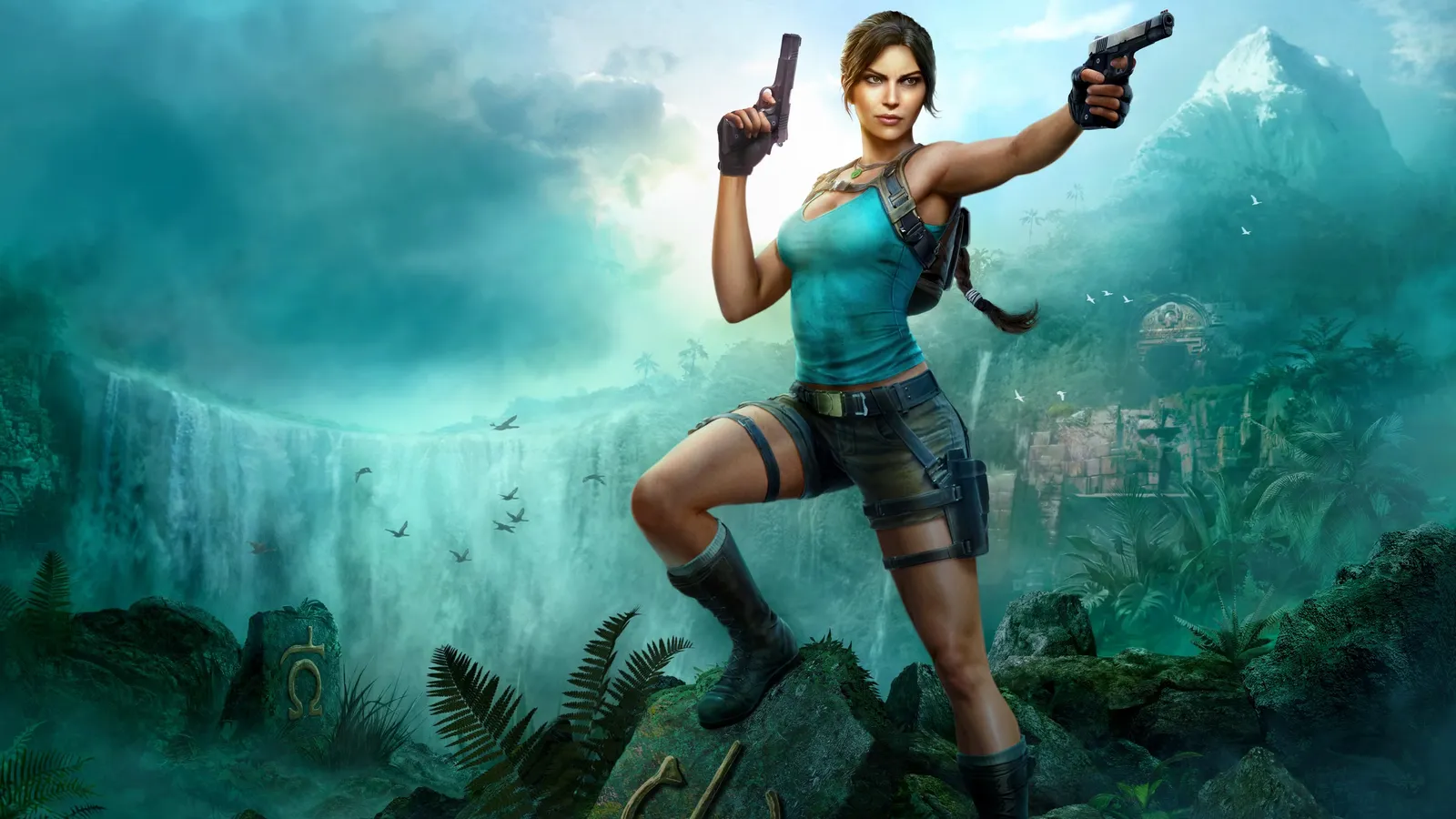
Polygon reports that Tomb Raider's Lara Croft is getting an action figure from Hasbro as part of the character's 30th anniversary. The crossover drops a major gaming IP into Hasbro's G.I. Joe line, giving decision-makers a live example of how legacy characters stay financially relevant.
Lara Croft is officially getting a surprise crossover: Hasbro is producing an action figure for the Tomb Raider character’s 30th anniversary, placing her inside the G.I. Joe action-figure universe. It is not the usual anniversary play of a remaster, a new game mode, or another costume skin. Instead, it is an IP migration move, taking a videogame icon that has fought dinosaurs and gods and translating her into a physical product format with a long-running consumer footprint.
The quick takeaway for anyone thinking about brand durability: Hasbro is treating a gaming milestone as a toy-line event. The Polygon piece makes the core point plainly, Lara Croft is being “immortalized” as an action figure in Hasbro’s G.I. Joe lineup to celebrate the character’s 30th anniversary. That matters because action figures are not just collectibles. They are consumer signals. They tell the market what a company believes is worth stocking, marketing, and licensing again and again.
To understand why this crossover is interesting from a business perspective, it helps to remember how toy and media licensing often works. A toy license is essentially a bet on continued consumer attention. Video game characters can win new fans with releases and seasonal visibility, but they also risk fading between cycles. A 30th anniversary is the opposite of “between cycles” energy. It is a built-in attention spike. By pairing that with G.I. Joe, Hasbro is leaning into a platform that already has distribution muscle, shelf recognition, and an established story-world of its own.
This is also a reminder that IP strategy is increasingly multi-format. The same property can live in games, streaming, publishing, and now toys, each format feeding the others. When a character shows up in a line like G.I. Joe, it can pull in collectors who otherwise would not browse Tomb Raider merch. It can also give lapsed fans a low-friction re-entry into the franchise. Even if the Polygon article is focused on the crossover announcement, the commercial logic is clear: physical products help monetize nostalgia, and nostalgia is a durable form of demand.
From a governance and risk lens, there is another layer worth noting. Toy companies and entertainment brands typically operate with strict standards around character portrayal, marketing claims, and age-appropriate packaging requirements. While the Polygon source does not spell out regulatory details for this specific figure, it is common for action-figure marketing to be governed by consumer protection rules, labeling requirements, and in some cases safety standards. The strategic point for executives is that brand partnerships are not just creative choices. They are compliance-heavy projects that require coordination between licensing teams, product designers, and marketing, all while protecting brand reputations.
Second-order implications show up in how boards and leadership teams measure success. A crossover like this can be evaluated on more than one axis. There is sell-through and pre-order demand for the figure itself. There is also what licensing strategists would call “category expansion,” meaning whether a character brings incremental buyers into a toy line. If Lara Croft performs well in a G.I. Joe context, it can strengthen the case for additional cross-franchise collaborations, because it demonstrates that the overlap between fandoms is not just theoretical.
There is also an industry signaling effect. When Hasbro adds a videogame character to an established action-figure universe, it tells the market that toy lines are staying relevant by absorbing external IP rather than relying solely on internal story worlds. Competitors will notice. So will licensors, because it impacts negotiating leverage. The more proven that a gaming icon can live comfortably in mainstream toy channels, the more bargaining power that icon potentially holds for future partnerships.
For decision-makers in adjacent media, this is the kind of move that changes internal roadmaps. If you are a publisher, an IP owner, or an operator with consumer products ambitions, the question becomes: are you building anniversaries that generate attention, or are you engineering anniversaries that convert that attention into measurable demand? In the Polygon update, the answer is conversion. Lara Croft’s 30th anniversary is not only a celebration. It is a distribution strategy, a licensing statement, and a test of how effectively a legendary gaming character can thrive in a legacy toy brand ecosystem.
This story's Key Insights and Take-aways are locked.
Create a free account to unlock Executive Actions for one credit.
Register to UnlockAlways free for Executives Club members. Join the Club
More in Entertainment

Russell Brand's accuser 'bewildered and confused' as he denies 7 sex charges
The criminal case against the comedian is a live test of how media companies manage talent risk when serious allegations go public.

'It's a Magic Trick': Ballet Experts Say Rosalía's SNL Pose Is Impossible
Three ballet experts tell Rolling Stone Rosalía's gravity-defying SNL stillness shouldn't be possible - and why the debate is now part of the show.

Activision CMO: GTA 6 Will Boost Call of Duty, Not Bury It
Activision's top marketer says Rockstar's blockbuster will drive players back to consoles and into Modern Warfare 4, even as the company admits its recent strategy failed.