
Leaked Microsoft pay data: Cloud+AI stock hits $1.4M, Azure base tops $252K
An internal spreadsheet with nearly 600 submissions reveals how Microsoft pays engineers and researchers across Azure, AI, and Xbox-and what it means for retention.
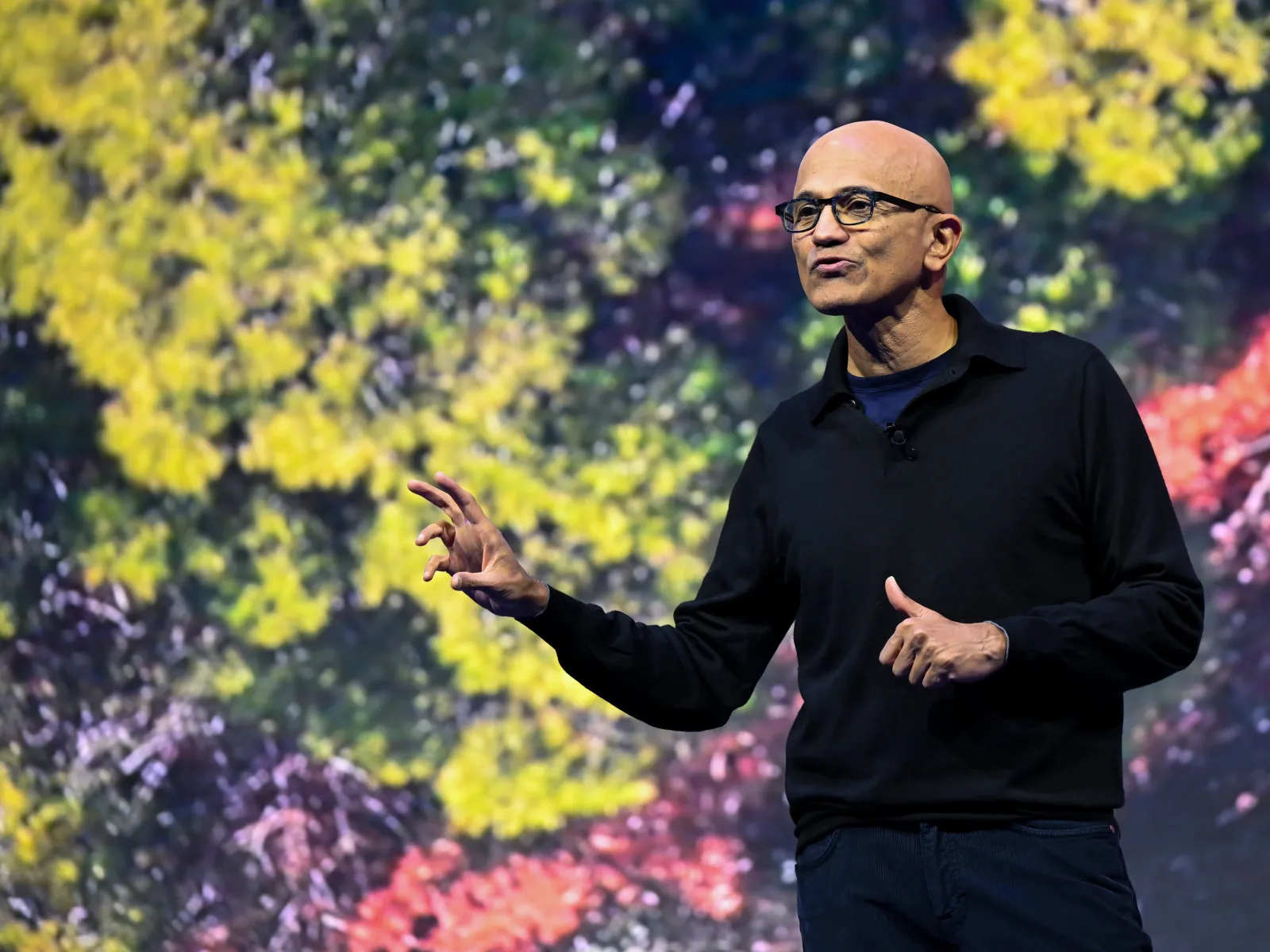
Microsoft employees shared compensation details in an internal spreadsheet, revealing base salaries, raises, and stock awards across teams like Azure and Cloud+AI. The data shows top earners can receive stock packages up to $1.4 million, underscoring how the company is using equity to retain talent in competitive AI and cloud markets.
The numbers are out: Microsoft's internal pay spreadsheet, compiled from nearly 600 employee submissions, shows Cloud+AI stock awards reaching as high as $1.4 million, while Azure base salaries top out at $252,000. The data, viewed by Business Insider, offers a rare, ground-level look at how the tech giant compensates its engineers and researchers in the age of AI-and it reveals a clear strategy: throw equity at the people building the future, even as base pay stays within a relatively narrow band.
But before you read too much into the extremes, consider the caveats. The spreadsheet is self-reported, meaning employees voluntarily shared their numbers-not an official HR document. With Microsoft employing 223,000 people as of June 30, the 600 submissions represent a tiny fraction of the workforce. The data also skews toward lower and mid-level roles, as more senior employees often opt out of such transparency efforts. That means the true top-end compensation-especially for executives and top-tier AI researchers-is likely even higher than what's shown here.
Still, the ranges are instructive. Across all levels (59 through 67), base pay spans from $100,200 to $263,900, with raises typically between 0% and 5%. Cash bonuses range from zero to $300,000, but the real differentiator is stock. At the highest levels, stock awards can dwarf base salary-the $1.4 million figure in Cloud+AI is more than five times the top base pay in that organization. Even in Microsoft AI, the dedicated AI unit, stock awards reach $140,000, while Xbox trails at $65,000. The message is clear: equity is the lever Microsoft pulls to keep its most valuable talent from walking out the door.
This isn't the first time Microsoft's pay practices have been exposed. Last year, Business Insider reported on the company's internal pay guidelines for new hires in engineering and research roles. Those guidelines set expectations for offers, but the current spreadsheet shows what employees actually earn after negotiations, promotions, and retention adjustments. The gap between the two-guidelines versus reality-highlights how competitive the market has become. Microsoft is not just competing with other tech giants like Meta and Google; it's also fighting a growing crop of well-funded startups, plus OpenAI, in which it has invested billions. For a researcher with a hot skill set, a $1.4 million stock package is a serious retention tool.
The timing matters. Microsoft recently cut thousands of employees in a fresh round of layoffs in July, even as it pours billions into AI infrastructure. That juxtaposition-layoffs in some areas, lavish equity in others-reflects a strategic reallocation of resources. The company is betting that AI and cloud computing will drive future growth, and it's willing to pay top dollar for the people who can make that bet pay off. But the transparency movement is spreading. Employees are sharing pay data regardless of company policy, and this spreadsheet is just one example. For executives, the takeaway is that pay secrecy is eroding. If your employees can see what Microsoft offers, they will compare-and they will leave if the gap is too wide.
For boards and compensation committees, the implications are twofold. First, equity grants are no longer just for the C-suite. Mid-level engineers at Microsoft can receive stock awards worth hundreds of thousands of dollars, and that trend is likely to accelerate as AI talent becomes scarcer. Second, the data reveals a potential internal equity problem: the gap between organizations like Cloud+AI and Xbox is stark. If you're a top performer in a less strategic division, you might feel undervalued. Microsoft's own data could fuel internal dissatisfaction, even as it helps the company attract external talent.
What should peers in other tech companies do? Start by benchmarking your own compensation against these numbers. If your top AI researchers are earning less than $1.4 million in total stock over a vesting period, you're at risk. But don't just look at the headline figures-consider the structure. Microsoft's stock awards are likely tied to performance and retention, vesting over multiple years. That's a smart way to lock in talent during a critical transition. Also, recognize that pay transparency is a double-edged sword. While it can help you attract talent by showing you're competitive, it can also expose internal inequities that you'll need to address proactively.
Ultimately, this leaked spreadsheet is more than a curiosity. It's a window into how one of the world's most valuable companies is navigating the AI talent war. Microsoft is using its balance sheet to buy loyalty, and it's working-at least for now. But as the data spreads, employees will demand more, and competitors will adjust. The next round of pay negotiations will be shaped by these numbers, whether you're at Microsoft, a startup, or a legacy tech firm. The question isn't whether you can afford to match these packages; it's whether you can afford not to.
This story's Key Insights and Take-aways are locked.
Create a free account to unlock Executive Actions for one credit.
Register to UnlockAlways free for Executives Club members. Join the Club
More in Business
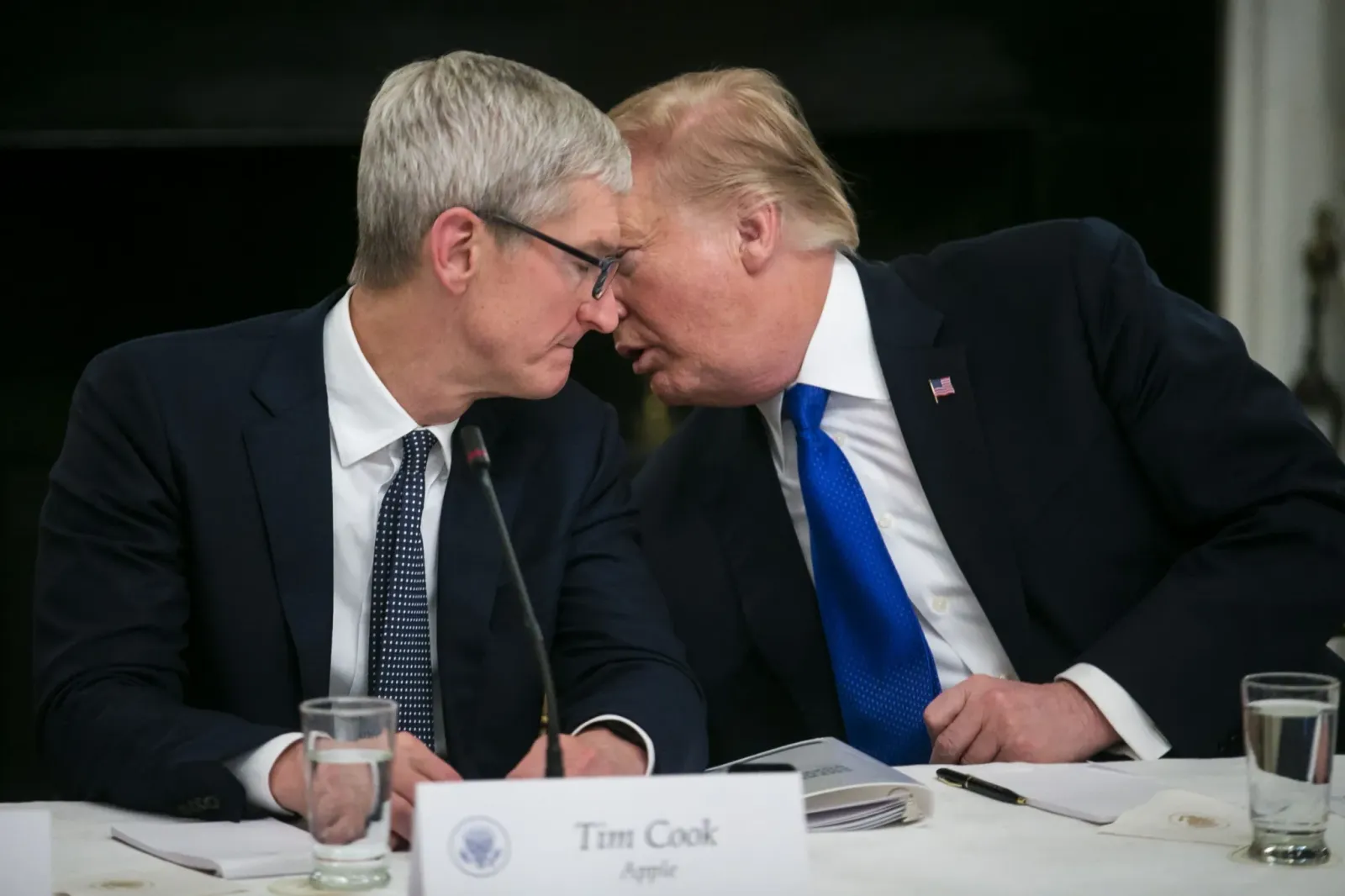
Tim Cook steps down as Apple CEO, stays on as chair with $45M equity
The 'Trump whisperer' keeps his White House and Beijing access as Apple navigates tariffs and a $4.6 trillion market cap.
Snowflake shares surge as AI data demand crushes estimates, lifting full-year forecast
Stocks jumped on stronger-than-expected guidance, signaling enterprise AI workloads are accelerating faster than Wall Street priced in.
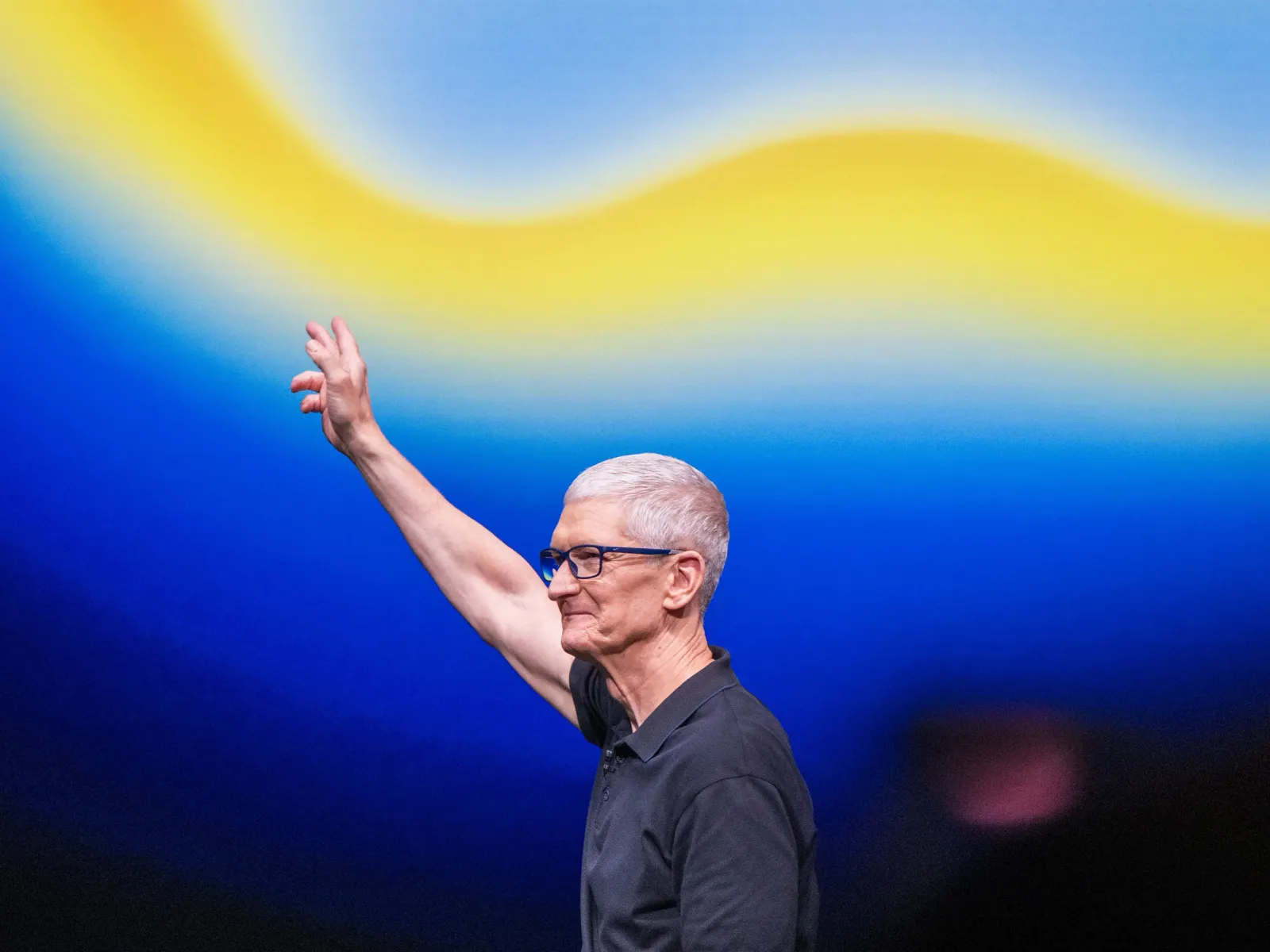
Tim Cook's 15-year Apple CEO run ends: 3 lessons for any successor
After 15 years, Tim Cook hands Apple to John Ternus - here's how he turned a $350B company into a $4.6T juggernaut.