

Lee Raymond ran Exxon Mobil’s takeover spree, then fought climate science until his death at 87
The former CEO shaped Exxon Mobil with acquisitions and cost cuts, while rejecting climate consensus, leaving a governance lesson for boards.
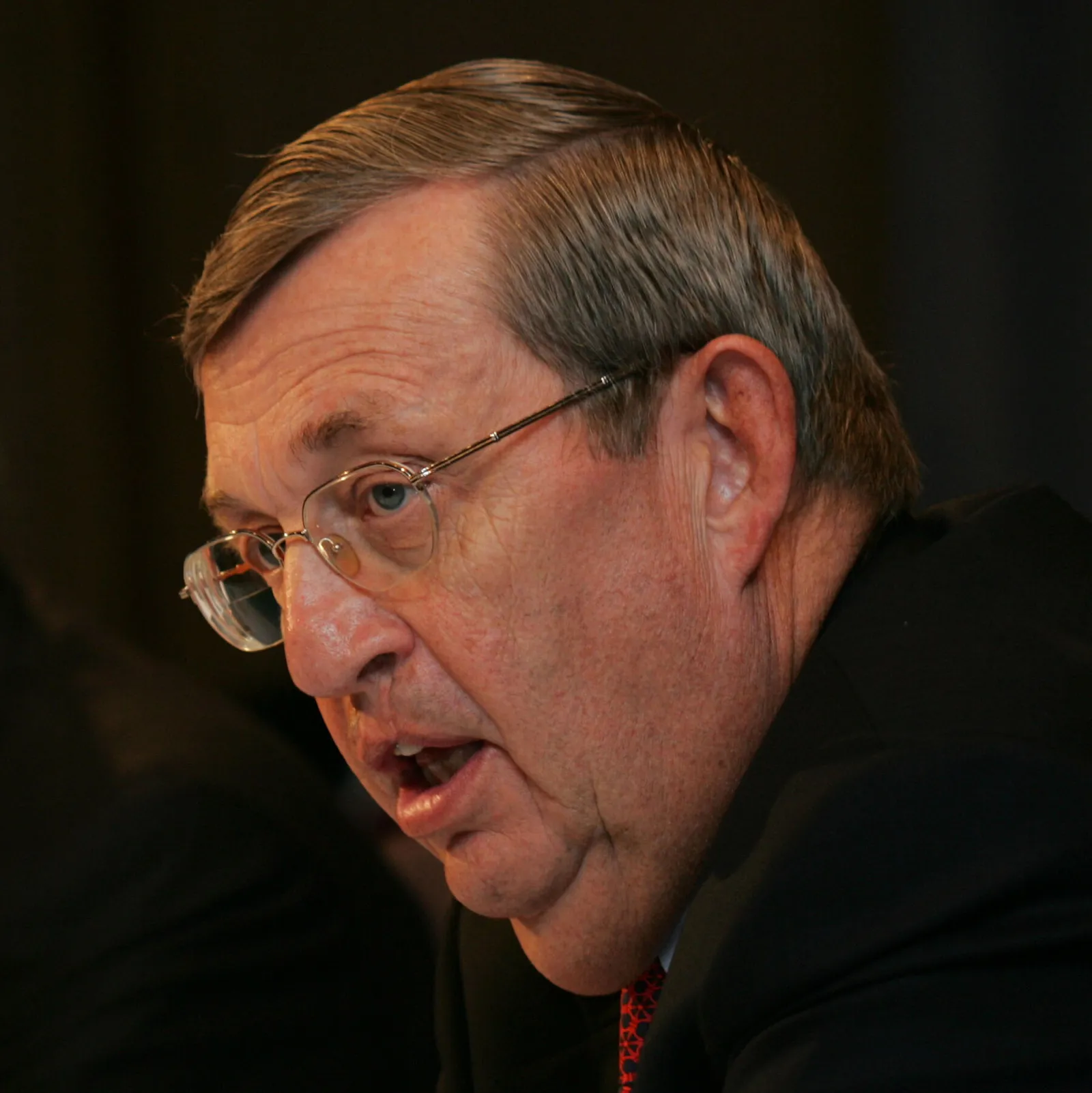
Lee Raymond, the executive who created Exxon Mobil's global oil behemoth, has died at 87. He oversaw Exxon’s acquisition of a rival, cut costs relentlessly, and denied the scientific consensus on climate change.
Lee Raymond, the executive who helped create Exxon Mobil’s global oil behemoth, has died at 87. The arc of his tenure is a case study in how a board and a CEO can simultaneously engineer scale through deals and performance through cost cuts, while also drawing sharp lines on one of the biggest public policy questions of the era: climate change.
According to the account, Raymond oversaw Exxon’s acquisition of a rival, cut costs relentlessly, and denied the scientific consensus on climate change. Each of those choices mattered for the company’s momentum, but together they show something more complicated than “growth plus efficiency.” They show how corporate strategy, investor expectations, and risk framing can diverge so dramatically that the same leadership playbook touches both competitive advantage and reputational or regulatory exposure.
Start with the acquisition piece. In the oil industry, big deals are not just about bigger barrels on a map. They are about controlling infrastructure, integrating upstream and downstream assets, and reshaping how quickly a company can move capital into the most durable parts of its supply chain. When a CEO oversees a rival’s purchase, the board is effectively betting that market power and operational integration will outweigh the risks: antitrust scrutiny, execution challenges, and the cost of absorbing new operations.
Then there is cost cutting. “Relentlessly” is a loaded word, but the idea is plain: in a business with high fixed costs and cyclical pricing, you can protect margins by tightening operations, trimming overhead, and pushing efficiency through the organization. That kind of focus tends to appeal to investors because it produces measurable results, especially when commodity prices are volatile. It also influences internal culture. If success is defined by squeezing waste and hitting targets, teams learn to optimize for near-term outcomes, and that can crowd out longer-term, less quantifiable work.
Now zoom out to the climate denial component. The source says Raymond denied the scientific consensus on climate change. That matters because the climate debate is not only scientific. It is also regulatory, legal, and financial. Governments decide whether and how to regulate emissions, and markets decide whether climate policy risk is priced into assets. Even when a company believes the science or conclusions are wrong, the policy environment can still change. Denying a consensus does not stop regulation; it can determine how prepared a company is to respond to it, from lobbying strategy to reporting posture to investment timing.
This is where second-order implications show up for decision-makers. When leadership pairs aggressive acquisition strategy with relentless cost cutting, it can look like operational discipline. But when the same leadership also denies climate science, the board effectively signals a particular hierarchy of risks: competitive and cost risks first, climate and policy risks treated as less authoritative. That kind of prioritization can affect everything from capital allocation to how aggressively executives stress-test future compliance scenarios.
For boards, the lesson is not that every executive who ran acquisitions and cut costs “got it wrong.” The lesson is that strategy is a bundle. An acquisition can amplify operational leverage. Cost cutting can improve cash flow. But the way leadership frames climate science can change how the company navigates regulatory uncertainty. Over time, that framing can influence investor trust, litigation exposure, and how regulators interpret corporate intent.
Exxon Mobil’s story, as summarized here, is therefore less about one man and more about the governance system around him. Raymond’s decisions were big and visible: acquisition oversight, persistent cost reductions, and denial of climate consensus. The stakes for peers in similar roles are equally big: when the world’s largest emissions policies and reporting standards move from “debate” to “enforcement,” the companies that treated the issue as settled earlier may have less whiplash. The companies that treated it as unknowable may face sharper adjustments later, even if they were otherwise excellent at running the business.
This story's Key Insights and Take-aways are locked.
Create a free account to unlock Executive Actions for one credit.
Register to UnlockAlways free for Executives Club members. Join the Club
More in Business

Anthropic’s Levant Alpöge cracks the Jacobian conjecture after 87 years
A Harvard valedictorian used Claude to hit a 1939 breakthrough, but the missing “why” is the real problem.

Uber buys Delivery Hero for nearly $15B, vaulting to top food delivery outside China
The deal doubles Uber's dual-services footprint and pushes a ride-and-eats bundling play into 50 more markets.

Epic and Google drop settlement bid, forcing rival Android app stores by July 22
Google told the court it is ready to carry third-party app stores starting Wednesday, July 22.