

LEGO drops 5 Olivia Rodrigo sets, including minifigures, starting a new toy-pop playbook
The Grammy-winning singer gets LEGO minifigures as five Olivia Rodrigo building sets go on sale, signaling how IP partnership value is shifting.
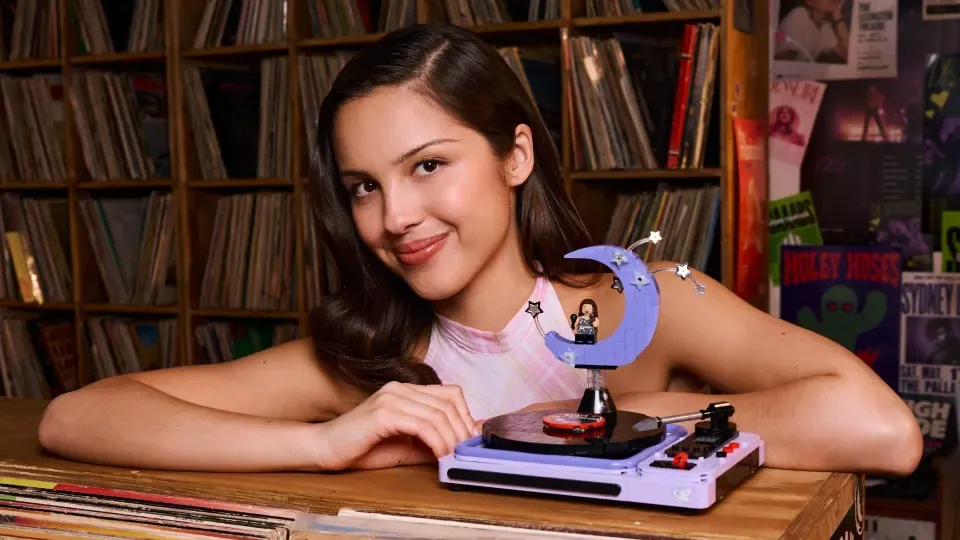
LEGO is releasing five new Olivia Rodrigo building sets, including minifigures of the Grammy-winning singer-musician. The on-sale rollout matters for decision-makers because it shows how consumer brands monetize celebrity IP across both product and fandom ecosystems.
LEGO is releasing five new Olivia Rodrigo building sets, and the pitch is as specific as it gets: the line includes minifigures of the Grammy-winning singer-musician Olivia Rodrigo. The sets go on sale now, and they are built for the intersection of two mega-categories that rarely blend this directly in one SKU family: toys and pop fandom.
For executives, the headline value is the “five.” LEGO is not dabbling in an accessory-sized cameo here, it is launching a full set of product variants under one recognizable entertainment brand. When a company puts out multiple versions of a themed line in one collaboration, it is making a bet about sustained demand, not a one-week marketing burst. The minifigures matter too, because LEGO does not just sell a story, it sells a collectible representation that can travel from display shelf to play pattern, and back again. That is how these collaborations typically stretch beyond the initial hype window.
Stepping back, this kind of partnership is part of a broader consumer IP strategy. Celebrity collaborations can function like a distribution channel for attention. Fans who might not usually buy LEGO can walk in through the Olivia Rodrigo door, then discover the LEGO building experience once they are already in the store or on the site. Meanwhile, existing LEGO collectors get a “reason to add,” which helps protect demand from the normal seasonality swings that hit general toy lines.
There is also a brand safety angle that decision-makers care about, even when the source is light on details. LEGO’s reputation has been built on family-friendly play and carefully managed themes. Collaborations with major entertainment figures provide instant recognition, but they also require that the product packaging, character design, and messaging land within the brand’s boundaries. The fact that LEGO is attaching Olivia Rodrigo’s image in minifigure form suggests that the company is confident the collaboration can be executed in a way that fits LEGO’s tone and audience expectations.
From a go-to-market perspective, five sets gives LEGO more surface area to capture different shopper intents. Some customers want a single display piece. Others chase the “complete the collection” feeling. LEGO’s catalog design often supports both behaviors, and collaborations are built to take advantage of that. More than that, minifigures are an emotional shortcut. In toy economics, convenience beats complexity. A minifigure is easy to recognize, easy to gift, and easy to justify as a “small” purchase even when it sits inside a larger spend plan.
Now layer in second-order implications. When LEGO partners with a chart-topping artist, it is not just selling bricks. It is helping define what “collaboration value” looks like for the next wave of licensing deals across toys, apparel, collectibles, and games. If consumers respond well to a multi-set rollout that includes minifigures of the celebrity themselves, that can become the template for future partnerships. And if the collaboration proves popular, it changes the negotiation dynamics for other IP holders. Brands and talent teams tend to ask for more control, more promotional integration, or more favorable terms once they see a large consumer brand translate attention into tangible products.
For peers managing boards and product portfolios, the strategic stakes are straightforward. LEGO’s move shows that IP is not just a marketing overlay. It can be a product category driver, a collector engine, and a fandom funnel. The sets going on sale is the immediate signal, but the bigger question for decision-makers is what it implies about future roadmap priorities: how quickly companies will chase celebrity partnerships, and how deeply they will embed those partners into the core assortment rather than treating them as limited-time novelty.
In a market where attention is expensive and differentiation is hard, LEGO is betting that it can turn a pop star moment into multiple tangible buying moments. Olivia Rodrigo’s five new LEGO building sets, including minifigures of the Grammy-winning singer-musician, are the clear proof point that the toy industry is still very much in the business of turning culture into products people actually want to build, display, and keep.
This story's Key Insights and Take-aways are locked.
Create a free account to unlock Executive Actions for one credit.
Register to UnlockAlways free for Executives Club members. Join the Club
More in Entertainment

'It's a Magic Trick': Ballet Experts Say Rosalía's SNL Pose Is Impossible
Three ballet experts tell Rolling Stone Rosalía's gravity-defying SNL stillness shouldn't be possible - and why the debate is now part of the show.

Activision CMO: GTA 6 Will Boost Call of Duty, Not Bury It
Activision's top marketer says Rockstar's blockbuster will drive players back to consoles and into Modern Warfare 4, even as the company admits its recent strategy failed.

Justice to Score GTA 6, Share New Song with Tame Impala, SZA, King Gizzard
Rockstar taps the French duo for the GTA VI score, and the first taste is a genre-melting collab with Tame Impala, SZA, and King Gizzard & The Lizard Wizard.