
Likang Life Sciences breaks ground on AI vaccine production line in Beijing
A new Likang Life Sciences drug research and manufacturing center in Beijing aims to scale AI-assisted personalised tumour vaccines by October.
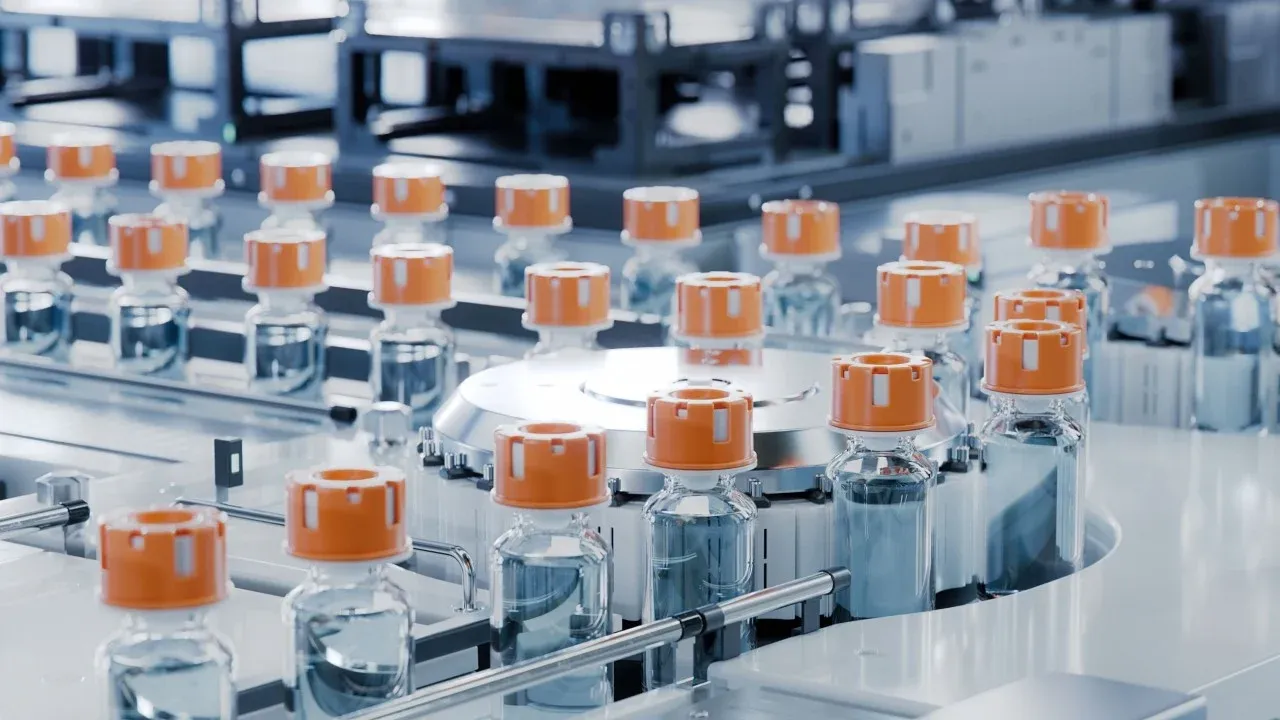
Likang Life Sciences, a Beijing-based company, has broken ground on what developers call China’s first production line for AI-assisted personalised tumour vaccines. The build, expected to complete by October at a cost of about 110 million yuan (US$16.1 million), targets a disease that ranks as China’s second-leading cause of death.
China has broken ground on what developers say is the country’s first production line for AI-assisted personalised tumour vaccines, and it is being built for a very specific kind of promise: turning personalised cancer treatment from a science project into repeatable manufacturing. The target disease is not minor. The source notes cancer ranks as China’s second-leading cause of death, which is exactly why any step toward scaling new therapies carries outsized stakes for patients and, indirectly, for every company eyeing oncology manufacturing capacity.
The operational clock starts in Beijing. By October, Beijing-based Likang Life Sciences is expected to complete a new drug research and manufacturing centre in the Beijing Economic and Technological Development Zone. The total investment is about 110 million yuan, which the source also cites as US$16.1 million. That combination matters for executives because it is not just “AI for health” as a concept. It is an attempt to industrialise the pipeline: research and manufacturing under one roof, with a production line designed around AI-assisted personalised tumour vaccines.
To understand why this is a big deal, you have to separate two different things that often get conflated in healthcare news. There is the discovery side, where algorithms may help identify patterns in tumour biology. Then there is the production side, where timelines, quality control, supply chain reliability, and batch consistency determine whether patients can actually access the therapy. The source’s emphasis on a “production line” signals that Likang is aiming squarely at the second side. A production line is the difference between a pilot that works sometimes and a system that can run at a scale that meaningfully changes outcomes.
The location also hints at how companies in China think about speed and execution. The Beijing Economic and Technological Development Zone is a development-focused geography, typically associated with infrastructure and industrial support designed to attract and concentrate firms doing applied manufacturing. Building a combined drug research and manufacturing centre there suggests Likang is trying to shorten the path from development to production. For boards and investors, that is the kind of operational thesis that can reduce execution risk relative to companies that build only lab capability and then scramble later for manufacturing capacity.
From a regulatory and governance perspective, AI-assisted personalised therapies sit in a space where oversight has to cover not only the medicine, but also the data and processes behind personalisation. Even without the source quoting regulators, the implication is straightforward: production in a new facility means the company will need to align its manufacturing practices with the standards expected for drugs. The source does not specify which approvals are already in place, nor does it list trial results or filing milestones. What it does provide is the intent and timeline for the facility itself, which is often a prerequisite step before larger-scale commercialisation can happen.
There is also a competitive angle. If developers are correct that this is China’s first production line of its kind, it changes the competitive map. Early facilities can become process benchmarks. They can also attract partnerships from hospitals, diagnostic providers, and therapy developers who want dependable access to a manufacturing pathway designed for AI-assisted personalisation. That is the second-order effect executives should notice: sometimes the biggest advantage is not the algorithm. It is the ability to run the workflow repeatedly, with consistent manufacturing and predictable turnaround.
Finally, there is the patient and market stakes. The source ties the project to the reality that cancer is the nation’s second-leading cause of death. That establishes the “why now” pressure behind oncology innovation in general. For decision-makers watching this space, the relevant question is less “Is AI in cancer vaccines real?” and more “Who can scale production without compromising quality?” The Likang build by October, backed by an investment of about 110 million yuan (US$16.1 million), is a concrete attempt to move that question from hope to infrastructure. If it lands, it could set expectations for how personalised oncology manufacturing is built in China, and it could raise the bar for anyone claiming they can bring personalised therapies to millions of patients each year.
This story's Key Insights and Take-aways are locked.
Create a free account to unlock Executive Actions for one credit.
Register to UnlockAlways free for Executives Club members. Join the Club
More in Business

A flaw in PHP just forced governments to pull their own sites offline
European agencies from Belgium to Germany took websites dark to patch a critical weakness in the language behind almost 70% of the web, and the blast radius extends far beyond government portals.

BioWare shuts down, Mass Effect 5 dead after $55B EA buyout
The legendary RPG studio's closure lands months after a $55 billion investment group buyout of EA, raising tough questions for gaming's biggest acquirers.
Musk barred from the room as Tesla, SpaceX boards weigh $3.5 trillion merger
The CEO of both companies is a 'conflicted party' watching independent directors negotiate a tie-up that would create a $3.5 trillion giant he would own about a third of.