
Little Rascals star Blake Collins says mismanaged child-star money left him at McDonald’s
Collins and Jordan Warkol describe how “money doesn’t get always handled very well” after child stardom.
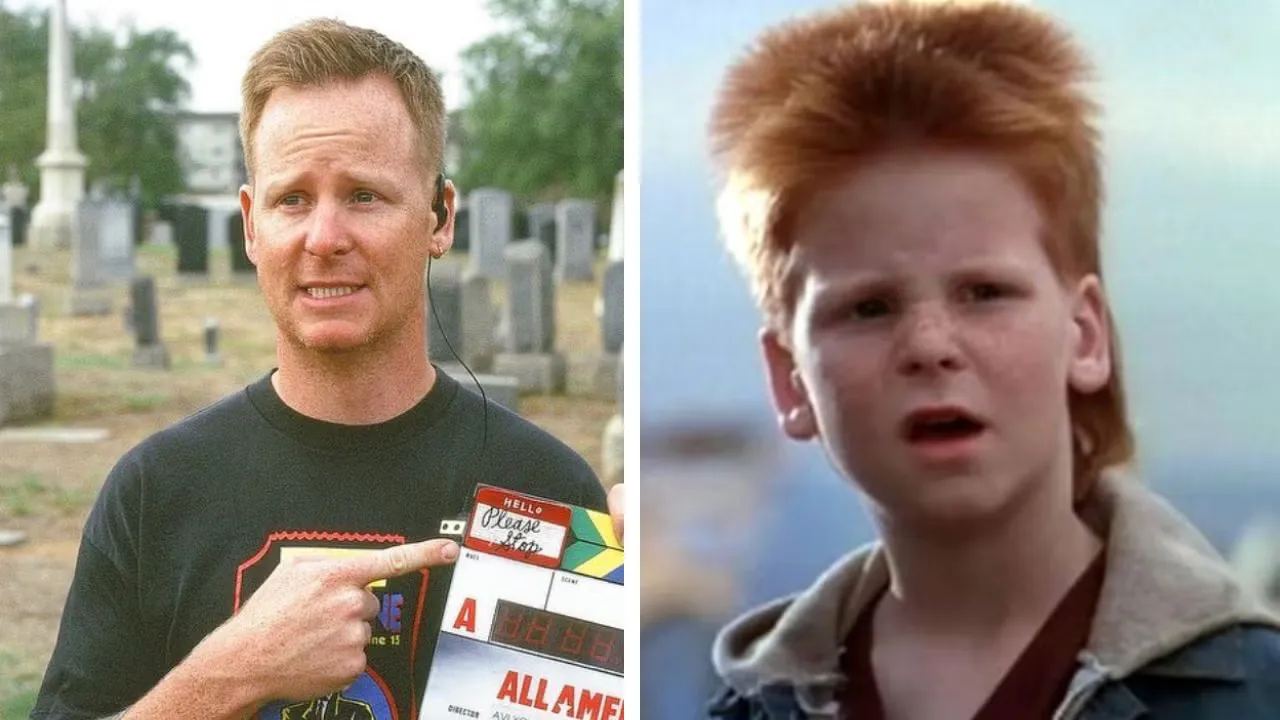
Blake Collins, who played Woim in the 1994 film The Little Rascals, says financial realities pushed him to work at McDonald’s in high school, alongside Jordan Warkol’s broader warnings about child-actor money. Their podcast, started this year, turns those lived experiences into a repeatable lesson for parents, boards, and studios about incentives and oversight.
Blake Collins, the Little Rascals star who played Woim, did not just “arrive” as a kid. By high school, he ended up working at McDonald’s. In an interview with People published Friday, Collins explained that people recognized him constantly from the film, making the cash register life both familiar and awkward. He described the moment like this: someone would order, then notice him, ask if he was in The Little Rascals, and then follow with the obvious question, “Now you work at McDonald’s?” Collins’ point was simple, and it is the hook behind the story: even with child fame, the money may not show up the way it should.
Collins framed that mismatch in direct terms when he and co-star Jordan Warkol talked about their post-child-stardom years. The two, both of whom appeared in the 1994 blockbuster, started a podcast together this year. In their conversations, they unpack the realities of early success and what often happens to earnings when kids enter show business before they have leverage, experience, or control. Collins’ takeaway is that many former child actors “got nothing” from their years working because their money was often mismanaged. “Unfortunately, which is a common story with a lot of child actors, the money doesn’t get always handled very well,” he said. He also described the pattern they hear from others: parents handling money poorly or even stealing it, alongside the less common “great stories” where someone “got every dime.”
To understand why Collins’ McDonald’s story lands, it helps to remember how child stardom typically works: kids can earn early, sometimes from commercials and scripted work, while adults manage the process. Collins himself offers a specific timeline. He played Woim, the sidekick of Butch the bully, when he was 7 years old. After that, he appeared in 150 national commercials in the 1990s. So the “how is this possible?” feeling is real. The money existed in the ecosystem. The question, Collins’ experience suggests, was what happened after it arrived.
There is also a personal reason he connects his exit from acting to control. Collins said he left his acting career before high school because he wanted a “normal” relationship with his mother. He described their dynamic growing up as a “manager/employee relationship.” That detail matters for decision-makers because it points to a common tension in entertainment careers: the people closest to the child are often also positioned as gatekeepers for money, schedule, and opportunities. Even when everyone is acting in good faith, unclear boundaries and concentrated control can create exactly the kind of outcome Collins described, where earnings do not translate into stability.
At 41, Collins is now working behind the scenes doing camerawork on sets, which signals something else beyond the headlines: the skills can transfer, even if the original deal with fame did not. Warkol’s path is different but equally revealing about second-order outcomes. Warkol has left the entertainment industry almost completely and works in business development at OTTera, a global content distribution marketplace that connects media publishers with major platforms like Roku and Samsung TV Plus. The contrast is not just lifestyle. It is about where value accumulates after the spotlight fades, and whether a former child performer gets enough runway, options, or ownership of future upside.
For executives and governance-minded readers, Collins and Warkol’s podcast frames a problem that is easy to discuss and harder to solve: child actors can be exposed to complex financial systems without the safeguards that adults can demand. When Collins says the money does not “get always handled very well,” he is not offering a theory. He is describing a recurring story they hear, including cases where parents allegedly stole money outright. Even without getting into regulatory mechanics in the source, the implication is clear for anyone overseeing talent, production finances, or family-facing compensation structures: oversight cannot be informal, and it cannot rely on trust alone. Boards, studios, and production companies should treat child-actor compensation as a high-risk fiduciary area, not a box-checking process.
The strategic stake here is broader than entertainment nostalgia. If audiences reward content, markets keep producing it. But if the people who become the face of that content are economically harmed, the industry pays twice: first in human outcomes, then in reputational and legal risk. Collins and Warkol’s lived examples put pressure on the grown-up systems that sit between child labor and adult money. For media operators, investors in talent ecosystems, and anyone building platforms that touch creators, the question becomes unavoidable: when the spotlight moves on, do the contracts and controls move with it? Or does the value vanish into mismanagement before the kid ever has a chance to ask why it happened.
This story's Key Insights and Take-aways are locked.
Create a free account to unlock Executive Actions for one credit.
Register to UnlockAlways free for Executives Club members. Join the Club
More in Entertainment

'It's a Magic Trick': Ballet Experts Say Rosalía's SNL Pose Is Impossible
Three ballet experts tell Rolling Stone Rosalía's gravity-defying SNL stillness shouldn't be possible - and why the debate is now part of the show.

Activision CMO: GTA 6 Will Boost Call of Duty, Not Bury It
Activision's top marketer says Rockstar's blockbuster will drive players back to consoles and into Modern Warfare 4, even as the company admits its recent strategy failed.

Justice to Score GTA 6, Share New Song with Tame Impala, SZA, King Gizzard
Rockstar taps the French duo for the GTA VI score, and the first taste is a genre-melting collab with Tame Impala, SZA, and King Gizzard & The Lizard Wizard.