
Lord of the Rings returns September 2026 with Realms of the South
A new LOTR chapter is officially coming in September 2026, pushing the franchise deeper into Gondor and Rohan.
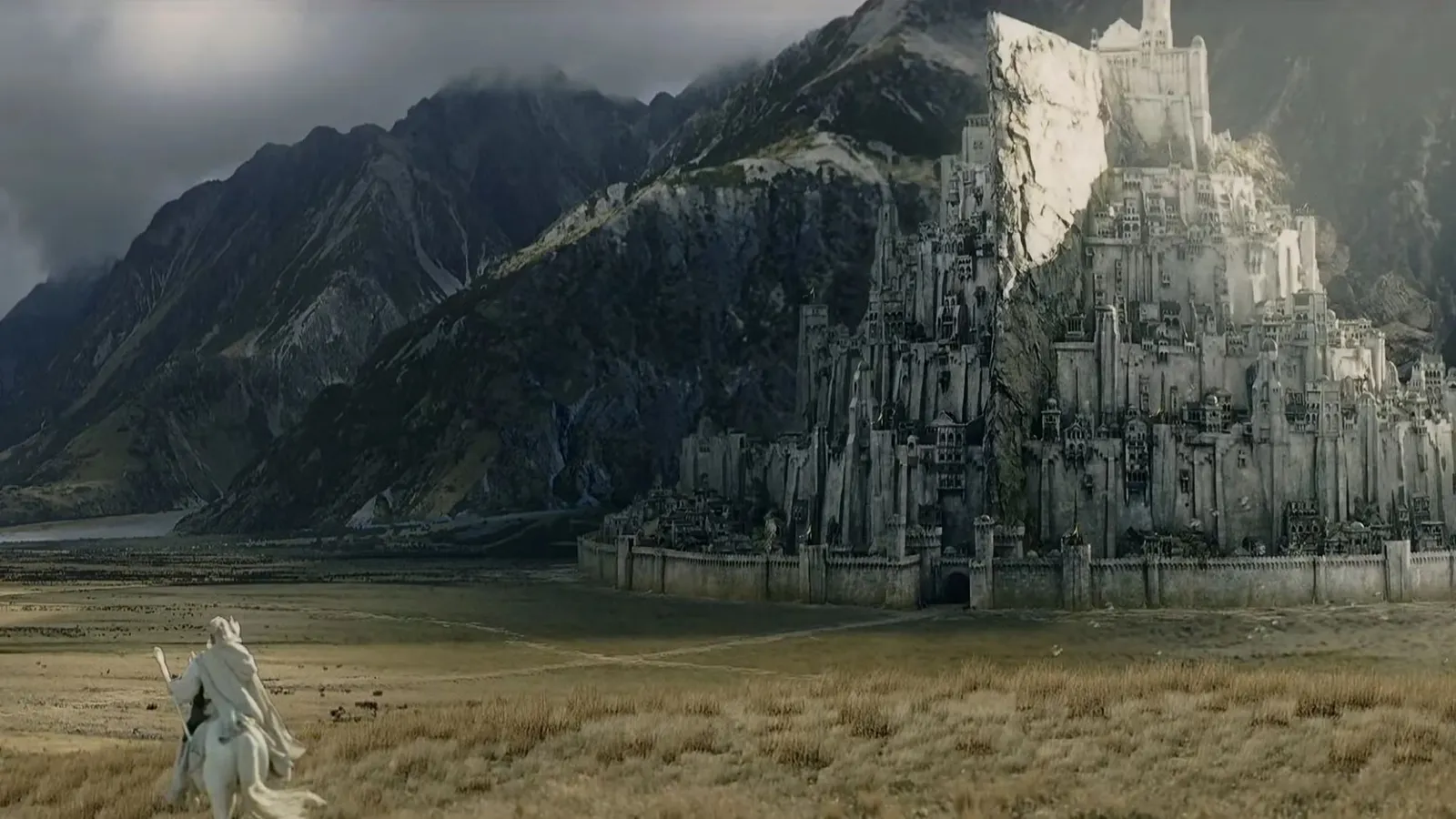
Lord of the Rings officially returns in September 2026 with Realms of the South, sending the story into Gondor and Rohan. For decision-makers, the announcement signals renewed franchise momentum and more content calendar pressure across fantasy entertainment.
The Lord of the Rings franchise is officially back in a major way. ScreenRant reports that Realms of the South is coming in September 2026, taking fans into the lands of Gondor and Rohan for a new adventure. That date matters. In entertainment, a two-year runway is not just marketing. It is capacity planning, talent scheduling, budgets, and a whole lot of “what are we showing instead?” decisions made long before the cameras start rolling.
And this is happening in the middle of a very real LOTR resurgence, not in a vacuum. ScreenRant points to Amazon's Rings of Power as part of the modern wave, plus The War of the Rohirrim anime film. On top of that, the outlet also notes upcoming projects including Andy Serkis's The Hunt for Gollum and Stephen Colbert's Shadows of the Past. Taken together, the message is clear: the franchise is no longer a single product line. It is becoming a multi-lane ecosystem that keeps rotating IP attention, audience expectations, and spending priorities. If you are running a studio, streaming platform, or content strategy team, this is the kind of calendar crowding that forces sharper choices.
Realms of the South is not just “another LOTR thing.” The title’s geographic focus matters: Gondor and Rohan are core to the mythos, and ScreenRant explicitly frames the new adventure as taking fans into those lands. That matters commercially because familiar settings help reduce consumer friction. Audiences know what they are opting into, even if the specific story is new. From an operational standpoint, familiar worlds can also speed up internal approvals. You still have to build costumes, sets, visual language, and story rules, but you are drawing from an established universe instead of inventing one from scratch.
There is also a bigger strategic context: when a legacy fantasy property expands its slate across live-action, animation, and streamer-style serialized storytelling, it changes how audiences allocate attention. It is not only about the next release. It is about narrative habit. When people start bingeing one LOTR-adjacent title, they become primed for another. That creates a kind of content momentum loop. ScreenRant underscores that lively and exciting period, tying it to both current and upcoming LOTR projects. For decision-makers, that momentum can either be a tailwind or a competitive threat, depending on where your pipeline sits.
Now, let's talk incentives and board-level dynamics, because these slate announcements are rarely casual. A franchise like this typically functions as a balancing act: it funds itself through brand strength while de-risking creative experimentation. But at the same time, it can create internal pressure. Teams across production, marketing, partnerships, and distribution are forced to coordinate around a long-horizon release date like September 2026. That affects everything from hiring and contractor timelines to post-production capacity and even marketing spend smoothing across quarters. If your organization is evaluating investments in fantasy IP, Realms of the South adds a data point. It suggests the market is still willing to fund deep IP universes, and producers are still finding ways to keep the well from drying up.
Regulatory framing and risk management also creep into the background, even when the headline does not mention it. For any major film and television rollout, especially in a global IP like LOTR, planning includes compliance considerations: content standards, distribution rules by region, and the practical realities of release windows across platforms. ScreenRant does not provide specific regulatory details for Realms of the South, but the second-order implication is straightforward. Longer lead times mean more room to satisfy regional requirements, and more time to build localization plans into the production schedule.
Second-order implications get interesting when you zoom out to the competitive set. ScreenRant lists a range of LOTR-adjacent releases and projects, including Rings of Power, The War of the Rohirrim, Andy Serkis's The Hunt for Gollum, and Stephen Colbert's Shadows of the Past. When you have multiple projects from different creative teams moving at once, competitive positioning shifts from “Will we have the best story?” to “Will we release in a way that our audience can actually absorb?” That is a scheduling and positioning problem as much as a creative one. Realms of the South entering the slate in September 2026 is part of that broader competitive chessboard.
So what should executives take from this? If you are leading content strategy, your job is to translate cultural momentum into resource allocation. Realms of the South confirms September 2026 as a concrete date for a major LOTR entry, centered on Gondor and Rohan. In practice, that means you should expect intensified franchise mindshare leading up to release, more audience expectation-setting, and potentially more pressure on other fantasy titles competing for late-2026 attention. The franchise is not just returning. It is building a longer runway for itself, and the rest of the market has to respond accordingly.
This story's Key Insights and Take-aways are locked.
Create a free account to unlock Executive Actions for one credit.
Register to UnlockAlways free for Executives Club members. Join the Club
More in Entertainment

'It's a Magic Trick': Ballet Experts Say Rosalía's SNL Pose Is Impossible
Three ballet experts tell Rolling Stone Rosalía's gravity-defying SNL stillness shouldn't be possible - and why the debate is now part of the show.

Activision CMO: GTA 6 Will Boost Call of Duty, Not Bury It
Activision's top marketer says Rockstar's blockbuster will drive players back to consoles and into Modern Warfare 4, even as the company admits its recent strategy failed.
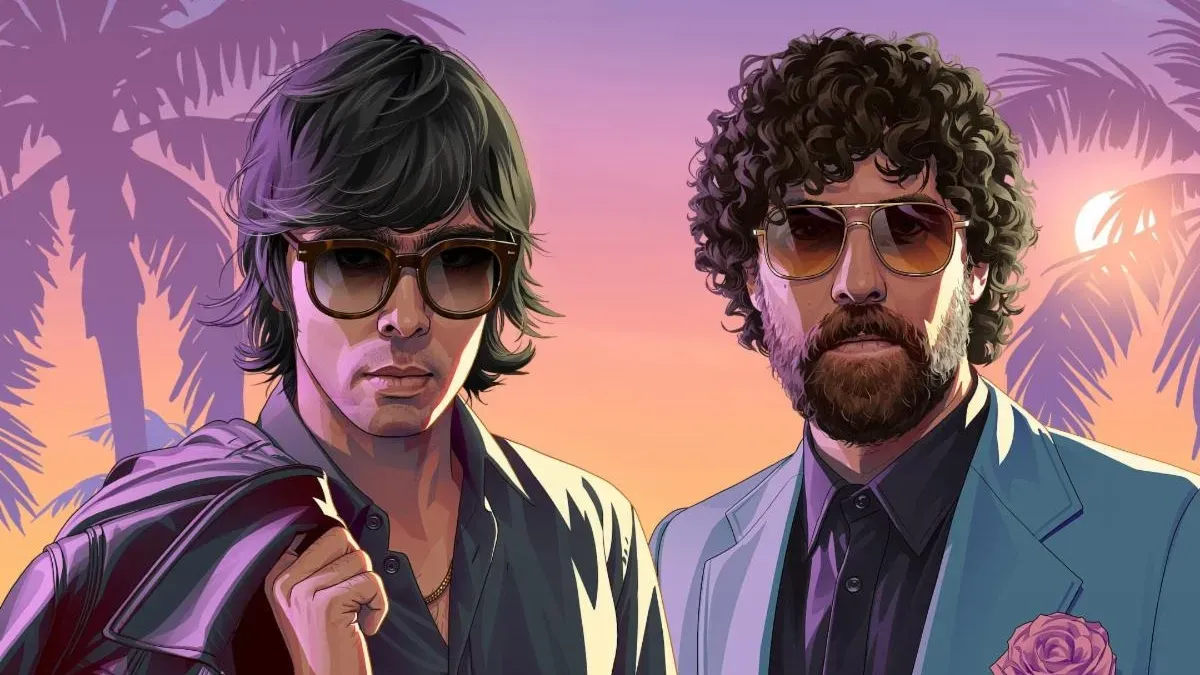
Justice to Score GTA 6, Share New Song with Tame Impala, SZA, King Gizzard
Rockstar taps the French duo for the GTA VI score, and the first taste is a genre-melting collab with Tame Impala, SZA, and King Gizzard & The Lizard Wizard.