

Lukas Walton buys Bulls and United Center minority stake, extending Walmart-family sports reach
The 39-year-old Walmart heir, with wife Samantha in Chicago, adds a minority position in Chicago’s NBA and arena ecosystem.
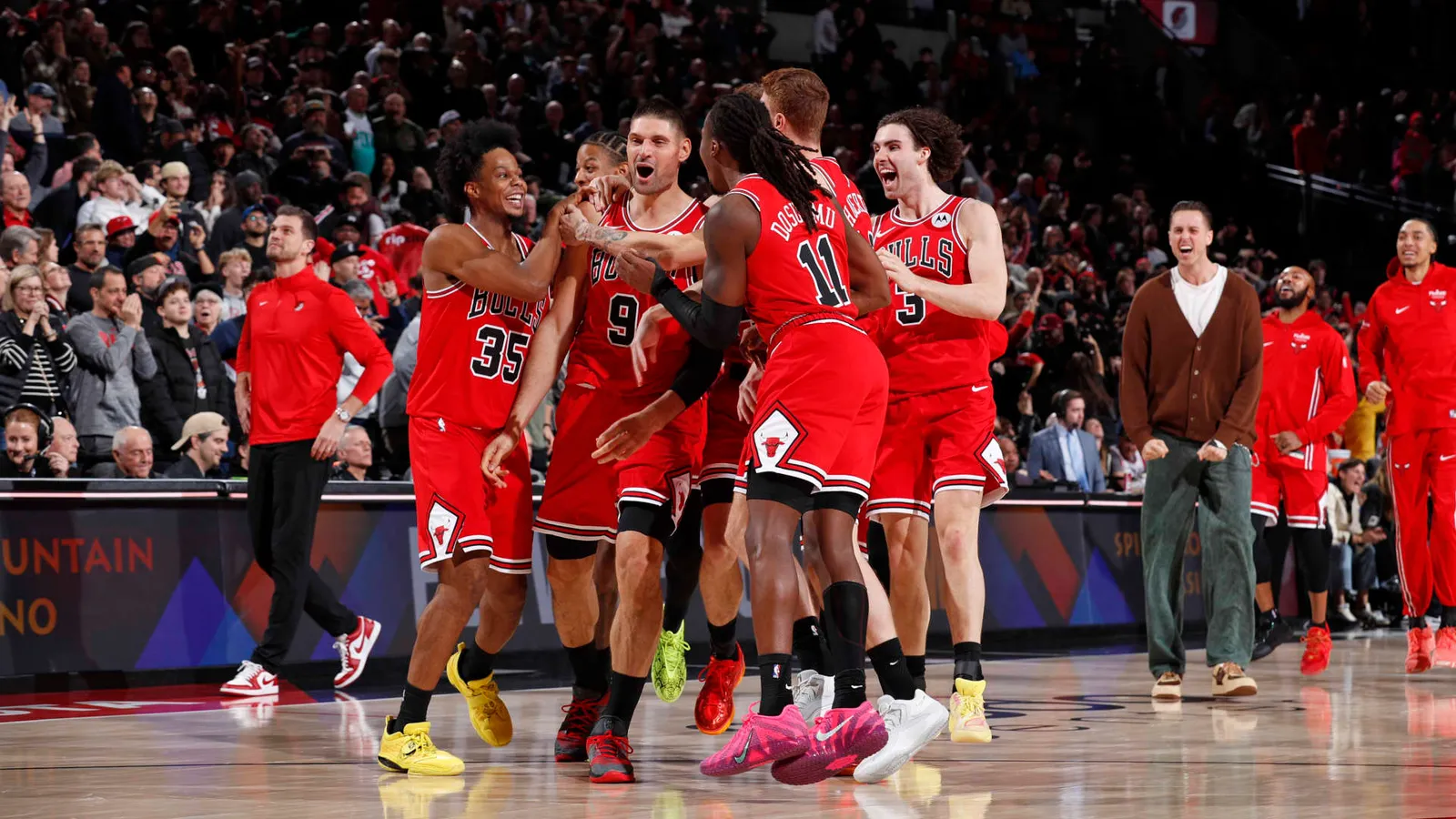
Lukas Walton, the 39-year-old grandson of Walmart founder Sam Walton, is buying a minority stake in the Chicago Bulls and the United Center. For decision-makers, the move is a reminder that legacy retail capital is increasingly treating sports as a long-duration asset platform.
Lukas Walton is not just another Chicago supporter. The 39-year-old grandson of Walmart founder Sam Walton is buying a minority stake in the Chicago Bulls and the United Center, and he and his wife Samantha are residents of Chicago. That combination matters, because minority ownership is rarely a casual hobby in pro sports. It is usually a signal about where an individual believes money, influence, and long-term brand value are headed.
In this case, the headline stake is straightforward: Walton is purchasing a minority position in both the Bulls and the United Center. Even without getting into deal specifics beyond what is reported, the structure tells a clear story for the executive audience. These are not separate worlds. The team is the on-court product, while the arena is the physical and commercial engine that turns events into revenue and attention. When one person chooses both, they are backing the loop, not just the highlight reel.
For a broader market lens, this is a familiar pattern in elite sports: ownership groups try to pair sporting value with venue-backed economics. Ticketing, premium seating, sponsorship inventory, event scheduling, and brand visibility are tightly coupled to the arena. Teams can win or lose; venues keep hosting. When an outside investor takes a minority stake across that ecosystem, they are effectively buying exposure to both the team’s trajectory and the venue’s continued utility.
Walton’s background also brings an angle that executives will recognize. As the grandson of Walmart founder Sam Walton, he inherits a retail-family investment tradition built around operating discipline and long-duration thinking. Walmart itself is famously associated with scale, supply chain muscle, and relentless attention to customer demand. Sports businesses are different in execution, but not necessarily in the underlying math: sustained demand, repeatable merchandising, sponsor relationships, and an ability to monetize culture over time.
Another reason this move is interesting is that minority stakes can be strategically cleaner than full control. Majority owners tend to carry the highest governance burden, including the most visible responsibility for coaching decisions, roster direction, and major capital commitments. Minority investors often aim for influence without full operational takeover. That can make governance negotiations and board dynamics especially sensitive. The goal is typically alignment: ensure the investment thesis is not undermined by decisions that look good on social media but hurt the franchise’s commercial fundamentals.
There is also a regulatory and legal context worth keeping in mind, even when the source does not provide deal mechanics. Sports ownership, particularly in major leagues, typically comes with league standards and vetting processes around ownership eligibility, financial credibility, and fit. Arena-related arrangements can involve additional layers, since venues are tied to complex contracting environments. The real point for decision-makers is that minority ownership is not just about buying an asset. It is about clearing institutional gates and becoming part of a controlled governance system.
For Walton, the reported detail that he and Samantha are Chicago residents adds a practical dimension. Local ownership engagement tends to be easier when an investor is actually embedded in the community. That can influence everything from stakeholder relationships to sponsor conversations to how quickly owners can respond when operational issues arise. Sports franchises are public-facing at a scale that many industries cannot match. Being on the ground matters.
Zoom out further: this kind of capital migration is a signal. The sports world increasingly attracts wealth that is not solely built in sports. It comes from large consumer brands, retail empires, tech ecosystems, and legacy families. For executives watching adjacent sectors, the second-order implication is that sports assets compete with other “brand and distribution” plays for attention and capital. When a Walmart-family heir puts money into a team and its arena, it reinforces that pro sports is viewed not only as entertainment, but also as a long-term platform for monetization and cultural relevance.
So what should decision-makers take from this? If you are an executive on the business side of sports, a board member at a media or venue company, or an investor evaluating consumer-adjacent assets, watch minority ownership trends. They can precede deeper partnerships, board reshuffles, sponsorship accelerations, or new event and commercial strategies. In Walton’s case, the reported facts are simple. He is a 39-year-old grandson of Sam Walton, he and Samantha live in Chicago, and he is buying a minority stake in the Chicago Bulls and the United Center. The strategic meaning is anything but small.
This story's Key Insights and Take-aways are locked.
Create a free account to unlock Executive Actions for one credit.
Register to UnlockAlways free for Executives Club members. Join the Club
More in Business

Anthropic’s Levant Alpöge cracks the Jacobian conjecture after 87 years
A Harvard valedictorian used Claude to hit a 1939 breakthrough, but the missing “why” is the real problem.

Uber buys Delivery Hero for nearly $15B, vaulting to top food delivery outside China
The deal doubles Uber's dual-services footprint and pushes a ride-and-eats bundling play into 50 more markets.

Epic and Google drop settlement bid, forcing rival Android app stores by July 22
Google told the court it is ready to carry third-party app stores starting Wednesday, July 22.