

Luxury carmakers lose more ground in China as petrol demand slides again
SCMP reports CPCA data showing wealthy buyers keep steering away from expensive petrol models as EV rivals close in.
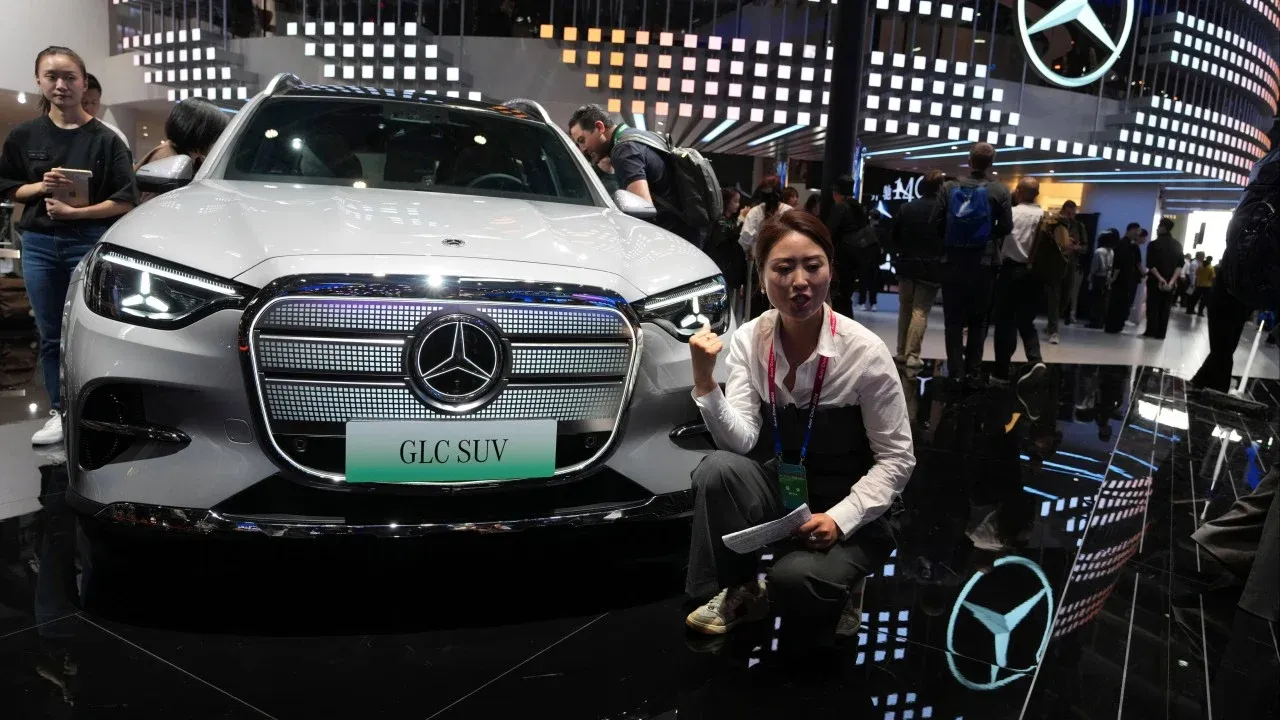
SCMP says international luxury brands from Mercedes-Benz to Land Rover took another hit in China last month as wealthy consumers shunned expensive petrol-powered vehicles. The consequence for decision-makers: retaining market share and protecting profitability will get harder as China’s EV competition accelerates.
International luxury car brands from Mercedes-Benz to Land Rover took a further beating in China last month, according to SCMP. The specific problem is not subtle. Wealthy consumers are still shunning expensive petrol-powered vehicles, even as the market gets louder about electric alternatives.
This matters because China is the world’s largest automotive market, and luxury brands do not win there by being merely “nice.” They win by defending market share and protecting profitability at precisely the moment demand is fragmenting. SCMP reports that analysts say international marques are now finding it more difficult to do both, as competition from China’s rising electric vehicle (EV) powerhouses intensifies. The pressure point is pricing and powertrain: petrol cars in the luxury segment are getting squeezed by buyers who can now choose electrified options instead.
SCMP ties the latest shift to data from the China Passenger Car Association (CPCA). CPCA data is a key input for anyone trying to read China’s passenger-car direction quickly, because it aggregates what buyers actually do, not what companies say they planned. The takeaway from SCMP’s framing is that the “petrol problem” is still active. Even in a segment that historically benefited from the spending power of wealthier buyers, the latest month shows international brands losing traction rather than stabilizing.
Why would luxury buyers keep moving away from expensive petrol models? The most direct mechanism is the EV switch and the competitive response it forces. SCMP describes a landscape where China’s EV players are rising, and that changes the decision math for buyers. If a technologically advanced alternative is available within a comparable luxury or near-luxury price band, “petrol expensive” stops being a status advantage and starts looking like an outdated bet. In practical terms, international luxury brands are not competing on styling alone. They are competing on software, charging experience, total cost of ownership, and the simple emotional appeal of “the future is here.”
There is also a regulatory and infrastructure backdrop that executives typically watch when these shifts show up in monthly sales. China has been pushing EV adoption and reshaping how manufacturers plan product roadmaps, which in turn alters supply decisions and marketing focus. Even when a consumer is not thinking about policy, policy shapes what is investable. It shapes incentives, the availability of EV models, and where brands put their next-generation engineering dollars. When CPCA data shows renewed weakness for petrol-powered luxury, it is a sign that the market reality is catching up with the direction regulators and manufacturers have been moving for some time.
Second-order implications are where boards should lean in. When international brands lose more traction in China, the damage is rarely just “fewer units.” It can mean weaker pricing power, increased promotional intensity, and pressure on margins, especially if the manufacturer needs to fund EV transitions while also defending existing petrol lines. It can also force management teams to rethink how they allocate capital between regions. If China is where they traditionally could earn premium returns, then sustaining profitability becomes harder, not easier.
And the competitive reset spreads beyond the showroom. Local EV brands are not just stealing share. They raise the baseline expectations for performance and technology across the category, which makes it harder for international competitors to differentiate with incremental updates. That is why SCMP’s analysts connect the issue to both market share and profitability, not just sales volume. Profitability is the longer-term question that matters to investors and executives because it dictates how quickly companies can fund the next product wave, absorb cost pressures, and maintain resilience during demand swings.
For executives watching similar markets, the strategic stake is straightforward: defend the luxury relationship with buyers at the exact moment powertrain preferences are changing. If wealthy consumers keep choosing electrified options from domestic challengers, international luxury brands will have to decide whether they can win with pricing and product cadence, or whether they need faster restructuring of their China strategy. In a world where CPCA trends can move quickly month to month, hesitation is expensive.
This story's Key Insights and Take-aways are locked.
Create a free account to unlock Executive Actions for one credit.
Register to UnlockAlways free for Executives Club members. Join the Club
More in Business

Anthropic’s Levant Alpöge cracks the Jacobian conjecture after 87 years
A Harvard valedictorian used Claude to hit a 1939 breakthrough, but the missing “why” is the real problem.

Uber buys Delivery Hero for nearly $15B, vaulting to top food delivery outside China
The deal doubles Uber's dual-services footprint and pushes a ride-and-eats bundling play into 50 more markets.

Epic and Google drop settlement bid, forcing rival Android app stores by July 22
Google told the court it is ready to carry third-party app stores starting Wednesday, July 22.