

macOS 27 Golden Gate ends Intel Mac support, starting the Apple Silicon squeeze
An M1 or better is required, Intel updates last longer than expected, and Rosetta’s future gets narrower.
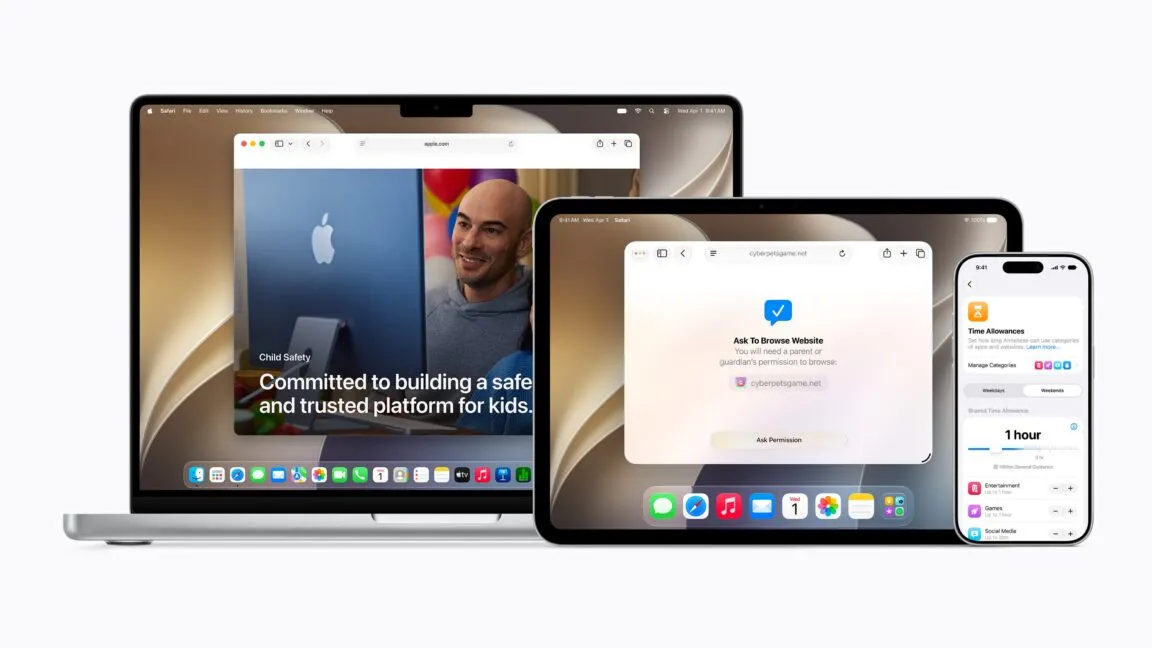
Apple says macOS 27 Golden Gate will require a Mac with Apple Silicon, ending Intel Mac support for the next release. For decision-makers managing device fleets, support plans, and app compatibility, this forces a timeline change now.
Apple is finally drawing a hard line under the Intel era: macOS 27 Golden Gate will require a Mac with an Apple Silicon chip inside. That means an M1 or better. The original M1 chip, for example, launched in the MacBook Air, MacBook Pro, and Mac mini back in late 2020, so many organizations that upgraded during that window have a clear path. But if your fleet is still running Intel Macs, this is the moment you stop hoping and start planning.
The transition comes with a predictable but still time-sensitive grace period. Intel Macs running macOS 26 Tahoe can expect security and Safari patches for about two more years after the release of macOS 27 Golden Gate. Separately, Macs running macOS 15 Sequoia will receive one more year of updates. In other words: Apple is not removing everything overnight, but it is narrowing the runway. The “when” and “how long” matter because security patches and Safari updates are the things auditors, IT teams, and risk owners care about most.
Under the hood, the company is also leaning on a compatibility bridge to keep app ecosystems moving. Apple Silicon Macs will still be able to run Intel Mac apps via the Rosetta 2 compatibility layer in macOS 27. For most enterprises, that’s the practical reassurance: if you have Intel-only apps in use, the operating system change does not instantly strand them. But the source makes clear that this is not a permanent guarantee. Apple has said it will mainly begin to limit Rosetta 2 in future releases to support older games that still use Intel code. That’s a major shift in posture from “general compatibility” toward “legacy exceptions,” which tends to be where the operational pain starts.
Why does this matter beyond IT chores? Because macOS versions are not just personal preference. They are procurement cycles, software vendor roadmaps, and application risk management. Each macOS release has previously left a longer and longer list of Intel Macs behind, and this newest requirement codifies that trend into a clear fork. Organizations with staggered upgrade plans may find themselves juggling three categories at once: Apple Silicon machines that can upgrade immediately, Intel machines that can still receive patches for a limited period, and machines that will eventually become “stuck” on older operating systems.
That second category is where second-order problems show up. If Intel Macs can keep receiving security and Safari patches for about two more years after macOS 27 Golden Gate ships, that creates a tempting illusion that “we can migrate later.” But the clock starts at release time, and migration is rarely a single project. It means coordinating device refreshes, app testing, endpoint management configurations, and vendor support verification. It also means anticipating that compatibility tooling will get tighter over time. Rosetta 2 is a bridge, not the destination, especially if Apple’s stated plan is to limit it mainly to older games that use Intel code.
The broader ecosystem has already been preparing for this moment. The source notes that third-party utilities like OpenCore Legacy Patcher helped some Mac owners use unsupported hardware longer. That tells you two things about incentives. First, there is real demand to keep older machines alive because replacement cycles cost money. Second, the market will respond with workarounds when platforms tighten, even if those workarounds carry their own security and support risks. For executives, the presence of such tools is less about endorsing them and more about recognizing the operational reality: some users will try to stretch devices past official support, which increases variability and complicates governance.
Strategically, the macOS 27 decision changes the bargaining position for both sides in the enterprise stack: Apple can accelerate hardware adoption, while software vendors and IT teams must align their roadmaps with Apple Silicon first. For boards and senior leaders, the stake is straightforward. If you are still heavily invested in Intel Macs, you are not just facing a new OS release. You are confronting a multi-year risk and cost curve shaped by patch timelines, compatibility constraints, and the inevitability of a shrinking supported device base.
This story's Key Insights and Take-aways are locked.
Create a free account to unlock Executive Actions for one credit.
Register to UnlockAlways free for Executives Club members. Join the Club
More in Technology

OpenAI says 10,000 agents cracked a 90-year math problem in 88 hours
The company's claim is audacious, but one mathematician is pushing back. Here's what it means for AI-driven discovery.
Meta still serves child sexual abuse ads on Instagram in India - BBC report
A new report following the BBC Eye investigation says the ads are still there - what it signals for every platform with a self-serve ad engine.

White House yanks 'Build the Wall' game after Tetris Company copyright warning
The administration's arcade game vanished in hours - and the takedown playbook every brand can learn from.