
Madonna’s ‘Confessions II’ drops after months of surprise Coachella and Grindr takeover
The long-awaited release arrives with a campaign built for screens, streets, and streaming feeds, not radio nostalgia.
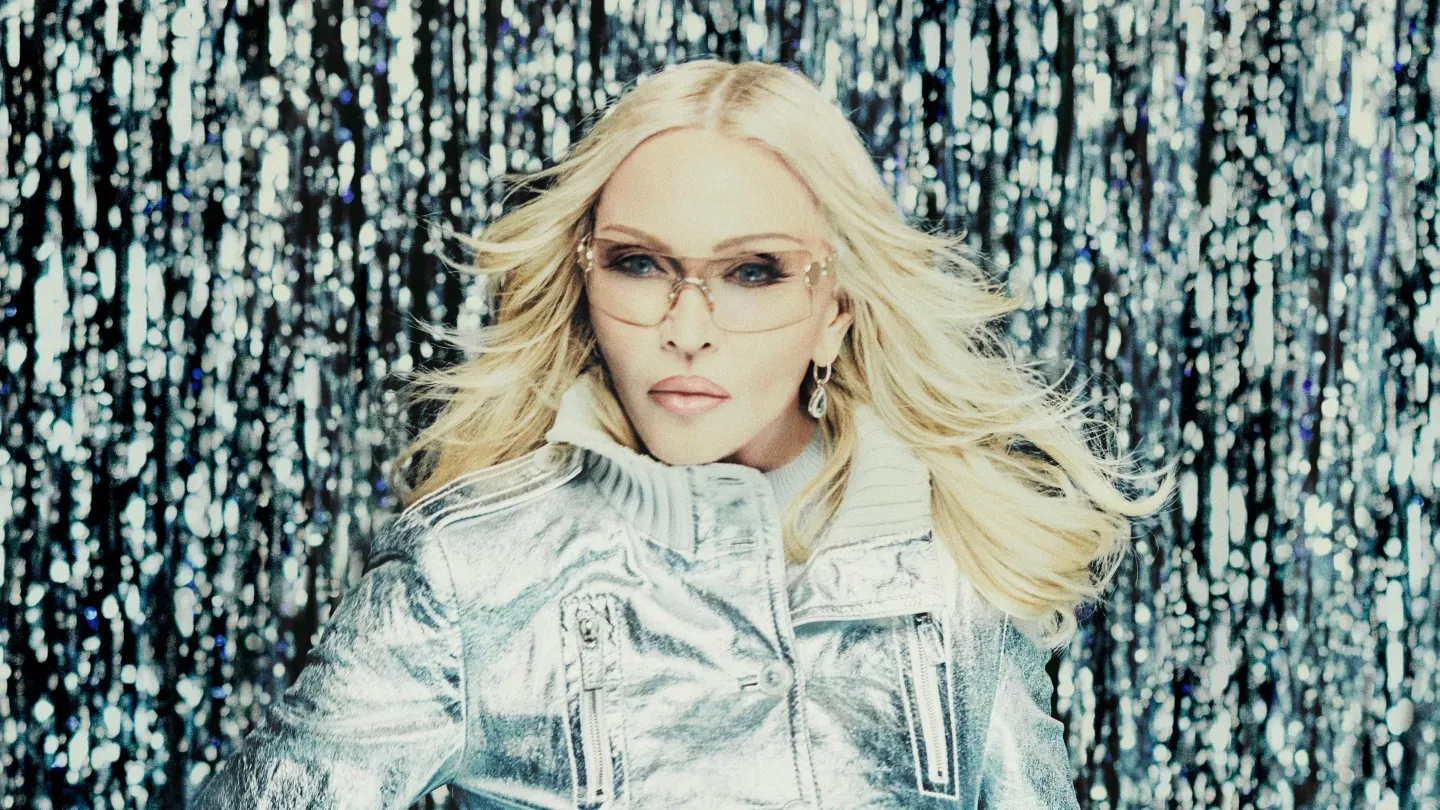
Madonna is returning with her long-awaited ‘Confessions II,’ culminating a months-long rollout. The campaign included a surprise Coachella performance, a pop-up show in Times Square, and ‘taking over the Gayborhood’ on Grindr, reshaping how a legacy superstar can still launch big.
Madonna is back with ‘Confessions II,’ the much-anticipated release that caps a months-long rollout powered by surprise appearances and channel-hopping stunts. The campaign included a surprise Coachella performance, a pop-up show in Times Square, and ‘taking over the Gayborhood’ on Grindr. The headline stake is simple: this is not a quiet release cycle where fans passively wait. It is a deliberate, attention-engineering campaign designed to turn moments into momentum.
For decision-makers watching pop culture as a signal of where attention and audience formation are going, the interesting part is not only that the album is coming. It is how the rollout was assembled across platforms with different rules, different audience intent, and different audience behaviors. Coachella is a high-visibility live moment; Times Square is mass spectacle; Grindr is community-native and identity-forward. By stacking those three, the campaign effectively treated the “release date” as just one node in a larger distribution network.
From a strategy standpoint, this is a reminder that legacy brands do not win by trying to relive their original dominance. They win by translating their cultural position into modern discovery paths. Historically, music marketing leaned heavily on traditional gatekeepers like radio, TV, and print. But the source describes a campaign built around modern attention surfaces: major festival stages, public billboard-level visibility, and an app ecosystem where discovery is embedded in the user’s daily behavior.
The incentives for each channel are different, and that matters. A festival performance like the surprise Coachella slot is a credibility and visibility surge. You get a live-proof moment that feels earned in real time, not announced in advance. A pop-up show in Times Square functions as a spectacle and a verification stamp, because it creates an “I was there” moment for passersby and camera-ready content for everyone else. Then Grindr, with its framing of “taking over the Gayborhood,” operates like a targeted cultural venue, where the activation can feel personalized to the audience rather than broadcasted to them.
There is also an industry and regulatory backdrop to keep in mind, even without extra numbers in the source. Music and media campaigns typically intersect with content moderation and platform policies, especially when targeting specific communities through branded experiences. The source specifically names Grindr and the “Gayborhood” framing, which suggests a marketing approach rooted in community context rather than generic mainstream positioning. For executives, the second-order implication is that platform-native campaigns can outperform broad messaging, but they can also require tighter alignment with platform norms and user expectations.
Boards and investors in media, tech, and creator economies should watch the signaling here. This rollout shows how a major artist can orchestrate a multi-platform narrative without relying on a single distribution partner. Instead of treating marketing as a single funnel, the campaign treated each channel as a different kind of proof. Proof at Coachella tells the industry the artist is still a draw in one of the biggest live ecosystems. Proof in Times Square tells mainstream audiences the release is “real” and happening now. Proof on Grindr tells a community that the launch is culturally aware, not just commercially opportunistic.
The strategic stake is that attention is becoming the scarcest resource in media. The campaign described in the source is essentially a playbook for compressing the distance between hype and actual engagement. Surprise matters because it interrupts the audience’s default behavior. Pop-ups matter because they create urgency and scarcity. “Taking over” language matters because it frames the activation as an event, not an ad.
For executives building launch strategies, partnerships, or content distribution plans, the takeaway is not that every brand can pull off Coachella or a Times Square moment. It is that the underlying mechanism is portable: create multiple high-signal moments across channels with distinct audience intent, then let the overlap of those audiences do the work of widening the net. Madonna’s ‘Confessions II’ rollout, as described by The Hollywood Reporter, is a clean example of how a long-awaited release can be made to feel like a storyline unfolding in public, not a product waiting in a warehouse.
This story's Key Insights and Take-aways are locked.
Create a free account to unlock Executive Actions for one credit.
Register to UnlockAlways free for Executives Club members. Join the Club
More in Entertainment

Russell Brand's accuser 'bewildered and confused' as he denies 7 sex charges
The criminal case against the comedian is a live test of how media companies manage talent risk when serious allegations go public.

'It's a Magic Trick': Ballet Experts Say Rosalía's SNL Pose Is Impossible
Three ballet experts tell Rolling Stone Rosalía's gravity-defying SNL stillness shouldn't be possible - and why the debate is now part of the show.

Activision CMO: GTA 6 Will Boost Call of Duty, Not Bury It
Activision's top marketer says Rockstar's blockbuster will drive players back to consoles and into Modern Warfare 4, even as the company admits its recent strategy failed.