
Madonna’s ‘Confessions II’ drops July 3, with Sabrina Carpenter, Stromae, Martin Garrix, Feid
The follow-up to 2005’s Confessions on a Dance Floor is a club-forward reinvention, and the guest list is the story.
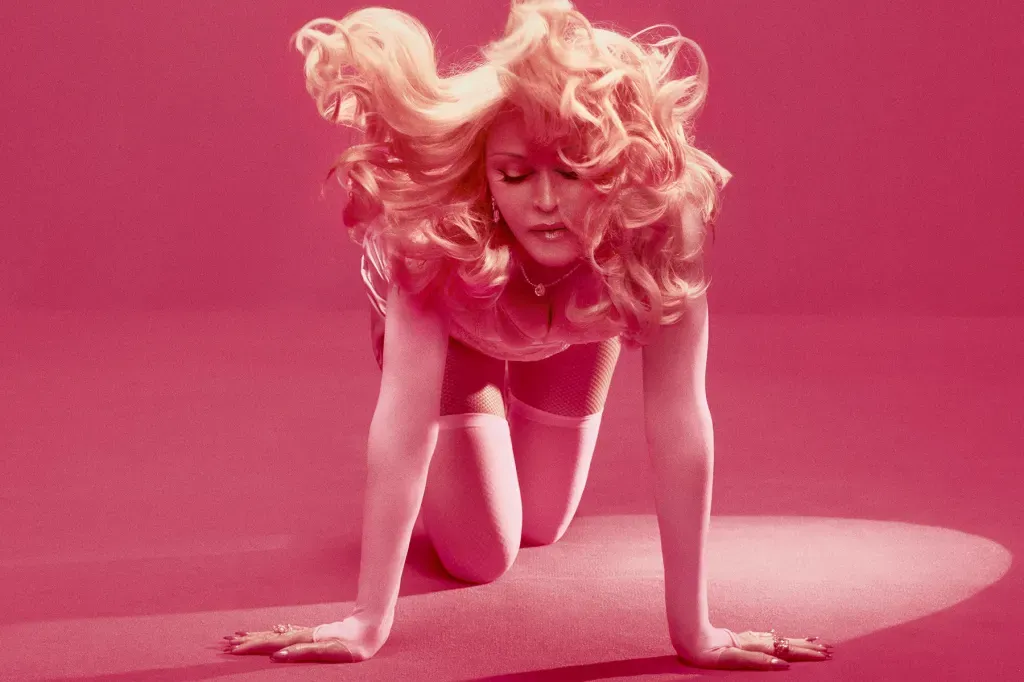
Madonna released Confessions II on Friday, July 3, a follow-up to her 2005 album Confessions on a Dance Floor and produced again with Stuart Price. For decision-makers watching pop culture as a distribution and branding force, the album signals how global stars and emerging artists now co-own the same audience.
Madonna is back with Confessions II, landing out Friday, July 3, and the album’s guest list reads like a dance-music supply chain reboot. The follow-up to 2005’s Confessions on a Dance Floor pairs Madonna again with the album's producer Stuart Price, and the 16 tracks focus on the same core ingredients: disco, electronica, synth, and dance pop, but delivered with modern club energy.
If you came here for the collaborations, you got them immediately. Confessions II includes previously released singles "I Feel So Free," "Love Sensation," and "Bring Your Love," with the latter featuring collaboration with Sabrina Carpenter. Madonna also appeared with Carpenter on stage during Carpenter's headlining set at Coachella in April, tying this record to a very current live-audience moment rather than a nostalgia loop.
What matters, strategically, is not just that Madonna is releasing another dance record. It is that she is reinforcing a recognizable positioning: “club as church” and dancing as spiritual work, built from lush, cerebral productions. That framing matters because dance-pop is one of the few genres where the audience is trained to listen for production choices. Stuart Price’s role, again, gives the project continuity, which is rare for artists operating at Madonna’s scale. Reinvention is her brand, but here it is extension, not rupture.
The album also widens the circle beyond pop radio. Confessions II includes collabs with Belgian star Stromae on "My Sins Are My Savior," Dutch dance titan Martin Garrix on "Bizarre," and Colombian reggaeton star Feid. Feid sings on "Read My Lips" and, with other collaborations on 2026 albums by Skrillex and John Summit, is having a big year in the dance world. In other words, the record is not only importing Madonna’s legacy. It is tapping into where dance momentum is being manufactured right now.
There is also the intra-family collaboration, which changes the emotional temperature of the whole rollout. Confessions II includes Madonna’s own daughter Lola Leon on the song "The Test." The track explores their mother-daughter relationship through lyrics such as "Sometimes I think you'd wish I'd go away/but my shadow stays/and it's OK to be yourself." The choice to put this vulnerability into a confessional format echoes the 2005 original, which was released when Leon was nine years old, and that timeline matters because it makes the album feel like a continuation of a story rather than a detached brand exercise.
If you zoom out, the album arrives in an environment where streaming, playlisting, and global touring can turn “collab credit” into a distribution engine. Madonna’s 15th studio album since 1983 is not a minor milestone, and the decision to keep the sound club-forward while stacking contemporary names suggests a deliberate attempt to bridge audience segments: longtime fans who understand the Confessions era shorthand, and newer listeners who discover through features. For executives and investors, that is a reminder that pop music marketing is increasingly networked. The guest list is a map of today’s listening habits.
Regulatory background is less about this release and more about the ecosystem it lives in. Music distribution and rights management are shaped by how platforms handle licensing and royalties across borders, and for global artists like these collaborators, the practical reality is that monetization is always entangled with rights and data flows. While the source does not mention specific regulatory actions, the album’s multinational roster, spanning Belgian, Dutch, Colombian, and American talent, underlines why labels and platforms keep treating international catalog economics as mission-critical, not optional.
So what should peers in similar roles take from this? Confessions II is a case study in how to keep a legacy artist relevant without sanding down identity. Madonna focuses on production continuity via Stuart Price while using features to stitch her sound into current dance and pop circuits. The strategic stake is simple: in a world where attention is rented by the day, the way you re-enter matters as much as what you release. Confessions II positions Madonna not as a museum piece, but as an active participant in the club music present.
This story's Key Insights and Take-aways are locked.
Create a free account to unlock Executive Actions for one credit.
Register to UnlockAlways free for Executives Club members. Join the Club
More in Entertainment

Russell Brand's accuser 'bewildered and confused' as he denies 7 sex charges
The criminal case against the comedian is a live test of how media companies manage talent risk when serious allegations go public.

'It's a Magic Trick': Ballet Experts Say Rosalía's SNL Pose Is Impossible
Three ballet experts tell Rolling Stone Rosalía's gravity-defying SNL stillness shouldn't be possible - and why the debate is now part of the show.

Activision CMO: GTA 6 Will Boost Call of Duty, Not Bury It
Activision's top marketer says Rockstar's blockbuster will drive players back to consoles and into Modern Warfare 4, even as the company admits its recent strategy failed.