
Marjane Satrapi dies at 56, ending a Persepolis era
Her death at 56 closes one of global culture’s most recognizable voices, while Saudi Arabia accelerates arts capacity-building.

Franco-Iranian author and film director Marjane Satrapi, known for “Persepolis,” has died at age 56, AFP reported Thursday. The same day, Saudi Arabia’s Ministry of Culture said it has partnered with the Royal College of Art to support academic development at the Riyadh University of Arts.
Marjane Satrapi, the Franco-Iranian author and film director best known for the graphic novel and film “Persepolis,” has died at 56. AFP learned Thursday of her death from a member of her close circle. For decision-makers in media, publishing, and creative industries, this is more than an obituary. Satrapi’s work sat at the intersection of global storytelling, politically charged art, and mainstream visibility, meaning her absence hits a cultural ecosystem that still profits from her type of crossover: international narratives that can travel across borders and formats.
If you manage a studio slate, back a publisher, or allocate money to cultural projects, the immediate question is simple: what happens to momentum when a landmark creator exits? In many creative markets, one celebrated work becomes a reference point for years, influencing how festivals program, how distributors package, how critics frame themes, and how audiences discover adjacent artists. Satrapi’s “Persepolis” already functioned like that kind of anchor. When the anchor is gone, the industry does not just lose a person, it loses a living benchmark for how to turn deeply local experience into global cultural capital.
In Saudi Arabia, meanwhile, the focus shifts to capacity-building rather than commemoration. The Saudi Ministry of Culture partnered with the Royal College of Art to support academic development at the Riyadh University of Arts. The stated intent is to develop local talent and strengthen global cultural connections. That kind of partnership matters because universities are not just teaching institutions. They are pipelines. They shape what kinds of creators exist five to ten years from now, and they shape the standards that gate who gets funded, showcased, and hired. For executives, especially those overseeing cultural programs, this is a signal that Saudi’s arts strategy is moving toward formal talent development and institutional credibility, not only events.
If you are thinking in board terms, consider the incentives. Cultural ministries and education partners typically seek two outcomes at once: domestic capability and international legitimacy. Partnering with a globally recognized arts school like the Royal College of Art is a credibility move that can help attract faculty, improve curricula, and make graduates more legible to international networks. It is also a risk-managed way to build quality. Instead of betting everything on one-off projects, you invest in the system that produces repeatable talent.
Then there is the global art and culture backdrop, which the Al Arabiya English updates also reflect through a quick travel-style cultural note about Athens. Visitors walking along the broad pedestrian street at the base of Athens’ Acropolis Hill can now enjoy an unobstructed, scaffolding-free view that has not been available in decades. That detail might sound like the kind of thing a tourism website would mention, but it connects to a real economic truth: cultural access is demand. When scaffolding comes down and a view opens again, it can change how people plan trips, how long they stay, and how they spend around major landmarks. Executives in hospitality, retail, and cultural tourism watch these “infrastructure of experience” changes closely because they affect foot traffic and customer behavior.
Put these stories together and you get a clearer picture of what the culture world is doing right now. On one side, the creative ecosystem mourns Satrapi’s death at 56, a reminder that artistic influence is human and irreplaceable. On the other side, governments and educational institutions are building pipelines to reduce reliance on individual stars by scaling talent development. And in a place like Athens, physical access improvements remove friction from the visitor journey, effectively upgrading the product.
For boards and senior leaders, the second-order implication is that culture is starting to look more like other strategic sectors: it has inputs (education, infrastructure, partnerships), outputs (creators, audience attention, tourism demand), and reputational feedback loops (global recognition, institutional credibility). When one creator like Satrapi passes away, the market feels it emotionally and practically. When a ministry partners with an international arts institution, the market feels it institutionally and over time. The strategic stakes are straightforward: those who plan for continuity will be better positioned when the next global reference work, the next cohort of internationally legible creators, and the next “unblocked” cultural experience arrive.
This story's Key Insights and Take-aways are locked.
Create a free account to unlock Executive Actions for one credit.
Register to UnlockAlways free for Executives Club members. Join the Club
More in Entertainment

Jalen Brunson and the Knicks end a 53-year wait with Game title vs Spurs
New York turns 37 first-half points into an identity-defining defensive second half, winning their first title in 53 years.

Adult Swim teases President Curtis with Jim Rash and Stephanie Beatriz, not Keith David
The first look dodges the spin-off’s titular star, leaving the premise murkier than fans hoped until July.
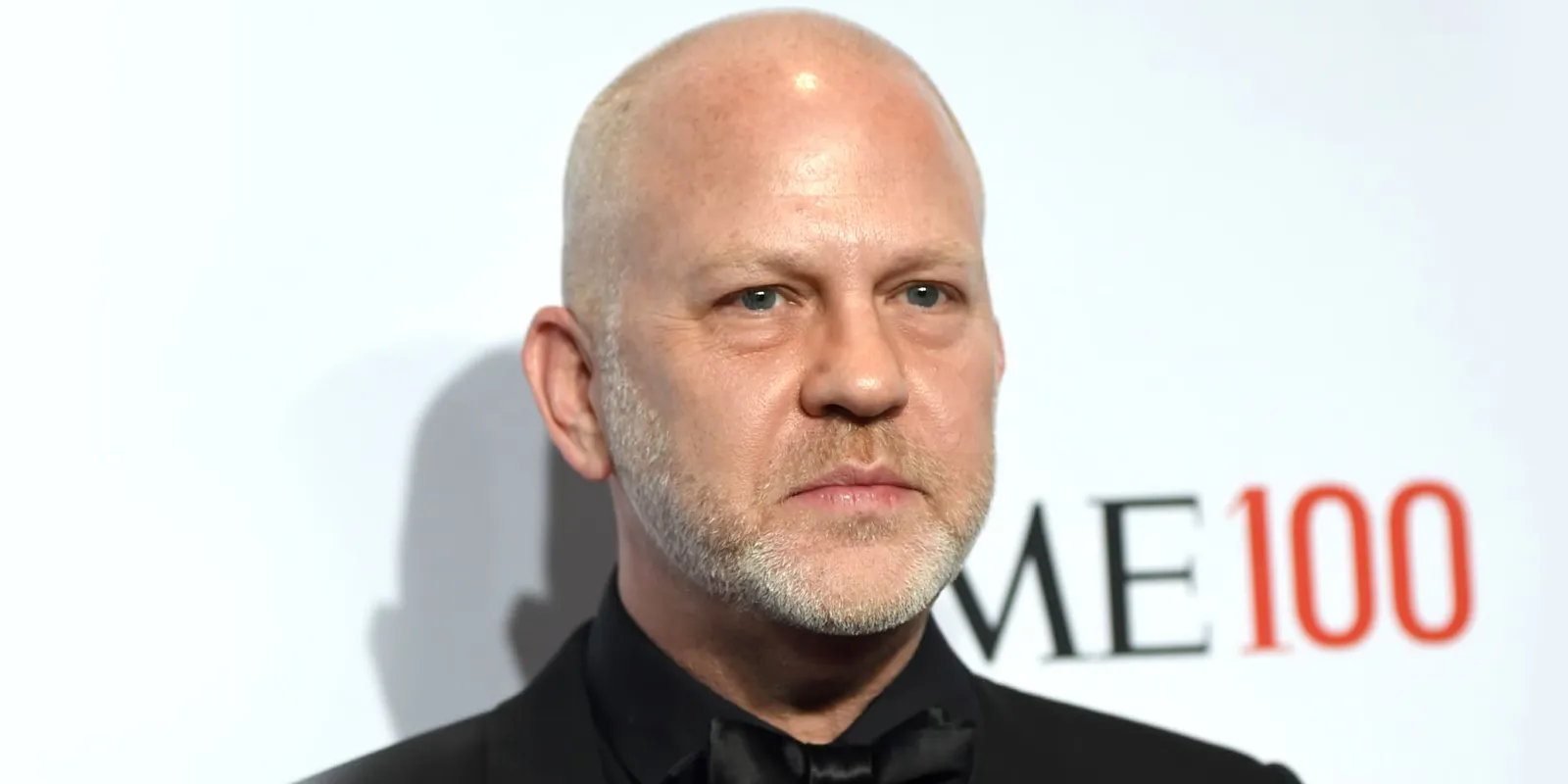
Ryan Murphy’s thriller lands with a premiere date, built on Bret Easton Ellis’s moneyed dread
The series gives psychologically violent, elite-obsessed vibes and ties them directly to Murphy and Max Winkler’s creative setup.