

Marty O'Donnell kills Tom Cruise Master Chief and Julia Roberts Cortana deal rumors
The Halo composer confirms he only had a short chat about the casting, and why it never got past agents.
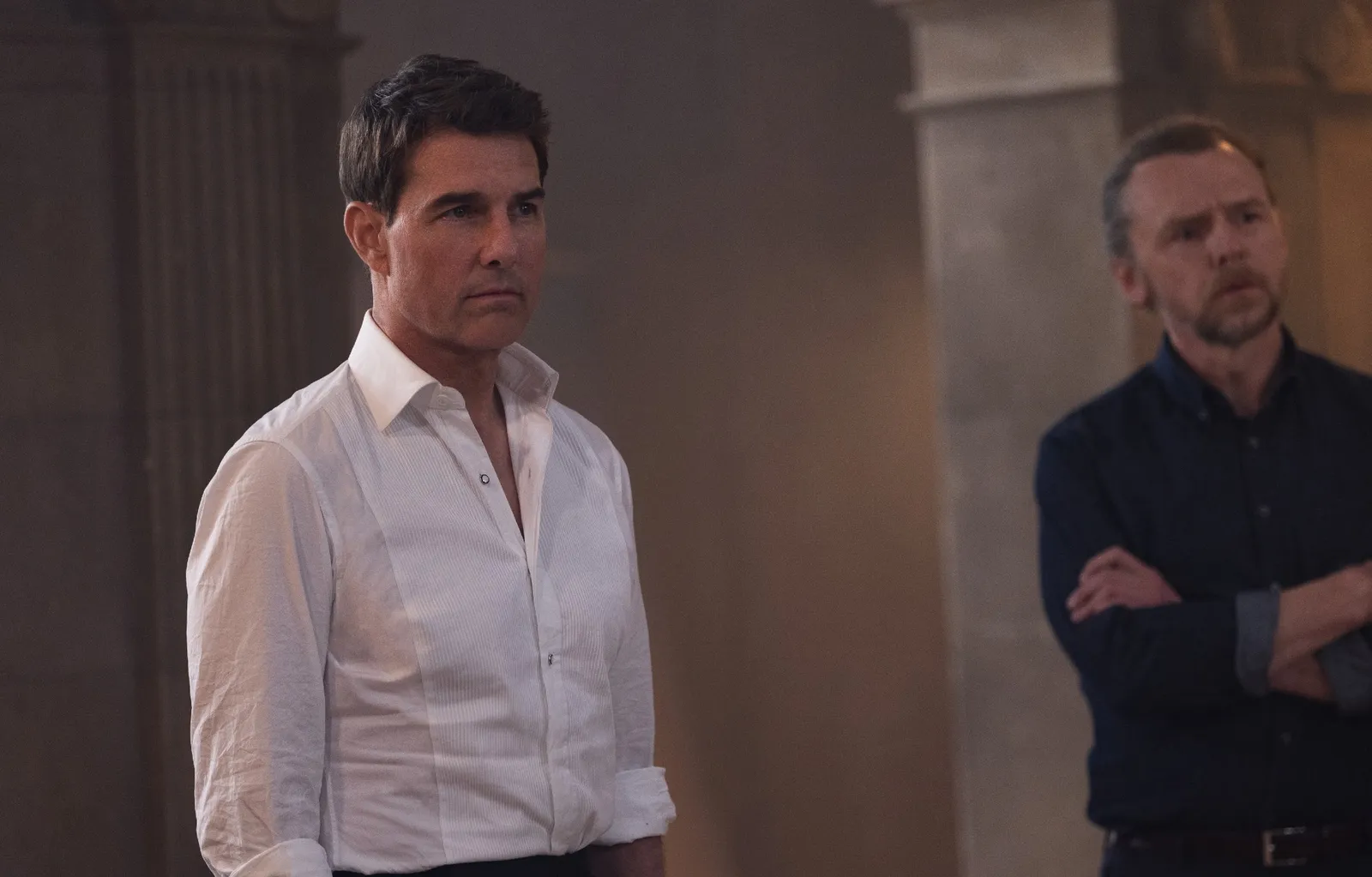
Halo composer and voice director Marty O'Donnell says the Tom Cruise Master Chief and Julia Roberts Cortana casting idea never went further than one short conversation. The consequence for decision-makers: Hollywood stunt-casting debates collide with audience trust in established voice identities.
Halo has a new reason for fans to feel vindicated. Composer and voice director Marty O'Donnell says the long-running rumours about Tom Cruise voicing Master Chief in Halo 2, and Julia Roberts voicing Cortana, basically died at the first agent conversation stage. In other words, it was a “fun story” that never became a real casting deal.
O'Donnell’s account is direct: he had “short” conversations with someone who represented Cruise and Roberts about bringing them into Halo 2. He explains that the pitch came down to their representatives saying, in essence, “we should make this deal” to get Tom Cruise as Master Chief and Julia Roberts as Cortana. Then he adds the part that really matters to the fanbase. He says he knew it “would have ruined everything,” because the audience is “blown away by solid gameplay and emotionally compelling stories,” not just celebrity names, and, crucially, because he could not simply replace the established voices fans already had a relationship with.
To unpack why that response is such a big deal, look at how voice and identity work in major franchises. Halo’s original voice cast is not incidental. O’Donnell goes on to say there was “no way that I could replace Jen Taylor and Steve Downes,” explicitly naming the existing performers whose connection to the characters had already formed. In an industry where marketing often treats big names as instant credibility, this is a reminder that the characters already have “brand equity” in the form of consistent performance over time. When fans bond with a voice, you do not just swap the microphone and call it innovation.
This also ties to incentive alignment behind the scenes. Cruise and Roberts are, on paper, the kind of casting that can create headlines, social chatter, and mainstream attention. But O’Donnell’s framing is about the internal production trade-off. He says he would have “had a blast” working with both Cruise and Roberts, and if he could have done that “to begin with,” it might have been “cool.” That is the tell: the fantasy was real, but the timing and the replacement problem made it impossible. In practice, once a franchise has anchored performance history, producers face higher risk from sudden changes, including emotional disconnect that can land harder than any potential media boost.
O’Donnell also provides a bit of context on why the rumours linger in the first place. He says Cruise was “already a Bungie fan, believe it or not,” and that Cruise had played Myth. O’Donnell is clear this was not “the first time we'd heard about Tom Cruise.” That matters because it positions the casting idea as an extension of existing interest, not something pulled out of nowhere. The entire chain, in his telling, still lands on the same point: it never moved beyond a single conversation. He calls it “never really in the cards to be considered,” adding that it “never went any further than that one conversation.”
While the Cruise-versus-Cortana debate remains just a debate, Halo’s forward motion is already here. Taylor and Downes are set to return for Halo: Campaign Evolved, launching July 28. The remastered release will feature “expanded gameplay, two-player split-screen on consoles, online and networked co-op for up to four players on console and PC, and seamless cross-platform play with shared progression.” Halo Studios positions it as “the definitive return trip through one of gaming’s greatest journeys.”
From a decision-maker perspective, this is where the second-order implications kick in. A remaster is not just a content update. It is also a signal about what the developer believes the franchise’s “center of gravity” is. Halo Studios says the goal is “the definitive return trip” and also calls the original Halo: Combat Evolved “a stalwart of gaming history” and “a cultural icon” that helped define the first-person shooter experience. That language is basically an argument to preserve what fans already consider sacred: moments, feel, identity, and continuity. O’Donnell’s rejection of the celebrity swap story fits neatly into that preservation mindset.
Even though this article is mostly about Halo, it nudges the broader entertainment ecosystem in the same direction: voice and presence are the product. And outside gaming, Sonic The Hedgehog rock band Crush 40 have added more UK dates to their Speed Of Sound world anniversary tour. That detail may look unrelated, but it underscores the same business truth: franchises monetize continuity and fan attachment across media, whether that’s characters, performances, or bands tied to a universe.
So what does this mean for executives and boards in adjacent categories, from media studios to game publishers? The biggest takeaway is not “celebrity casting is bad.” O’Donnell doesn’t say that. The takeaway is that for franchises with established audience emotional contracts, the acceptable risk is narrower than marketing teams sometimes assume. If you disrupt voice identity, you risk breaking the relationship fans already have. O’Donnell’s comments effectively draw a boundary between “cool in theory” and “viable in production,” and for Halo, that boundary was set by the voices fans already knew.
This story's Key Insights and Take-aways are locked.
Create a free account to unlock Executive Actions for one credit.
Register to UnlockAlways free for Executives Club members. Join the Club
More in Entertainment

Russell Brand's accuser 'bewildered and confused' as he denies 7 sex charges
The criminal case against the comedian is a live test of how media companies manage talent risk when serious allegations go public.

'It's a Magic Trick': Ballet Experts Say Rosalía's SNL Pose Is Impossible
Three ballet experts tell Rolling Stone Rosalía's gravity-defying SNL stillness shouldn't be possible - and why the debate is now part of the show.

Activision CMO: GTA 6 Will Boost Call of Duty, Not Bury It
Activision's top marketer says Rockstar's blockbuster will drive players back to consoles and into Modern Warfare 4, even as the company admits its recent strategy failed.