
Masdar seals 100% takeover of Greece's Terna Energy in renewables push
The UAE clean energy giant now fully owns the Greek renewables developer, accelerating its European footprint and reshaping competition in the region.

Masdar, the UAE's clean energy company, has completed the full acquisition of Greek renewables firm Terna Energy. The move gives Masdar a significant portfolio of wind, solar, and hydro assets across Europe, intensifying competition among state-backed energy players.
Masdar, the UAE's clean energy powerhouse, has closed the deal to acquire 100% of Terna Energy, a Greek renewables developer. The completion of this acquisition marks a decisive step in Masdar's global expansion strategy, giving it full control of a company with a diversified portfolio of wind, solar, and hydroelectric projects across Greece and other European markets. For decision-makers watching the energy transition, this is not just another M&A headline-it is a signal that Gulf state-backed players are moving aggressively to lock in European renewable capacity.
Terna Energy has long been a key player in Greece's renewable sector, with operational assets and a pipeline of projects that span multiple technologies. By taking full ownership, Masdar instantly gains a foothold in the European Union's regulated energy market, where renewable targets are binding and subsidies are being phased out in favor of competitive auctions. This acquisition also aligns with Masdar's stated ambition to reach 100 gigawatts of renewable capacity by 2030, a target that requires both organic growth and strategic acquisitions. The Terna deal adds tangible capacity and, more importantly, a local development platform with deep regulatory knowledge and community relationships.
Masdar, owned by Mubadala Investment Company, has been on a buying spree over the past two years. It has partnered with infrastructure funds, acquired stakes in offshore wind farms, and entered emerging markets from Indonesia to the United States. The Terna acquisition fits a pattern: rather than building from scratch in mature markets, Masdar is buying established players with operating assets and development pipelines. This approach reduces execution risk and accelerates time-to-revenue, a critical factor when competing against European utilities and other Gulf investors like Saudi Arabia's ACWA Power.
The broader context is a global race for renewable assets. As governments push toward net-zero, the value of operating wind and solar farms has soared, and competition for high-quality portfolios has intensified. European utilities are defending their home turf, while Asian and Middle Eastern investors are seeking diversification and stable, long-term cash flows. The Terna deal gives Masdar a strategic beachhead in Southern Europe, a region with strong solar irradiation and growing cross-border interconnections. It also positions Masdar to benefit from the EU's Green Deal and the upcoming hydrogen economy, as Terna's hydro assets could be repurposed for electrolysis.
Regulatory dynamics are equally important. The EU has been cautious about foreign ownership of critical infrastructure, but renewable energy is generally viewed as a positive investment, especially when it accelerates decarbonization. Masdar's track record of partnering with local entities and its reputation as a responsible investor likely smoothed the approval process. Still, the deal will be scrutinized by competition authorities, and Masdar will need to demonstrate that it can operate Terna's assets efficiently without triggering concerns about market dominance or supply chain dependencies.
For competitors, the message is clear: the bar has been raised. State-backed players with deep pockets and long investment horizons are now direct rivals in Europe's renewable market. Traditional utilities must respond by strengthening their own portfolios, forming joint ventures, or seeking defensive mergers. For investors, the deal underscores the attractiveness of renewable assets as a hedge against energy price volatility and regulatory shifts. For policymakers, it highlights the need to balance foreign investment with domestic energy security, a tension that will only grow as the transition accelerates.
The strategic stakes extend beyond Masdar. Other Gulf energy companies, including those in Saudi Arabia and Qatar, are watching closely. If Masdar's integration of Terna proves successful, it could trigger a wave of similar acquisitions across the Mediterranean and Eastern Europe. Boards of renewable developers in the region should now consider their options: partner with a strategic buyer, build scale independently, or risk being left behind in a consolidating market. The Terna deal is a reminder that in the energy transition, size and capital access are decisive advantages.
For executives in the energy sector, the takeaway is twofold. First, cross-border M&A is the fastest route to scale in renewables, but it requires deep regulatory expertise and a long-term view. Second, the competitive landscape is no longer defined by traditional utilities alone-state-backed entities from the Gulf are now major players with the financial firepower to reshape markets. As Masdar integrates Terna, its success or failure will offer valuable lessons for every company navigating the transition. The deal is closed, but the real work-and the real competition-has just begun.
This story's Key Insights and Take-aways are locked.
Create a free account to unlock Executive Actions for one credit.
Register to UnlockAlways free for Executives Club members. Join the Club
More in Business
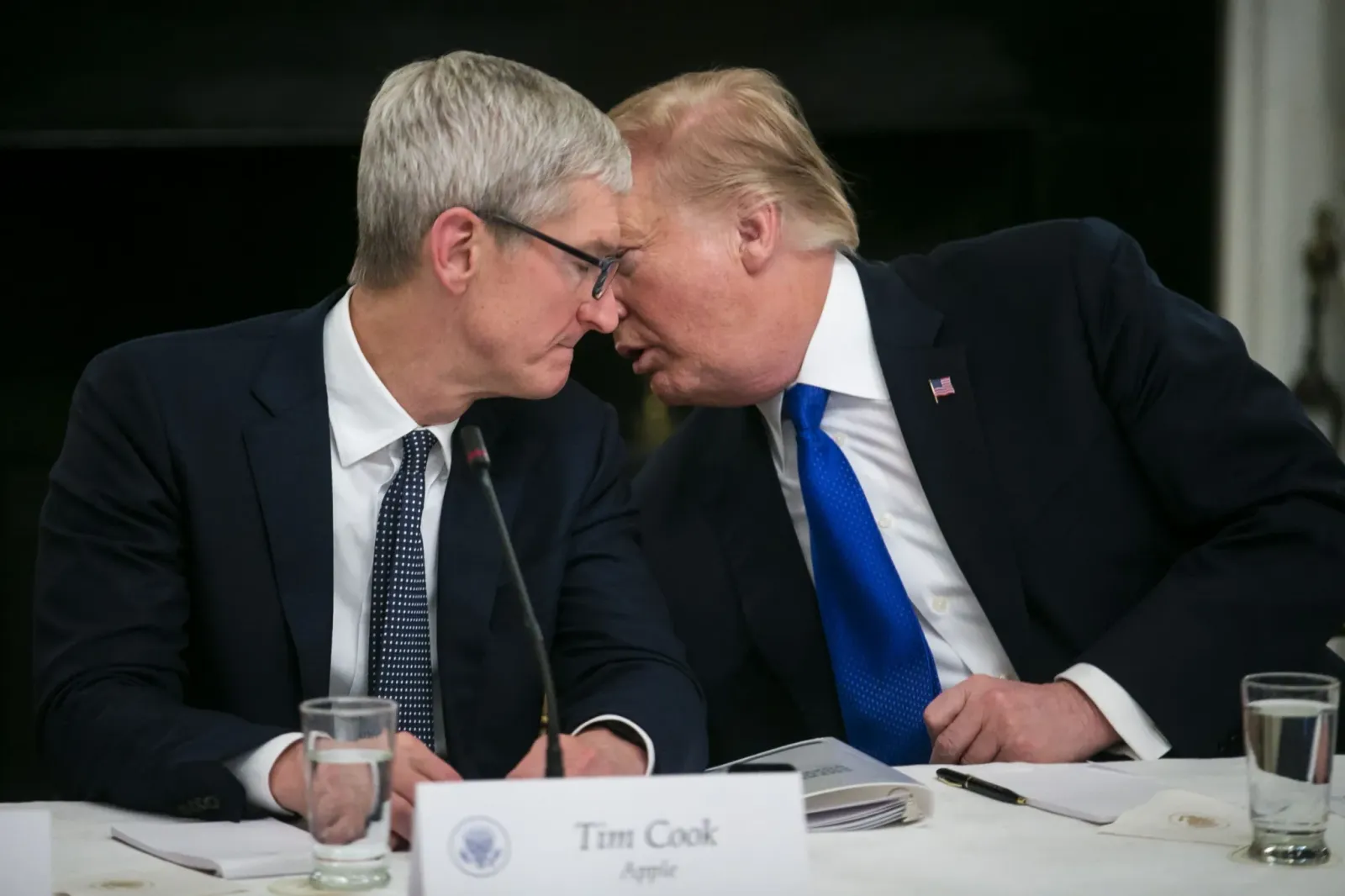
Tim Cook steps down as Apple CEO, stays on as chair with $45M equity
The 'Trump whisperer' keeps his White House and Beijing access as Apple navigates tariffs and a $4.6 trillion market cap.
Snowflake shares surge as AI data demand crushes estimates, lifting full-year forecast
Stocks jumped on stronger-than-expected guidance, signaling enterprise AI workloads are accelerating faster than Wall Street priced in.
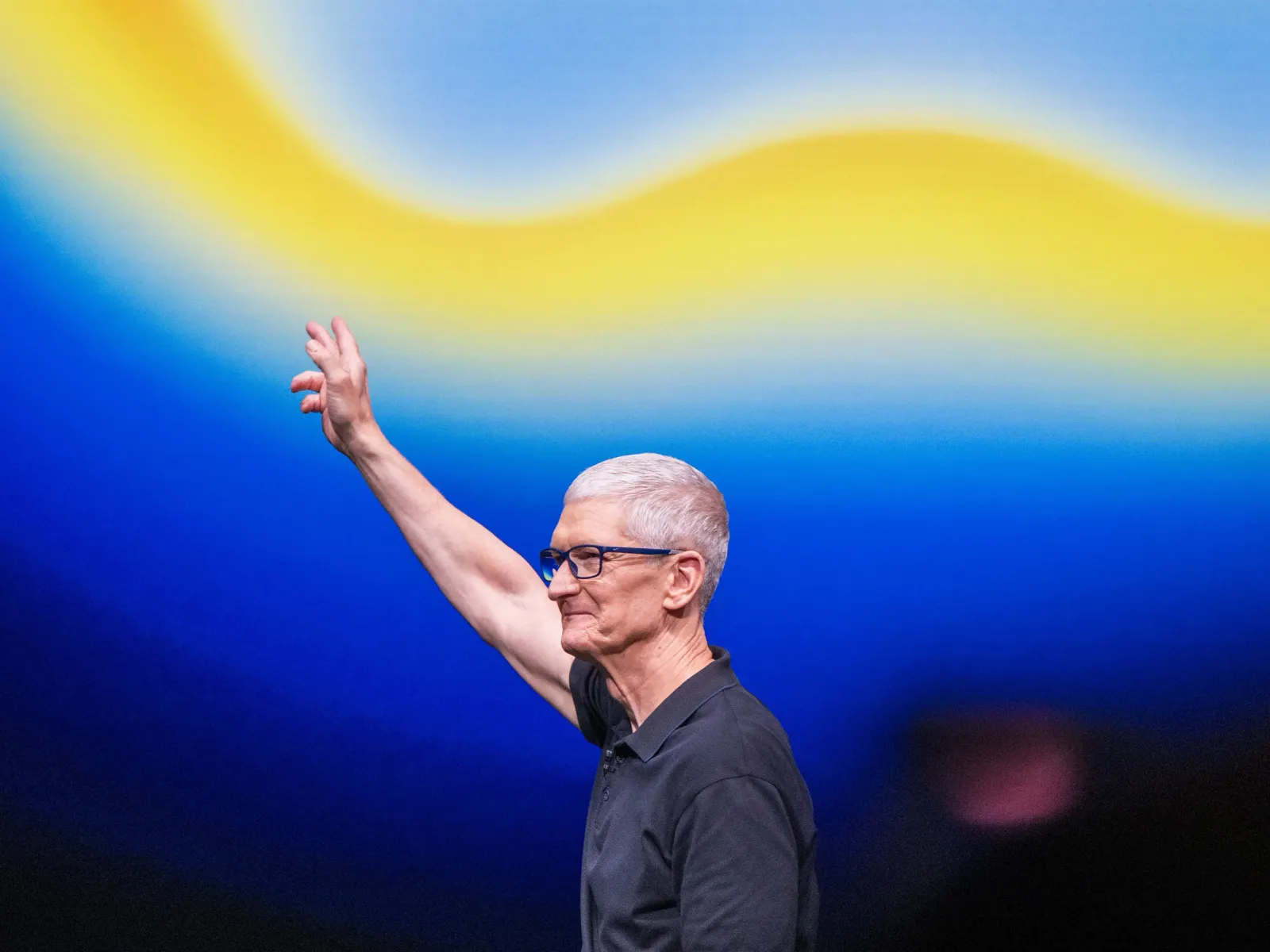
Tim Cook's 15-year Apple CEO run ends: 3 lessons for any successor
After 15 years, Tim Cook hands Apple to John Ternus - here's how he turned a $350B company into a $4.6T juggernaut.