

Matrix Co-Creator Lilly Wachowski Blesses Sequel, Steps Back
Lilly Wachowski says the new Matrix 5 director wants her blessing-and she's ready to hand it over, but not her involvement.

Lilly Wachowski, co-creator of The Matrix, has publicly stated she wants to give her blessing to the director of the upcoming fifth film, signaling a clean handoff of the franchise's creative legacy. Her comments confirm she will not be involved in the project, a decision that carries weight for Warner Bros. and the new director as they navigate fan expectations and the series' philosophical DNA.
Lilly Wachowski is done. Not bitter, not reluctant-just done. The co-creator of The Matrix, the film that rewired action cinema and philosophy for a generation, says the director of the upcoming fifth installment wants her blessing. She's ready to give it. But she won't be in the room. She won't be reading drafts. She won't be on set. The torch is passing, and she's letting it go without a backward glance.
That's the headline. The subtext is more interesting. Wachowski's comments, made in a recent interview, land at a delicate moment for Warner Bros. The studio is betting big on a franchise that hasn't had a universally embraced entry since the original 1999 film. The fourth movie, The Matrix Resurrections, directed by her sister Lana, split audiences and critics. It was bold, messy, and meta-a meditation on legacy and corporate resurrection that felt more like a eulogy than a revival. Now the studio wants a fifth, and it's turning to a new director. That director, reportedly Drew Goddard, is smart enough to ask for the blessing of the person who started it all. And Lilly is smart enough to give it without strings.
What does a blessing actually mean in Hollywood? It's not a contract. It's not a credit. It's a signal. It tells the fanbase that the original creator doesn't see this as a desecration. It tells the new director that the old guard isn't going to snipe from the sidelines. It tells the studio that the legacy is transferable. Lilly's blessing is a permission slip for the franchise to evolve without her. That's rare. Most creators cling to their worlds, especially ones that generated billions. She's walking away with grace, and that's a power move in itself.
The deeper story is about ownership and identity. The Matrix was never just a movie series. It was a philosophical framework-a way of talking about reality, control, and liberation. Lilly and Lana built that framework together. Lana returned for the fourth film, but Lilly stayed away. She's been open about the toll the franchise took on her, and about her desire to explore other stories. Her absence from Resurrections was felt. The film was unmistakably Lana's-more romantic, more elegiac, less punk. A fifth film without either Wachowski could easily lose the thread. But Lilly's blessing suggests she trusts the new director to find his own thread, not to imitate theirs.
For the new director, this is both a gift and a trap. The gift is legitimacy. The trap is expectation. Fans will parse every frame for Wachowski DNA. They'll ask if the new film honors the original's subversive spirit or just its bullet-time aesthetics. Lilly's blessing doesn't inoculate the director from that scrutiny. It just gives him a running start. He'll need it. The Matrix is a franchise that has always been about the danger of comfortable narratives. A fifth film that plays it safe would betray the very ideas that made the first one great. The director has to take risks, and he has to do it with the blessing of a woman who built her career on risk.
There's also a business angle. Warner Bros. is in a strange position. They own a property that is both a crown jewel and a cautionary tale. The Resurrections underperformed at the box office, partly due to the pandemic, partly due to mixed reception. Yet the brand still has enormous cultural equity. A new Matrix film is a bet on nostalgia, but it's also a bet on reinvention. Lilly's blessing lowers the risk. It gives the studio cover with the core fanbase. It also gives them a clean narrative: the original creator approves. That's worth millions in marketing alone.
But the most striking thing about Lilly's comments is how unburdened she sounds. She's not negotiating. She's not hinting at a return. She's not leaving the door open. She's saying, in effect, that the Matrix belongs to the next generation. That's a rare kind of clarity. Most creators spend their careers trying to reclaim their early work. She's spending hers letting it go. In a culture obsessed with sequels, reboots, and extended universes, her stance is almost radical. It's a reminder that sometimes the most creative act is knowing when to stop.
The practical takeaway for executives is simple: a blessing is a strategic asset. When a founder or original creator publicly endorses a transition, it de-risks the project. It signals continuity without requiring control. It allows the new team to move forward without the shadow of the old guard. Lilly Wachowski just gave Warner Bros. and Drew Goddard that gift. The question is whether they'll use it wisely. If they do, the fifth Matrix could be the first film in the franchise to stand on its own since the original. If they don't, the blessing becomes a footnote in a cautionary tale. Either way, Lilly has already moved on. That's the real story.
This story's Key Insights and Take-aways are locked.
Create a free account to unlock Executive Actions for one credit.
Register to UnlockAlways free for Executives Club members. Join the Club
More in Business

Amazon Prime Air 767 overshoots Miami runway, killing at least 5
The Boeing 767 freighter from San Juan struck vehicles and erupted in flames, prompting a ground stop and a fresh NTSB investigation into Amazon's air cargo network.

Death sentence for TV presenter Sarah Khalifa: Egypt's drug case hits media
The sentencing of Sarah Khalifa and 11 others underscores the severity of Egypt's anti-drug laws and the exposure of public figures to capital punishment.
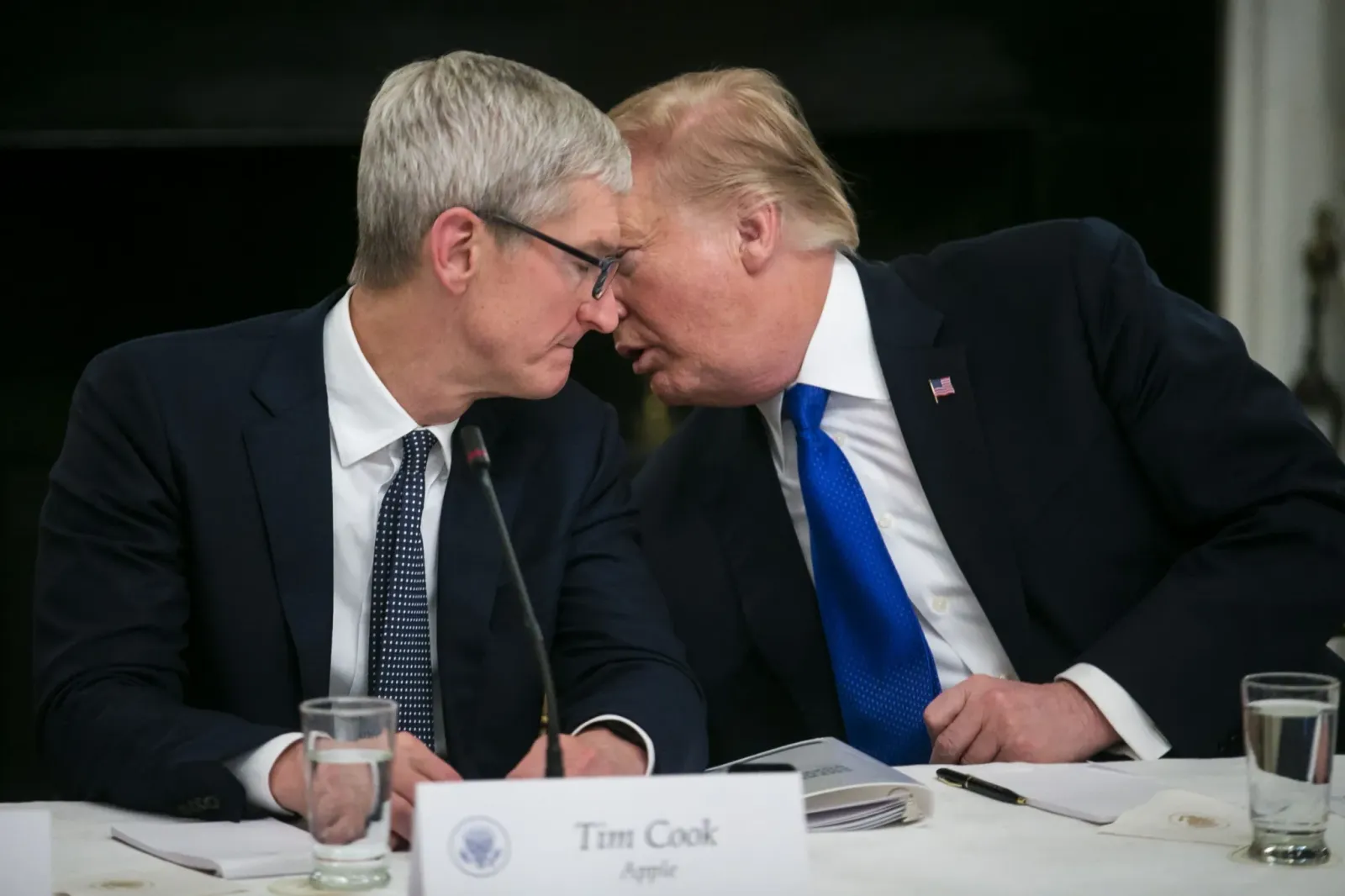
Tim Cook steps down as Apple CEO, stays on as chair with $45M equity
The 'Trump whisperer' keeps his White House and Beijing access as Apple navigates tariffs and a $4.6 trillion market cap.