
McKesson Bets Another $2.25B on Cancer Care With Precision Medicine Buy
The healthcare giant is doubling down on oncology, betting that targeted therapies and data will reshape how cancer drugs reach patients.

McKesson is acquiring a precision medicine company for $2.25 billion, deepening its oncology push. The deal signals that distribution giants see cancer care as a growth engine, not just a clinical niche.
McKesson is putting another $2.25 billion on the table to own more of the cancer care pipeline. The healthcare distribution giant announced it will acquire a precision medicine company, adding a platform that helps match patients with targeted therapies. This is not a small tuck-in. It is a statement that oncology is where McKesson sees its future, and it is willing to pay up to get there.
For context, this is the latest in a string of oncology-focused moves from McKesson. The company has been building out its cancer care ecosystem for years, from distribution to practice management to clinical research. The $2.25 billion price tag signals that McKesson is not just buying a tool. It is buying a data advantage. Precision medicine is about matching the right drug to the right patient, and that requires both genetic testing and a way to act on the results. McKesson wants to own that connection.
The deal also reflects a broader shift in how cancer drugs are developed and sold. Historically, oncology drugs were blockbusters designed for broad patient populations. Today, the science is moving toward targeted therapies that work in smaller, genetically defined groups. That changes the economics of drug distribution. A therapy that only helps 5% of patients is harder to sell, but it is also more valuable to the patients it does help. Companies that can identify those patients and get the drug to them quickly have a real edge.
McKesson's move is also a bet on the data layer of cancer care. The company already touches a massive amount of the U.S. drug supply chain, and it has deep relationships with manufacturers, providers, and payers. Adding a precision medicine platform gives it a new way to generate insights from that data. That could help McKesson negotiate better with drugmakers, support its oncology practices, and potentially build new services around treatment decisions.
For competitors, the message is clear: scale in oncology is no longer just about distribution. It is about intelligence. Companies like Cencora and Cardinal Health, which compete with McKesson in drug distribution, will have to decide whether they need their own precision medicine capabilities. The same goes for specialty pharmacies and lab companies that want a seat at the table. The cost of entry is rising.
There is also a regulatory angle. Precision medicine touches on genetic data, which is sensitive. The U.S. has rules around health data privacy, and any platform that stores or analyzes genetic information will face scrutiny. McKesson will need to show that it can handle that responsibility, especially as it integrates the platform into its broader data infrastructure. That is a risk, but it is also a moat. Companies that can navigate the regulatory landscape will have an advantage over smaller players.
The deal also fits a pattern of consolidation in cancer care. Hospitals, health systems, and private equity firms have been buying oncology practices and clinics for years. The logic is simple: cancer is one of the few areas where demand is growing, and the margins are better than in primary care. McKesson is applying that logic to the distribution and technology side of the market. It wants to be the backbone of cancer care, not just a supplier.
For executives watching from the sidelines, the takeaway is that oncology is becoming a platform business. The winners will be companies that combine distribution, data, and clinical services. McKesson is spending $2.25 billion to make sure it is one of them. The question for peers is whether they can afford to wait.
This story's Key Insights and Take-aways are locked.
Create a free account to unlock Executive Actions for one credit.
Register to UnlockAlways free for Executives Club members. Join the Club
More in Business
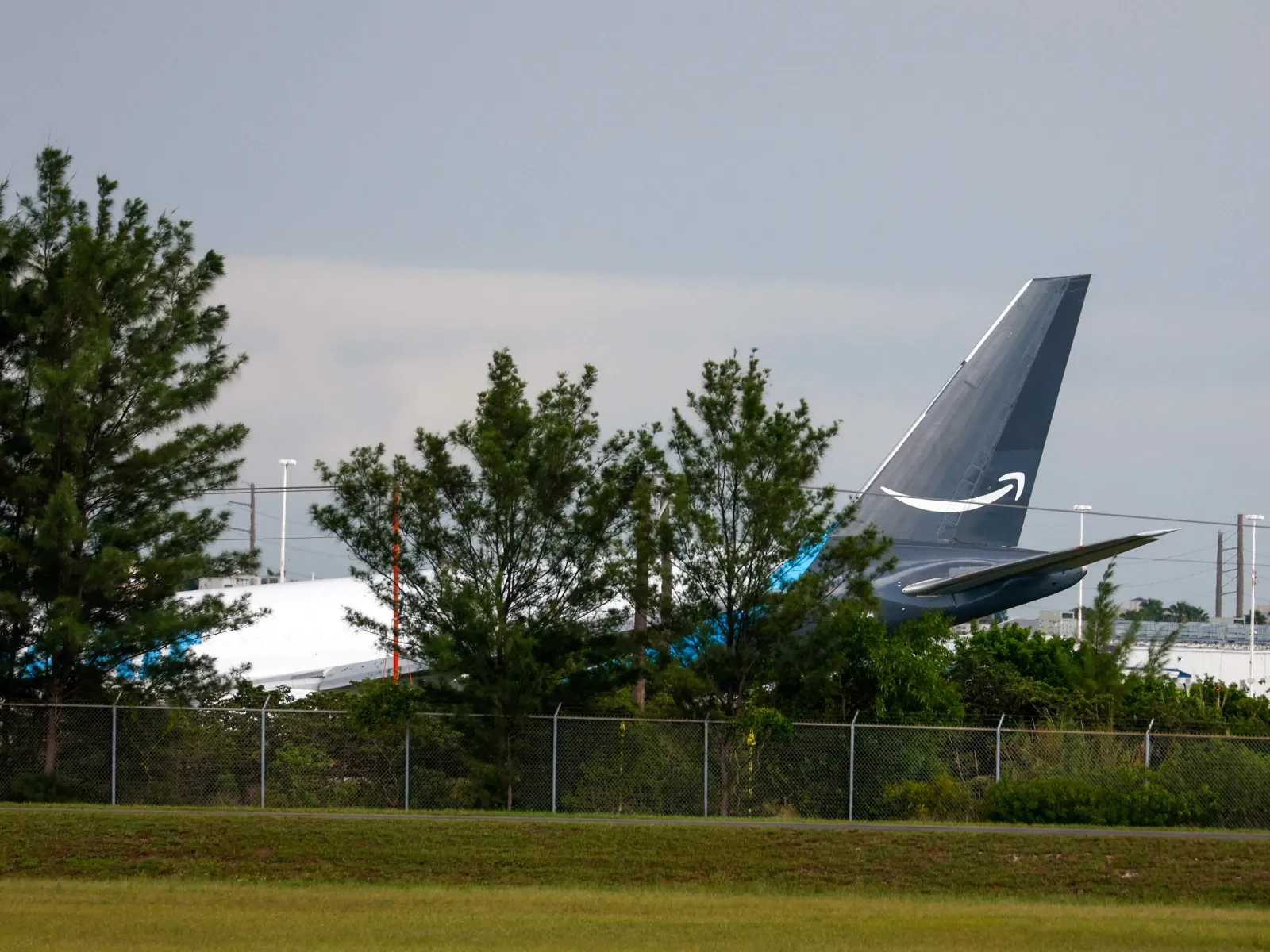
Amazon Prime Air 767 overshoots Miami runway, killing at least 5
The Boeing 767 freighter from San Juan struck vehicles and erupted in flames, prompting a ground stop and a fresh NTSB investigation into Amazon's air cargo network.

Death sentence for TV presenter Sarah Khalifa: Egypt's drug case hits media
The sentencing of Sarah Khalifa and 11 others underscores the severity of Egypt's anti-drug laws and the exposure of public figures to capital punishment.

Tim Cook steps down as Apple CEO, stays on as chair with $45M equity
The 'Trump whisperer' keeps his White House and Beijing access as Apple navigates tariffs and a $4.6 trillion market cap.