
Meccha Chameleon sells 1 million copies in four days, and it wasn't subtle
A $5 Steam hit turns hide-and-seek painting into a streamer-fueled sales rocket, with multiplayer momentum to match.
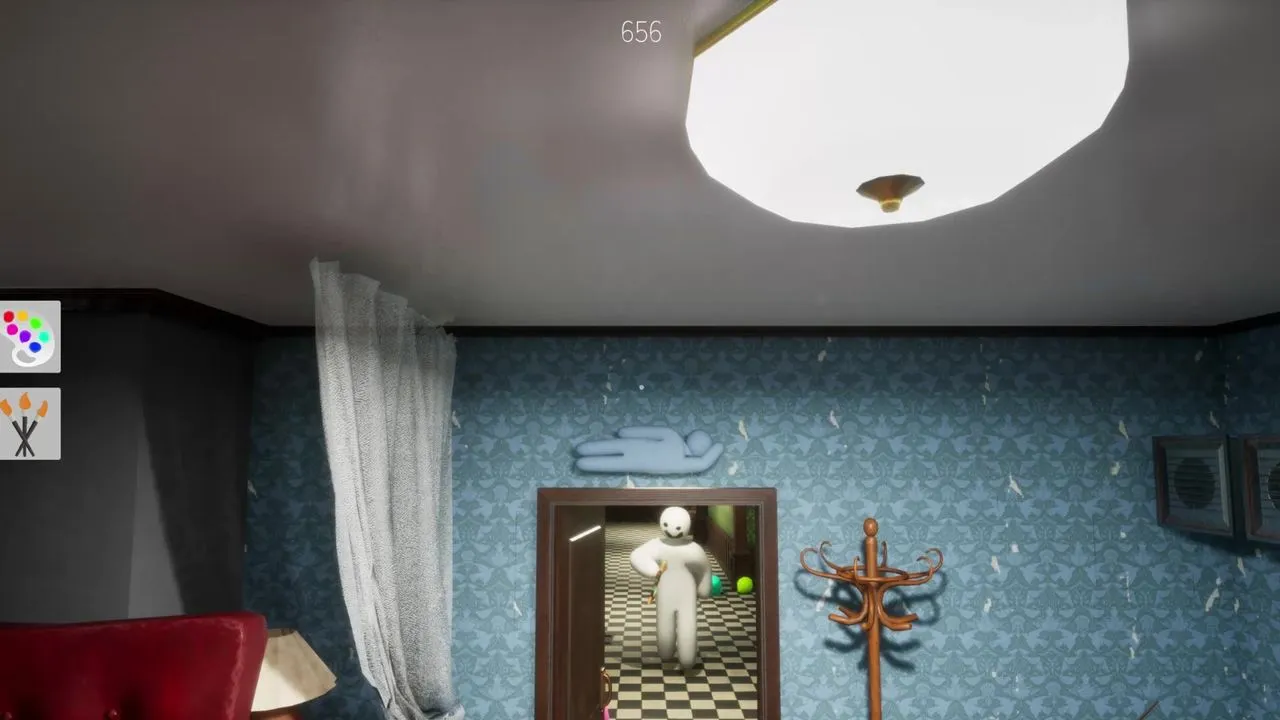
Meccha Chameleon, an indie hide-and-seek game on Steam, sold a million copies in four days after launch. For decision-makers, it is a reminder that cheap multiplayer concepts can convert attention into revenue almost instantly.
Meccha Chameleon hit a million copies sold in just four days, landing as an indie smash that feels almost too fast for something built on silliness and timing. The developer behind the game, lemorion_1224, publicly thanked players in a short Steam community blog post, writing “Thank you so much for playing!” That sales pace is the story here, because it signals a repeatable pattern: the industry is rewarding small teams that deliver a clear, streamable loop and let the crowd do the marketing.
At a glance, Meccha Chameleon sounds like the kind of concept you would expect to work only in 30-second clips: a hide-and-seek PvP party game where you start as a featureless, white, blobby biped and then paint your body in real time using a color wheel to blend into your surroundings. The game splits players into seeker and hider teams, with seekers winning if they find everyone before time runs out. That straightforward objective, combined with a visual mechanic that screams “watch this,” is exactly why a title like this can spike quickly on platforms where thumbnails and reaction clips matter.
The developer appears to be leaning into that reality. Meccha Chameleon “supports public matches and streaming,” according to the game description on Steam. It also includes a “required” guideline on the Steam page urging streamers to include the game’s name in the title of their livestreams. Whether that wording is enforceable is unclear, but the intent is not subtle: it is trying to engineer discoverability where attention converts into sales.
This is also why the game’s existence feels like it fits into a broader indie wave. PC Gamer describes it as a lobby-based PvP party game, and it is easy to see why players might group it alongside other low-cost, multiplayer-focused hits that sell “like gangbusters” right as they hit the scene. The funnel is built in. Search YouTube, and you are met with garish-color thumbnails and shocked expressions. Those visuals are not just style, they are the proof. People want to see whether the blending mechanic fools the seeker in real time.
There is a design detail that helps explain the speed of adoption: the painting mechanic is not only cosmetic. The trailer highlights techniques that rely on convincing camouflage, like disguising yourself as the shadow on an exit sign, or clinging to a brick wall and replicating its coloring. For executives used to thinking in terms of retention metrics and content roadmaps, the key point is simpler: the game generates replayable moments because each round can produce a new kind of “did that actually work?” outcome. When gameplay produces teachable, clip-ready plays, streaming becomes less like marketing and more like distribution of proof.
Price matters too, and the game is positioned as a low-friction buy. Meccha Chameleon is available on Steam for just under $5. In the source, PC Gamer notes that whether you see that as four bucks or five bucks, it is basically five dollars either way. Low price plus high entertainment density is a powerful combo for indie launches because it shortens the mental distance between “this looks fun” and “I will try it now.” When that distance collapses, you can get a sales jump that looks unnatural to anyone still thinking about launches as slow-burn events.
For boards and operators watching the sector, Meccha Chameleon is a case study in incentives and feedback loops. The game is built around public matches, streaming-friendly presentation, and a mechanic that naturally produces standout video moments. The developer then reinforces the loop with Steam messaging and streamer requirements, aiming to pull creators into the discovery engine. If you are managing studios, investing in teams, or making go-to-market decisions at publishers, the second-order takeaway is that “community distribution” can be more than branding. In this example, community distribution appears to be a direct driver of revenue acceleration, measured in a million copies in four days.
The strategic stakes extend beyond one quirky hide-and-seek idea. If your portfolio, pipeline, or fund thesis assumes indie success needs long timelines, bigger budgets, or complex progression systems, Meccha Chameleon is a counterexample. It suggests that when a game’s core mechanic is instantly legible, visually distinct, and easy to demonstrate on stream, it can convert mainstream attention into sales before most launches even establish their long tail. The question for executives in similar roles is whether you can spot and fund that combination early enough, before the market’s next attention wave moves on.
This story's Key Insights and Take-aways are locked.
Create a free account to unlock Executive Actions for one credit.
Register to UnlockAlways free for Executives Club members. Join the Club
More in Entertainment

Russell Brand's accuser 'bewildered and confused' as he denies 7 sex charges
The criminal case against the comedian is a live test of how media companies manage talent risk when serious allegations go public.

'It's a Magic Trick': Ballet Experts Say Rosalía's SNL Pose Is Impossible
Three ballet experts tell Rolling Stone Rosalía's gravity-defying SNL stillness shouldn't be possible - and why the debate is now part of the show.

Activision CMO: GTA 6 Will Boost Call of Duty, Not Bury It
Activision's top marketer says Rockstar's blockbuster will drive players back to consoles and into Modern Warfare 4, even as the company admits its recent strategy failed.