

Mercedes 416 hp VLE brings a 31-inch 8K Dolby Atmos screen to 2028 living rooms
The Grand Limousine’s specs turn the car interior into a media platform, with real implications for premium EV buyers.
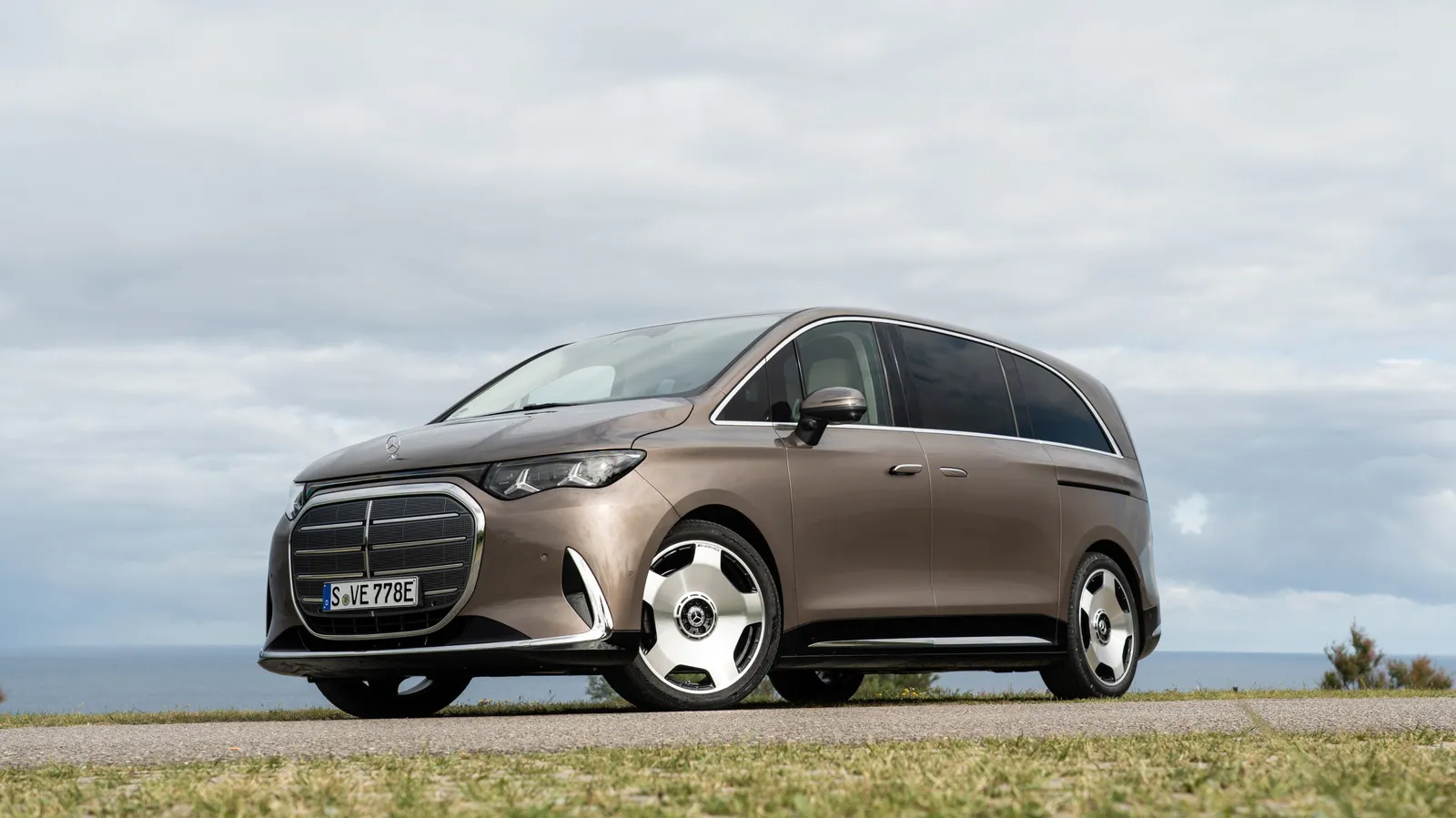
Engadget’s first drive of Mercedes-Benz’s 2028 electric VLE “Grand Limousine” centers on 416 horsepower, a 31-inch 8K screen, and Dolby Atmos audio. For decision-makers, it signals how automakers are competing on user experience, not just range and speed, as premium EV expectations rise.
Mercedes-Benz’s 2028 electric “Grand Limousine,” built on the VLE platform, is arriving with specs that read less like a typical vehicle update and more like a home-theater upgrade. In the first drive described by Engadget, the headline numbers are 416 horsepower plus a 31-inch 8K display. Add Dolby Atmos audio, and the “8K living room on wheels” idea stops sounding like a marketing line and starts sounding like a product strategy.
This is the immediate point: it is not just an EV with an upgraded infotainment screen. It is an EV that aims to make the cabin itself the destination, with a large-format 8K panel and immersive sound. The consequence for buyers is straightforward. If you are paying premium EV pricing, you now get a living-room-like media experience, and the bar for “good enough” interiors moves upward. And if you are a business leader watching premium automotive spend, you get a clearer sense of where differentiation is headed: toward screen real estate and audio immersion, not only powertrains.
To understand why this matters beyond one car, it helps to zoom out to how electric vehicles have changed the competitive chessboard. EVs compress what many customers used to think of as the core differentiators. Acceleration and torque can be matched or surpassed relatively quickly. Range, charging convenience, and software also matter, but those are increasingly table stakes across the category. That pushes brands toward experiences that are harder to copy quickly: a distinctive cabin “ecosystem” that feels personal, immersive, and premium at a glance.
The 31-inch 8K screen is the clearest signal of that direction. Bigger, sharper displays are a natural progression from today’s infotainment offerings, but 8K introduces a new expectation: content that can actually benefit from that resolution. Even if not every car app or media pipeline immediately matches full 8K output, buyers will perceive the intent. They will assume this is built for high-definition streaming, high-end visuals, and a future where the car becomes a consistent viewing space, not just a navigation device.
Dolby Atmos adds a second layer to the same thesis. A high-resolution display gets your eyes, but immersive audio keeps the entire experience cohesive. In practical terms, Dolby Atmos is a selling point because it translates technical capability into a feeling: sound that surrounds you rather than simply playing from the front. For an automaker, that is a powerful lever. It is easier to demonstrate “wow” with audio and visuals than it is to demonstrate, in a quick showroom moment, long-term software roadmaps or future charging infrastructure improvements.
Regulation and policy are part of the background, even if Engadget’s piece focuses on the vehicle experience rather than legal minutiae. As vehicles become more connected and capable of supporting entertainment, regulators in different markets keep weighing safety, distraction risk, and how in-car media functions. That environment does not automatically block big screens, but it shapes how experiences are delivered, when they activate, and how drivers and passengers interact with them. So when a manufacturer commits to a large-format display and premium audio, the company is implicitly betting that it can integrate the tech in a way that fits the safety and usage constraints regulators expect. The business logic is simple: if you can do it without compromising compliance, you can turn the cabin into a differentiator.
There is also an important second-order implication for boards and operators: the technology roadmap behind those features can become a new cost and partner dependency. Screen size and resolution bring supply chain complexity. Audio integration brings licensing and tuning requirements. Once the customer-facing bet is made, the company is under pressure to maintain quality over time. If the cabin experience is the selling point, software updates, content support, and performance optimization become part of the product promise. In other words, the “8K living room” pitch is not a one-off spec sheet item. It becomes an ongoing operational responsibility.
Engadget’s framing suggests that Mercedes is serious about making minivans and family-hauler style utility feel outdated in the premium EV context. The broader market stake is this: if luxury brands successfully reposition the EV cabin as the core entertainment platform, the competitive center of gravity shifts. Other automakers will have to respond, either by matching screen and audio ambitions or by building different, equally compelling experiences. For executives overseeing product strategy, that means decisions about UX, display partnerships, and media architecture are no longer peripheral. They are strategic.
In the end, the most telling part of this first drive is how the specs line up: 416 horsepower for the traditional performance story, paired with a 31-inch 8K screen and Dolby Atmos for the experience story. That pairing is the message. Mercedes-Benz is trying to own how it feels to be inside the car. And if it works with customers, the next competitive cycle will not just be about who has the best range. It will be about who delivers the best cabin immersion, every single trip.
This story's Key Insights and Take-aways are locked.
Create a free account to unlock Executive Actions for one credit.
Register to UnlockAlways free for Executives Club members. Join the Club
More in Technology

Nvidia's $89B data center quarter: the 9 companies cashing in
The AI buildout is minting fortunes beyond GPUs, and memory, cloud, and cooling suppliers are riding the same wave.

Google quietly links your phone number to every Android account on your SIM
Adding a SIM now ties your phone number to all Google accounts - and future accounts inherit it. Here's the security and privacy stakes.

Hijacker AI 'Skynet mode' runs 100,000 attack steps against exposed models
Symantec caught a criminal AI agent that borrows other models, steals data, and mines crypto; the only relief is no confirmed victims yet.