

Met names John Galliano subject of 2027 Met Gala and Costume Institute exhibition
The Met turns John Galliano's fashion influence into spring 2027 programming, with the reckoning built into the exhibit.
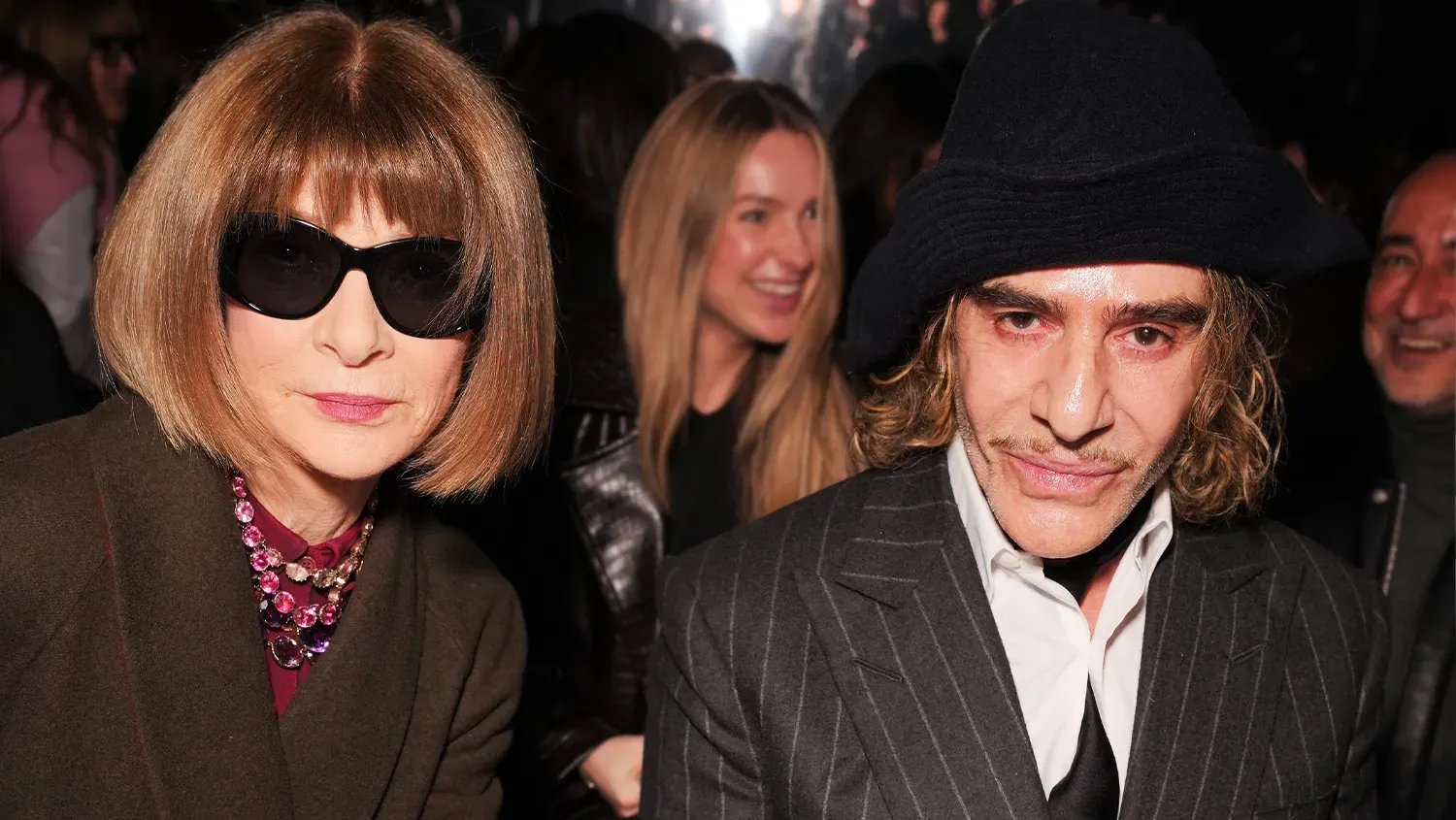
The Metropolitan Museum of Art said Friday that John Galliano will be the subject of the landmark spring 2027 Costume Institute exhibition, John Galliano: Horizons. The Met Gala will celebrate his influence on fashion while also confronting the controversy that reshaped his career, a moment decision-makers across culture and brands will watch closely.
The Metropolitan Museum of Art said Friday that John Galliano will be the subject of its landmark spring 2027 Costume Institute exhibition, John Galliano: Horizons. The annual Met Gala, tied to the Costume Institute, is set to celebrate the acclaimed British designer’s influence on fashion while also confronting the controversy that reshaped his career.
That framing is the whole story. The Met is not positioning Galliano as a pure nostalgia act for fashion fans. It is explicitly building a high-visibility platform that holds two ideas in the same exhibit space: his impact on design, and the fallout from the controversy that changed his career. Galliano becomes just the third living designer to receive this kind of honor, meaning the museum is treating both his creative imprint and his public reckoning as part of fashion’s official historical record.
For executives, boards, and investors, this is a fascinating case study in how major cultural institutions manage legitimacy when a figure’s legacy is contested. The Met is a brand unto itself, and the Costume Institute exhibition schedule is effectively a yearly calendar of what fashion thinks matters. Choosing Galliano signals that the museum believes the conversation around influence and accountability is not something to sideline. It is the content.
There is also a clear incentive structure at play. The Met Gala is not just a party. It is a media engine and a fashion industry showcase that drives attention, buying cycles, and partnerships. When a major exhibit is framed to “confront” controversy, it changes what designers and fashion houses choose to attach themselves to. Creatives planning looks, marketers preparing campaigns, and luxury brands lining up sponsorships all have to interpret the Met’s stance: the museum will not separate artistry from the broader narrative that surrounds public figures.
This is where second-order implications show up for other institutions. When a museum like the Met gives a living designer this level of spotlight, it increases pressure elsewhere to either follow that approach or justify why they would not. Universities, festivals, galleries, and even corporate talent platforms often face similar questions: Do you feature the work, the person, the impact, or the harm? The Met’s choice in spring 2027 suggests a model where the “what” and the “why it’s complicated” are both treated as audience-facing material.
Regulatory and governance angles matter too, even when the story is cultural rather than corporate. In fashion and entertainment, reputations can shift quickly, and institutions can become targets for public scrutiny. Boards at media companies, brand councils, and sponsorship committees typically look for clarity on governance: how controversies are assessed, how stakeholders are informed, and how messaging aligns with the institution’s mission. The Met’s announcement sets up a similar expectation for its leadership, staff, donors, and partners: if the exhibition is marketed around “confronting” controversy, the museum will be expected to deliver substance, not just vibes.
There is another layer: living subjects bring additional volatility. Galliano’s status as one of the few living designers to be honored means the exhibit is happening while his career story remains current and evolving in public memory. That raises the stakes for how the museum balances historical documentation and contemporary sensitivity. Even without inventing details of what the exhibit will include, the structure implied by the announcement is already a commitment to a specific kind of programming discipline.
Strategically, this moment will be watched by peers making similar curatorial decisions. If you run a foundation, manage a museum program, oversee brand collaborations, or sit on a board that allocates cultural sponsorship dollars, the Met’s spring 2027 plan offers a reference point: high-profile influence can be publicly acknowledged, even when the figure’s legacy includes controversy, but only if the institution explicitly “confronts” that controversy rather than avoiding it. The Met is betting that audiences, industry partners, and the broader public can handle a complex narrative where acclaim and accountability coexist, and that the institution can govern that complexity at scale.
In other words: the exhibit is not just about fashion history. It is about the future of how fashion history gets written in public.
This story's Key Insights and Take-aways are locked.
Create a free account to unlock Executive Actions for one credit.
Register to UnlockAlways free for Executives Club members. Join the Club
More in Entertainment

'It's a Magic Trick': Ballet Experts Say Rosalía's SNL Pose Is Impossible
Three ballet experts tell Rolling Stone Rosalía's gravity-defying SNL stillness shouldn't be possible - and why the debate is now part of the show.

Activision CMO: GTA 6 Will Boost Call of Duty, Not Bury It
Activision's top marketer says Rockstar's blockbuster will drive players back to consoles and into Modern Warfare 4, even as the company admits its recent strategy failed.

Justice to Score GTA 6, Share New Song with Tame Impala, SZA, King Gizzard
Rockstar taps the French duo for the GTA VI score, and the first taste is a genre-melting collab with Tame Impala, SZA, and King Gizzard & The Lizard Wizard.