

Meta must sell the AI vision it built with Alexandr Wang, a year later
A year after Meta hired Alexandr Wang for a new AI model strategy, the results are underwhelming, forcing a rethink.
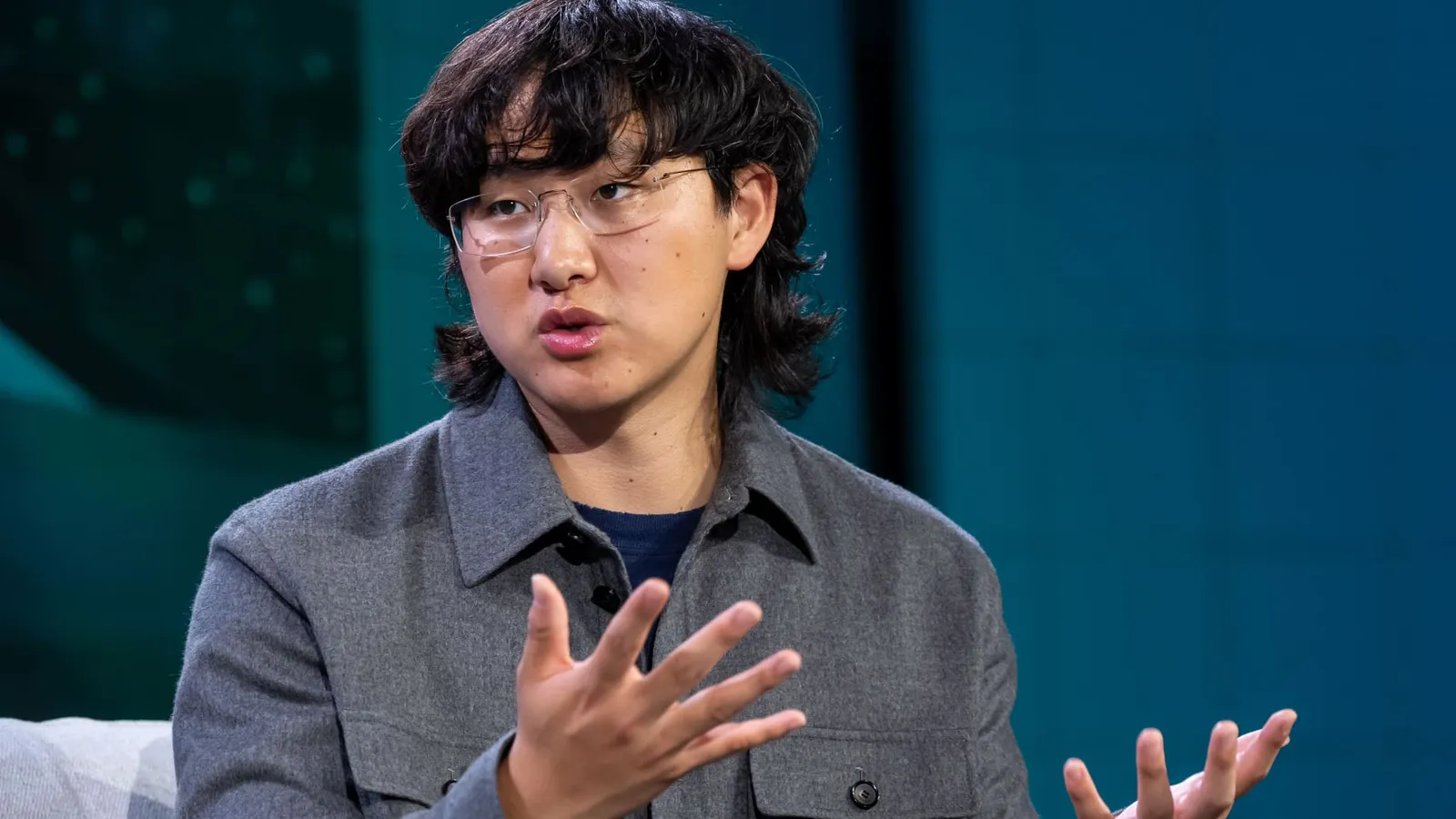
Mark Zuckerberg’s Meta hired AI heavyweight Alexandr Wang about a year ago to oversee a new AI strategy. A year later, the effort’s results are underwhelming, creating immediate pressure on leadership to adjust course.
A year ago, Meta pulled in Alexandr Wang to build out a new AI model strategy. Now, the question Zuckerberg has to answer is the one that comes after big bets: can this actually deliver, or does it have to be unwound? According to CNBC, Zuckerberg’s “mega spending spree” began when he lured Wang to oversee Meta’s AI push, and the results so far are underwhelming.
That “underwhelming” part is the entire story for decision-makers. Meta made a high-signal, high-cost move: it didn’t just iterate quietly, it recruited a heavyweight to steer the work. When a year of execution does not match the scale of the commitment, boards and investors stop asking “are you working on it?” and start asking “what’s the plan, and what changes now?” In this case, CNBC frames the situation as Zuckerberg having to sell the effort, meaning the company faces not only technical scrutiny but also internal credibility problems. In other words, the issue is not only performance. It is narrative, accountability, and how long leadership can keep defending a strategy that is not landing.
To understand why this matters so much, it helps to remember what “tapping talent for AI” signals in big tech. Hiring a known figure in AI is a statement to multiple audiences at once. Internally, it can rally teams around a direction. Externally, it tells investors and competitors that the company is serious about pushing the frontier. The flip side is that such moves tighten the timeline. When you put a famous builder in charge, you cannot hide behind incremental progress for very long. If the output is not compelling, you end up with a capital allocation problem and a management credibility problem, both of which are far harder to fix than a single model iteration.
There is also the market context that raises the stakes. In the past year, AI investment has become a competitive arms race, with companies forced to fund training, infrastructure, and talent while also defending their spending with measurable improvements. “Underwhelming” results, even if they do not mean failure, can translate into slower product impact, weaker monetization, or less differentiation versus rivals. That is exactly where executives get squeezed: they need to justify costs and show progress while competitors keep shipping.
Then come the governance dynamics. When a company spends aggressively and then the results fall short, the pressure often shifts to leadership to “reset” the story. That is what “sell it” implies here, as CNBC ties the need to adjust to the fact that Wang’s oversight period has not produced the kind of payoff leadership was likely expecting after a year. Boards typically want three things in these moments: clarity on what is working, a candid explanation of what is not, and a revised path with milestones that can be audited. From there, investors decide whether the new plan deserves more runway or whether the strategy needs to be scaled down.
Finally, there is the regulatory and public scrutiny layer that always hovers over Meta and its AI efforts. Even when regulators are not focused on a specific model, public companies face pressure about responsible deployment, transparency expectations, and risks tied to AI systems. When results are underwhelming, the downside is not only competitive. It can also be reputational, because the company has fewer tangible benefits to point to while still inviting oversight and criticism. In that environment, leadership choices get harsher. It becomes easier for critics to frame spending as speculative and harder for leadership to defend it with outcomes.
For other executives watching this, the second-order lesson is brutal: AI strategy is not just about building models, it is about timing, credibility, and proving progress in a way that survives boardrooms. A year after Meta tapped Alexandr Wang to oversee a new AI strategy, CNBC says the results are underwhelming and that Zuckerberg has to sell it. If you are running a similar AI-heavy initiative, this is a reminder that the hardest part often arrives after the hiring headline. The real test is whether performance and execution match the scale of the commitment early enough to keep stakeholders aligned.
This story's Key Insights and Take-aways are locked.
Create a free account to unlock Executive Actions for one credit.
Register to UnlockAlways free for Executives Club members. Join the Club
More in Technology

Nvidia's $89B data center quarter: the 9 companies cashing in
The AI buildout is minting fortunes beyond GPUs, and memory, cloud, and cooling suppliers are riding the same wave.

A YouTuber dissected the iPhone Duo and thinks he found crackgate's cause
CuriousHagi's teardown of Apple's foldable reveals a gear-like hinge that may explain why screens crack in the same spot within hours.

Google quietly links your phone number to every Android account on your SIM
Adding a SIM now ties your phone number to all Google accounts - and future accounts inherit it. Here's the security and privacy stakes.