

Meta's $17B teen safety settlement is a 1% tax with a TikTok trap
The $17 billion price tag is pocket change; the design mandates are a lever to force TikTok and YouTube into the same safety cage.
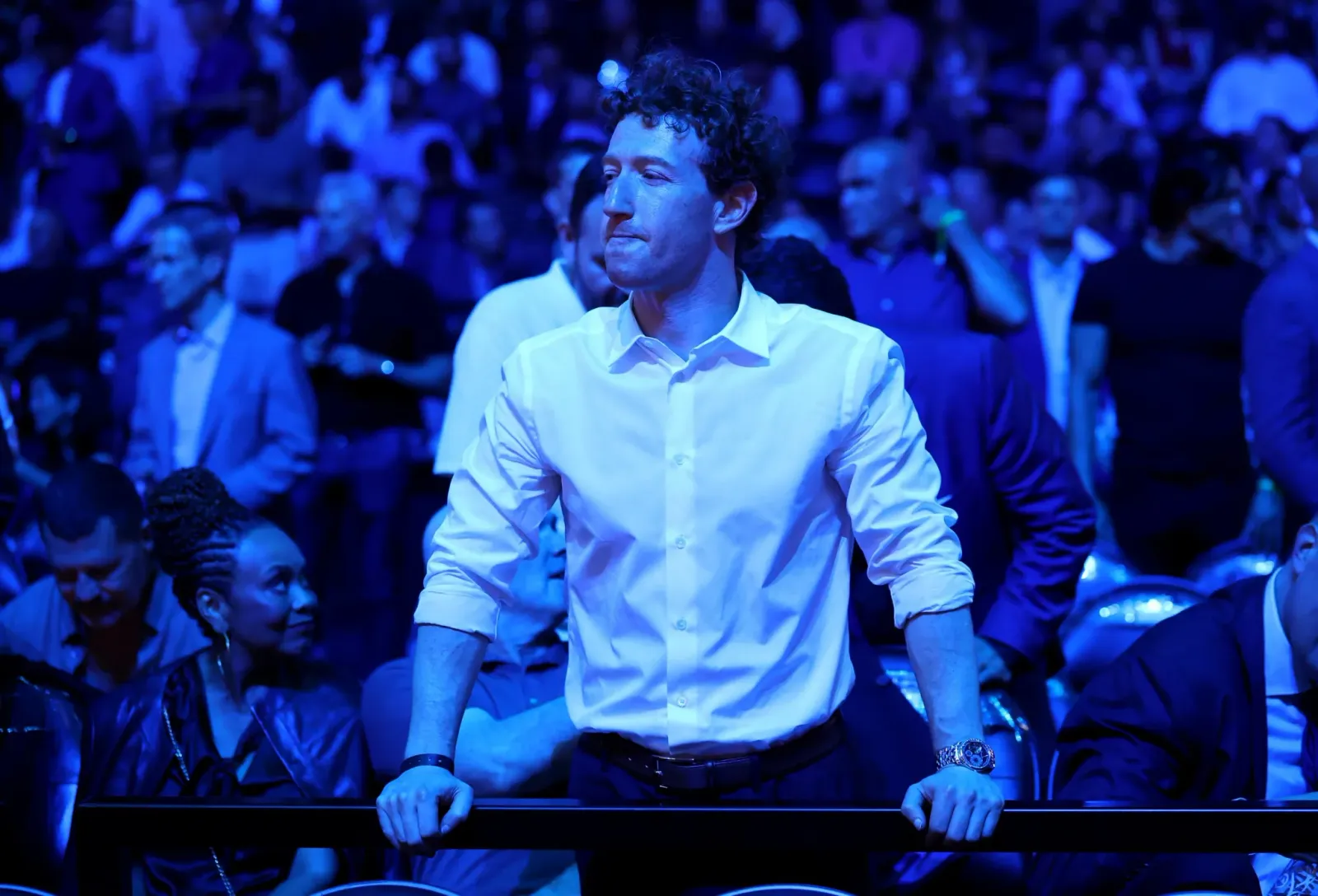
Meta agreed to pay up to $17 billion over 10 years to settle teen safety claims brought by a bipartisan coalition of state attorneys general, announced Aug. 26, 2026. For decision-makers, the settlement's product design mandates are the real story, structured to pressure TikTok and YouTube into adopting similar defaults.
Meta's $17 billion teen safety settlement is, by the company's own math, a rounding error. Spread across 10 years, the payout amounts to roughly 1% of Meta's expected revenue over that same period, and Meta has told investors it won't change financial guidance beyond a single quarterly expense. The real cost is not the cash. It's the redesign.
The settlement, announced Aug. 26, 2026, ends a federal trial in Oakland that had barely begun. But the most strategic detail is hiding in the fine print: Meta's strongest behavioral commitments, a default two-hour daily time limit and an overnight block on app access, are only guaranteed for five years. They extend to 10 with stricter defaults only if YouTube and TikTok sign on. That is a direct play to box in rivals, turning a legal settlement into a competitive lever.
The underlying claims are sweeping. A bipartisan coalition of 47 state attorneys general alleged that Meta deliberately engineered Facebook and Instagram with features like infinite scroll, autoplay, push notifications, likes and appearance-altering filters to exploit adolescent vulnerabilities and maximize engagement. The states also alleged Meta's internal research documented links between Instagram use and depression, anxiety and body-image concerns among young people, while the company publicly minimized or concealed those risks. A third set of claims centered on collecting data from children under 13 without parental consent.
The legal theory matters as much as the facts. For decades, Section 230 of the Communications Decency Act has shielded platforms from liability for user-generated content. The states sidestepped that by suing over Meta's own product design, business practices and alleged misrepresentations. In opening arguments, California's lawyer compressed the case into four words: 'hook,' 'hold,' 'harvest' and 'hide.' That framing, already allowed by courts in Massachusetts, makes product design a site of legal accountability.
The settlement does not resolve everything. In Los Angeles, a jury found Meta and Google liable for negligently designing products that contributed to a teen girl's mental health harms, with damages of $4.2 million against Meta and $1.8 million against Google. Meta is appealing. In New Mexico, the state won judgments totaling more than $900 million against Meta, also under challenge. Neither case was part of the federal trial, so the settlement creates no legal precedent and leaves those exposures open.
The design changes are the substantive core. Teens under 18 in participating states will get a default two-hour daily time limit across both apps and multiple accounts, a block on app access between midnight and 6 a.m., muted notifications during school hours (8 a.m. to 3 p.m.) except for direct messages, usage prompts every 15 minutes of continuous scrolling, the option of a non-algorithmic feed, the ability to turn off autoplay, hidden like counts by default, blocks on cosmetic surgery and extreme makeup filters, and strengthened age detection for under-13 accounts. Many of these are defaults, not optional settings, which lowers the burden on users and changes the architecture of the product.
The money is small, but the enforcement questions are large. An independent auditor will review Meta's compliance annually for only five years, against a 10-year agreement. Meta has also committed to establish an independent research foundation, which could address the long-standing problem of platforms holding the evidence of their own effects while independent researchers are locked out. But key details remain undisclosed: who selects the auditor, what information it can access, whether researchers can reproduce findings, and what penalties follow if Meta complies with the letter while redesigning around the edges. Settlements also foreclose public trials, meaning the internal documents and testimony from Oakland will remain only partially visible.
For executives across social media, the settlement signals that product design is now a legal liability and a competitive battleground. TikTok and YouTube will have to decide whether to sign on to the stricter defaults or risk becoming the next target. The 1% tax is cheap; the redesign is the real price, and it is coming for the whole industry.
This story's Key Insights and Take-aways are locked.
Create a free account to unlock Executive Actions for one credit.
Register to UnlockAlways free for Executives Club members. Join the Club
More in Business
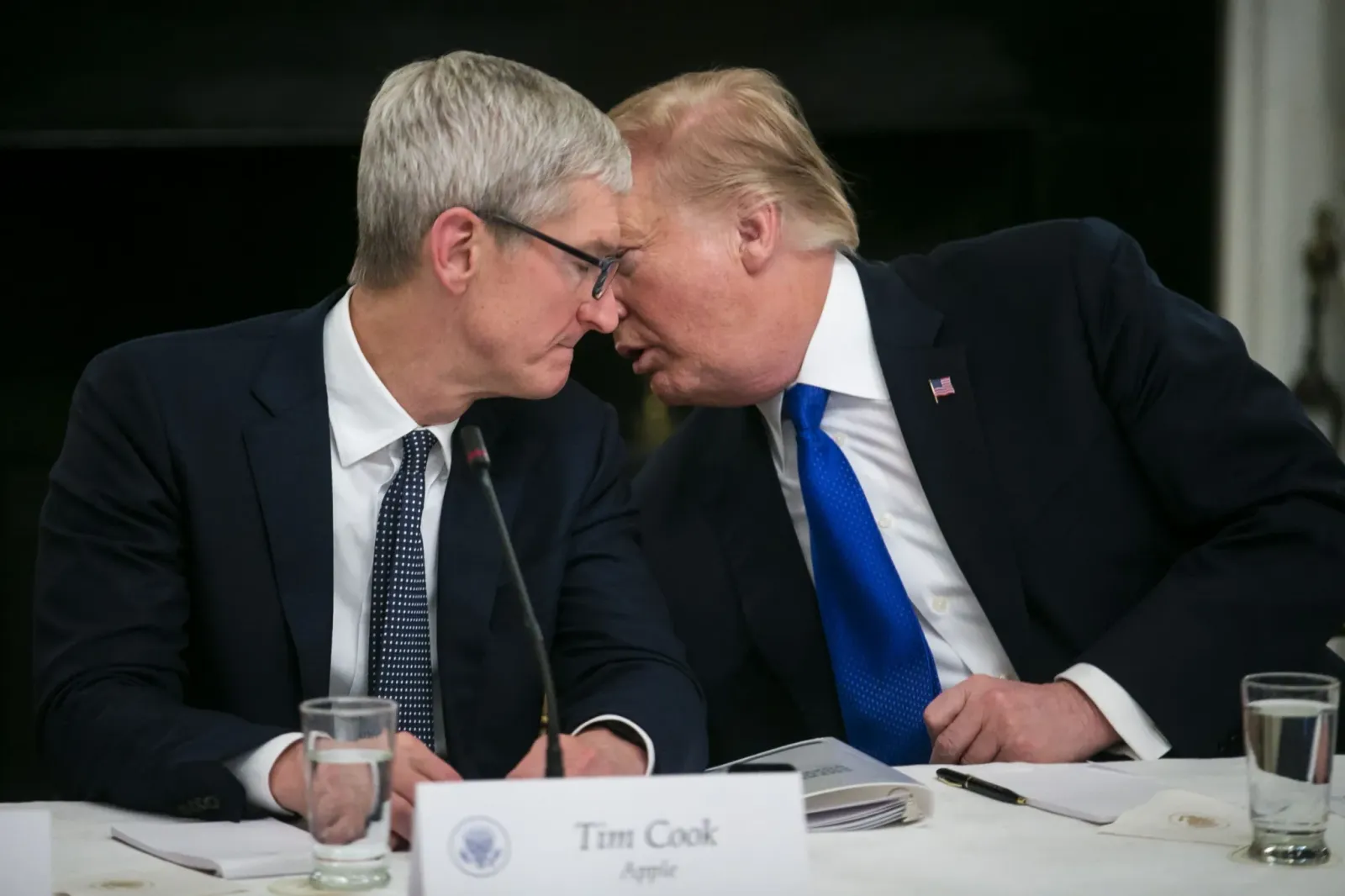
Tim Cook steps down as Apple CEO, stays on as chair with $45M equity
The 'Trump whisperer' keeps his White House and Beijing access as Apple navigates tariffs and a $4.6 trillion market cap.
Snowflake shares surge as AI data demand crushes estimates, lifting full-year forecast
Stocks jumped on stronger-than-expected guidance, signaling enterprise AI workloads are accelerating faster than Wall Street priced in.
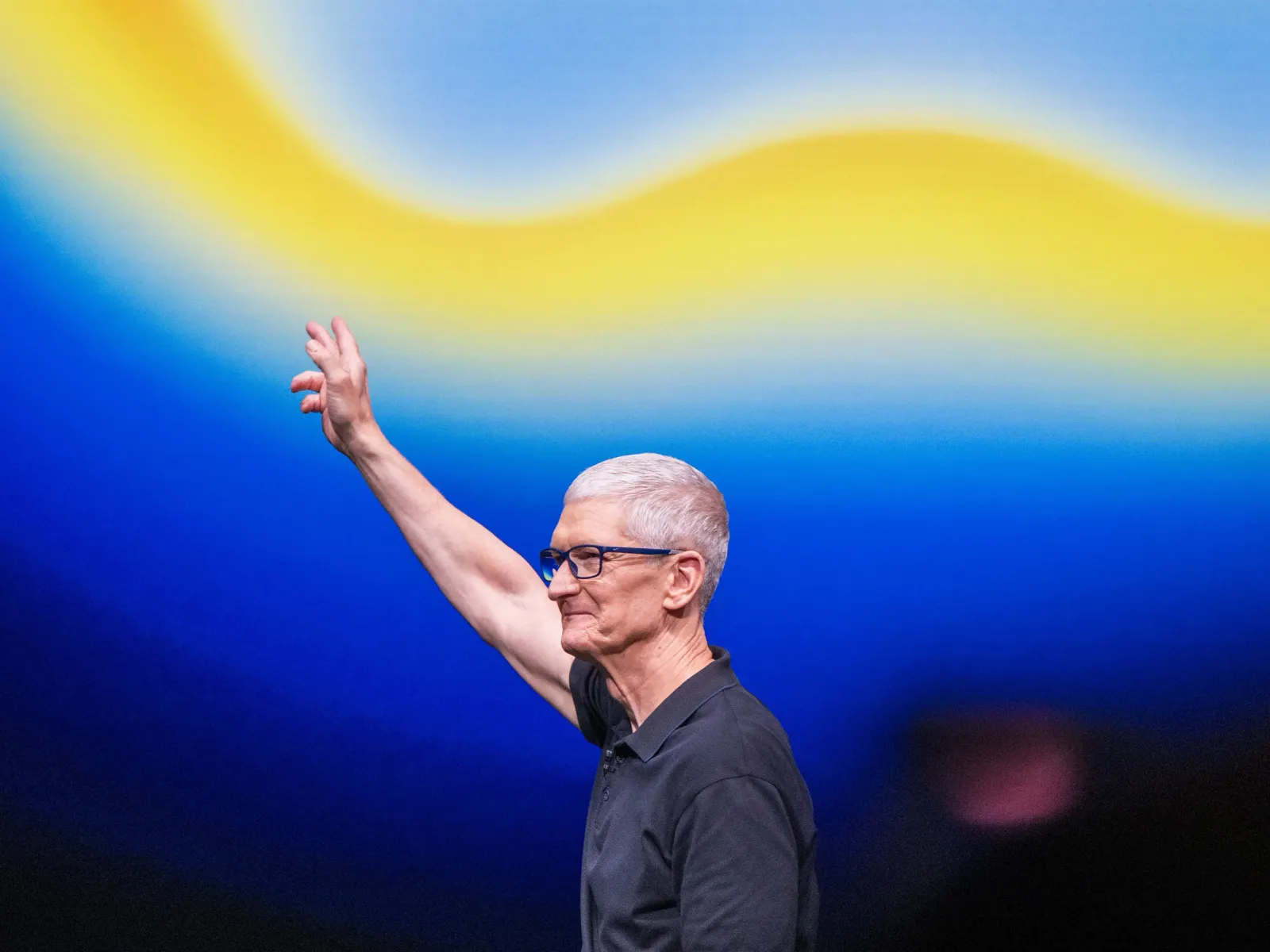
Tim Cook's 15-year Apple CEO run ends: 3 lessons for any successor
After 15 years, Tim Cook hands Apple to John Ternus - here's how he turned a $350B company into a $4.6T juggernaut.