
Meta's $18B settlement: Zuckerberg skips stand, rivals foot $5B
The historic payout caps an eight-day trial, but Meta turned its punishment into leverage: YouTube and TikTok must match the terms or Meta pays less.
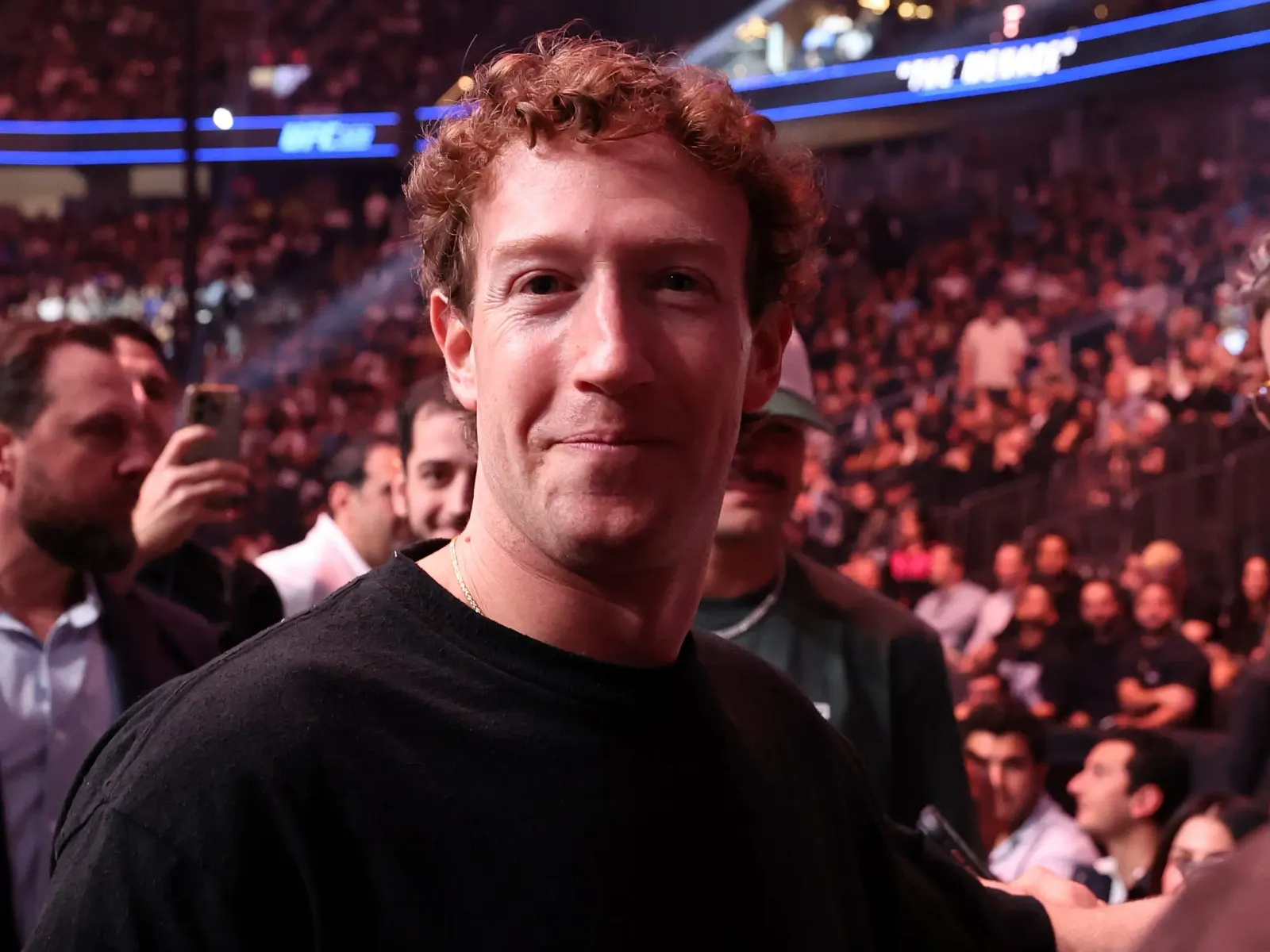
Meta CEO Mark Zuckerberg settled a teen-addiction lawsuit for up to $18 billion, ending an eight-day trial and avoiding testimony. The deal forces YouTube and TikTok to adopt similar restrictions or Meta's payment drops by $5 billion.
Meta agreed to pay up to $18 billion to settle allegations that Facebook and Instagram were designed to addict kids, ending a trial in just eight days and keeping CEO Mark Zuckerberg off the witness stand. The settlement, announced Wednesday, is the largest a Big Tech company has ever paid to states, and it came after four states had sought roughly $200 billion in damages. For Meta, the price tag looks almost trivial: the company made $16 billion in profit in the last quarter alone and over $60 billion in 2025, meaning the entire settlement is less than one-third of a single year's earnings.
But the real genius - or gall, depending on your seat - is in the fine print. Meta will pay roughly 70% of the settlement regardless, but the remaining 30%, more than $5 billion, is contingent on YouTube and TikTok adopting similar teen-safety restrictions and making comparable payments to states. On Thursday, Meta ran newspaper advertisements calling on both platforms to join the company "in supporting teens." One analyst called the settlement a "win" for Meta, and it's easy to see why: the company has turned its own punishment into a competitive lever, forcing rivals to either match its rules or leave Meta holding a smaller bill.
The payment structure itself is a masterclass in financial engineering. Meta's payouts will stretch over a full decade in guaranteed annual installments of roughly $1.17 billion - almost exactly, as one of its former engineering directors noted on X, what its Reality Labs division loses every 24 days. That annual bill represents less than 2% of last year's profit, a rounding error for a company that generates cash like a faucet. The settlement also includes meaningful product changes for teens: defaulting accounts to a two-hour daily limit, offering chronological feeds as an option, blocking features overnight, and silencing most notifications during school hours.
Yet the restrictions come with convenient exceptions. Parents can override the limits, messaging doesn't count toward the two-hour cap and remains available overnight, and videos that run at least 22 minutes don't count either. That last carve-out is particularly telling, since long-form video is where Meta's most engaged users spend their time. The core business of keeping teens hooked - and advertisers paying for their attention - barely has to change. If an outright ban couldn't keep Australian teenagers logged off, as Business Insider's Katie Notopoulos reported, a two-hour timer with a messaging loophole probably won't do much better. In Australia, usage fell after the ban, then climbed back toward pre-ban levels as kids found workarounds; by July, 26% of 13 to 15-year-olds were back on TikTok.
Not every state is buying the "win." Florida refused to join the settlement and plans to keep fighting Meta in court. "Trying to wipe out a decade of harm to the nation's youth with one month's cash flow is an insult," Florida Attorney General James Uthmeier wrote on X. "Corporations like Meta will never learn a lesson if they don't incur real costs for breaking the law." That dissent matters because it signals a fragmented regulatory landscape: while most states accepted the deal, Florida's continued litigation could set a precedent for tougher penalties, and other states may follow.
For executives watching from the sidelines, the Meta settlement is a playbook in how to convert regulatory risk into strategic advantage. By tying 30% of its payment to competitor behavior, Meta has effectively outsourced the cost of industry-wide reform to its rivals. YouTube and TikTok now face a choice: adopt similar restrictions and pay their own settlements, or let Meta's bill shrink while they absorb the reputational damage of being the platforms that didn't. Either way, Meta wins. The broader lesson is that settlements are not just liabilities - they can be structured as instruments of competitive pressure, shaping the rules of the game for everyone else.
The real test will be whether the loopholes hold. If teen engagement metrics barely move, Meta gets credit for reform without sacrificing ad revenue, and rivals are forced to match a standard that doesn't actually change behavior. If regulators notice the carve-outs, they may push for stricter enforcement, and Florida's lawsuit could accelerate that. For now, Meta has bought itself a decade of predictable payments, a CEO who avoided the stand, and a settlement that doubles as a cudgel against its biggest competitors. That's not a bad return on $18 billion.
This story's Key Insights and Take-aways are locked.
Create a free account to unlock Executive Actions for one credit.
Register to UnlockAlways free for Executives Club members. Join the Club
More in Business
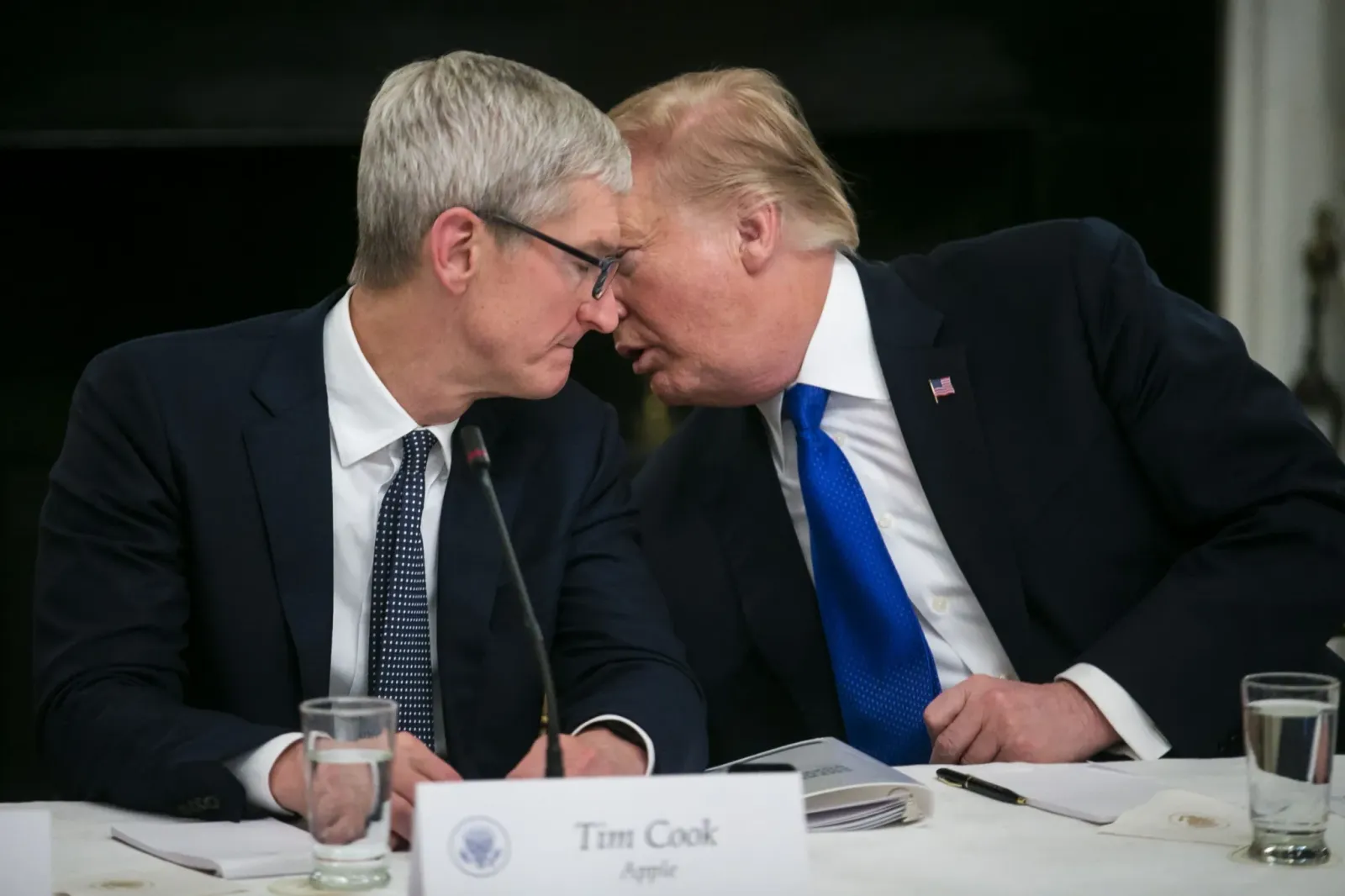
Tim Cook steps down as Apple CEO, stays on as chair with $45M equity
The 'Trump whisperer' keeps his White House and Beijing access as Apple navigates tariffs and a $4.6 trillion market cap.
Snowflake shares surge as AI data demand crushes estimates, lifting full-year forecast
Stocks jumped on stronger-than-expected guidance, signaling enterprise AI workloads are accelerating faster than Wall Street priced in.
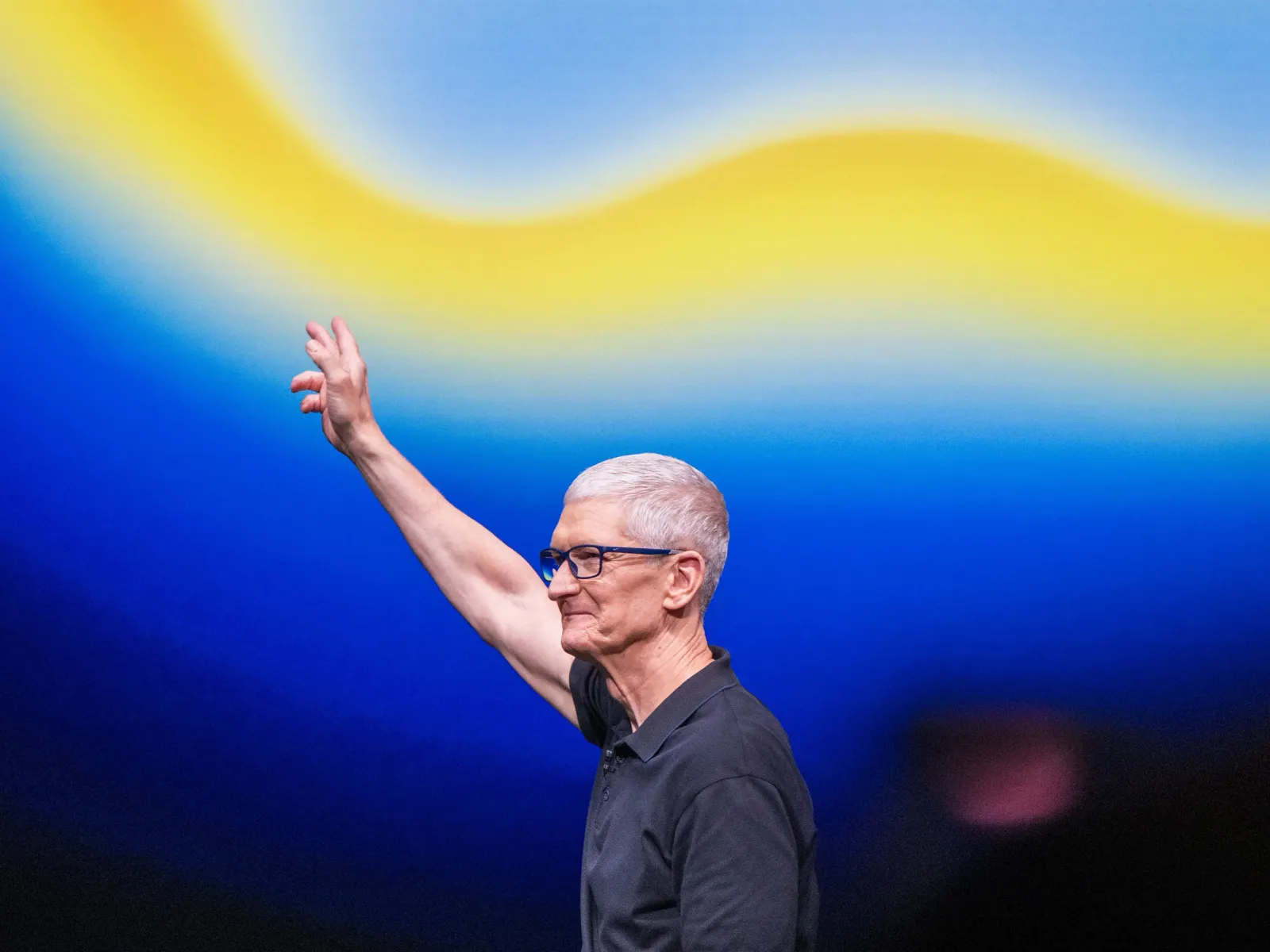
Tim Cook's 15-year Apple CEO run ends: 3 lessons for any successor
After 15 years, Tim Cook hands Apple to John Ternus - here's how he turned a $350B company into a $4.6T juggernaut.