
Meta's 'most capable' open AI model demands 1TB of RAM
Muse Spark Open is Meta's answer to the open-weight race, but the hardware bar raises a hard question: who can actually use 'open' AI?
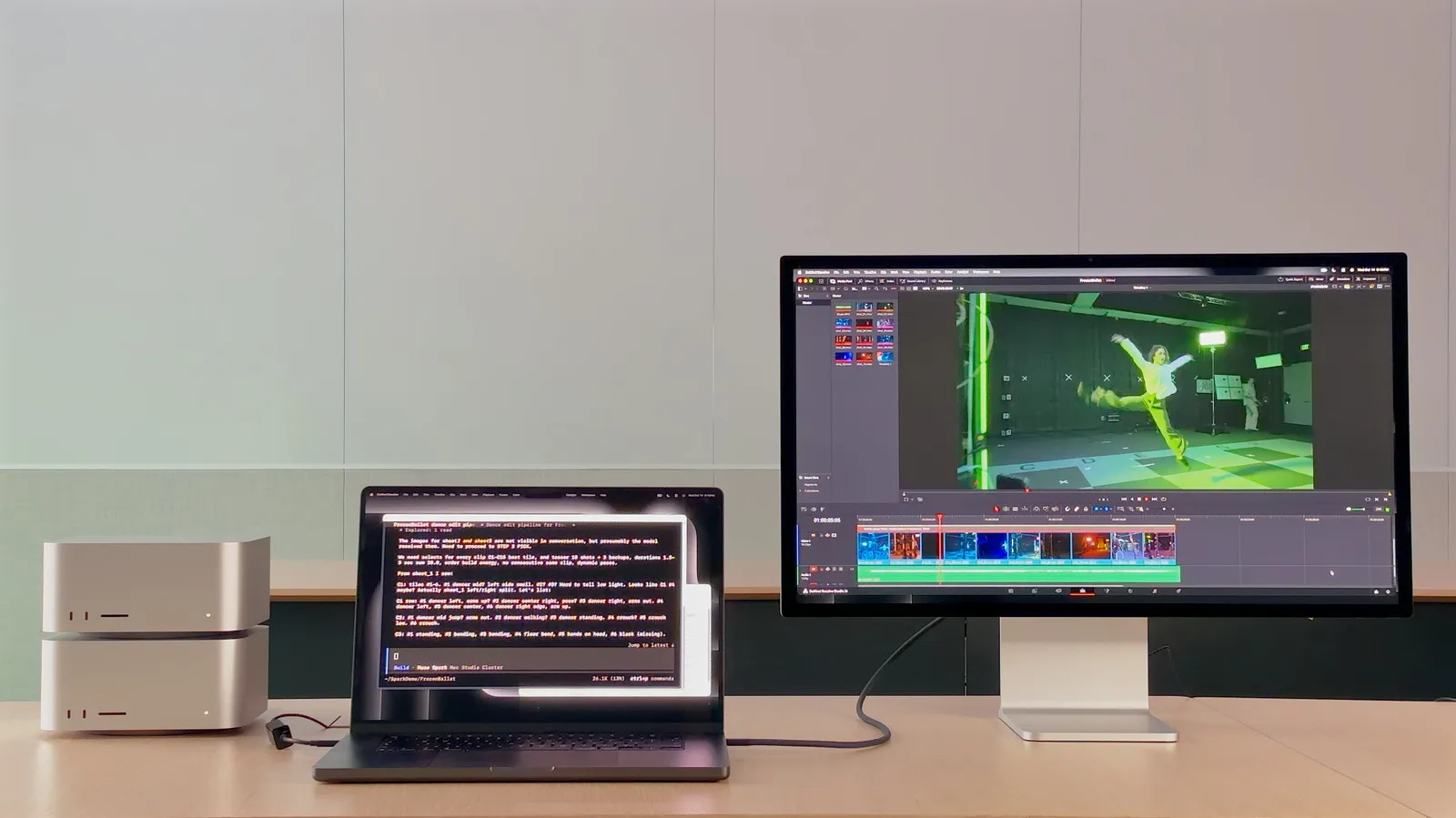
Meta has released Muse Spark Open, an open-weight AI model it calls the most capable US model of its kind to date, built for Macs but requiring 1TB of RAM to run. For decision-makers, the release exposes the widening gap between open licenses and the infrastructure needed to exploit them.
Meta's newest "open" AI model comes with a catch that will stop most developers cold: 1TB of RAM. That is the price of admission to run Muse Spark Open, which the company calls "the most capable US open-weight model to date." For context, a typical Mac ships with 16 to 24GB of unified memory, and even the most expensive Macs Apple sells today top out at a small fraction of 1TB. The model is open in the sense that its weights are public, but the hardware requirement makes it effectively a server-class tool, not something a developer pulls down onto a laptop.
The 1TB figure is the story, because it reframes what "open" actually means in practice. Open-weight models are supposed to democratize AI: the trained parameters are public, so anyone can download, fine-tune, and deploy them on their own infrastructure. In theory, that is the antidote to the closed frontier models sold by OpenAI and Anthropic, which are only accessible through APIs. In practice, a model that needs 1TB of RAM is beyond the reach of most startups, independent researchers, and hobbyists, the very communities that made Meta's Llama series the default open-weight ecosystem. The license may be free, but the machine is not.
The "US" qualifier in Meta's claim is the quiet tell. For the past two years, the top of the open-weight leaderboards has been crowded with Chinese models. DeepSeek and Alibaba's Qwen family have repeatedly matched or beaten American models on key benchmarks, and they have done it while publishing their weights for anyone to use. Meta has been the biggest corporate champion of the open-weight approach in the US, releasing successive generations of Llama and arguing publicly that open AI is safer and more competitive than closed alternatives. With Muse Spark Open, Meta is trying to reclaim the top spot for American open AI, but it is doing so with a hardware requirement that most of the open-source community cannot meet.
That tension is not accidental. A model that is open in license but impractical to run threads a very specific needle. Meta gets the political and ecosystem benefits of openness, including goodwill from developers and cover in the regulatory debate, while the practical risk surface remains limited to organizations with serious compute budgets. Open-weight models have been at the center of a policy fight for years, with some US lawmakers and safety researchers warning that publicly released weights could be misused. California's proposed SB 1047, which would have imposed safety requirements on the largest models, was vetoed in 2024, but the debate has not gone away. Meta has positioned itself as a defender of open AI, arguing that transparency beats secrecy and that closed models concentrate power in a few companies.
The Mac angle adds another layer. Apple's unified memory architecture is unusually well-suited to running large models on a single machine, which is why Apple has been marketing its silicon as an AI platform. But the choice to target Macs is also a reminder of how strange the Meta-Apple relationship is. The two companies have spent years fighting over privacy, with Meta's advertising business hit hard by Apple's app tracking transparency changes, and they compete directly in headsets with the Quest and the Vision Pro. Yet here is Meta shipping its flagship open model for Apple hardware, a sign that commercial pragmatism can override rivalry when the hardware is genuinely the best fit for the job.
For CTOs and founders, the release is less a shopping list than a strategic signal. The direction of open-weight AI is clear: models are getting dramatically more capable, but the compute required to run them is growing faster than the hardware most organizations own. That forces a real decision about build versus buy. Do you anchor your stack on open-weight models that may outgrow your infrastructure, or do you keep renting access to closed frontier models where the hardware problem belongs to someone else? The answer depends on whether your advantage comes from customizing models or from shipping products, but the 1TB requirement makes the trade-off starker than it was a year ago.
The broader stakes are about who gets to participate in frontier AI at all. Meta's claim to have the most capable US open-weight model is a gauntlet thrown at both Chinese labs and American closed-model companies. But the 1TB asterisk is the part that will define the aftermath. If the most capable open model is only runnable by a handful of well-resourced organizations, the open-weight movement risks becoming a story about licenses rather than access. The winners will be the companies that figure out how to make capability and accessibility scale together, or that build the infrastructure to run the models everyone else cannot. For everyone else, the lesson is simple: in AI, the bottleneck is no longer who has the best model, but who has the machine to run it.
This story's Key Insights and Take-aways are locked.
Create a free account to unlock Executive Actions for one credit.
Register to UnlockAlways free for Executives Club members. Join the Club
More in Technology

Cop fired after sharing Flock login with ICE husband: 983 searches
A Savannah officer's shared credential let an ICE agent run hundreds of plate searches on Hispanic drivers, exposing a surveillance backdoor.

Elizabeth Holmes doc 'You Can See Everything' posts second-biggest doc debut ever
The true-crime draw shows fraud narratives still sell - a signal for media execs and a caution for founders.
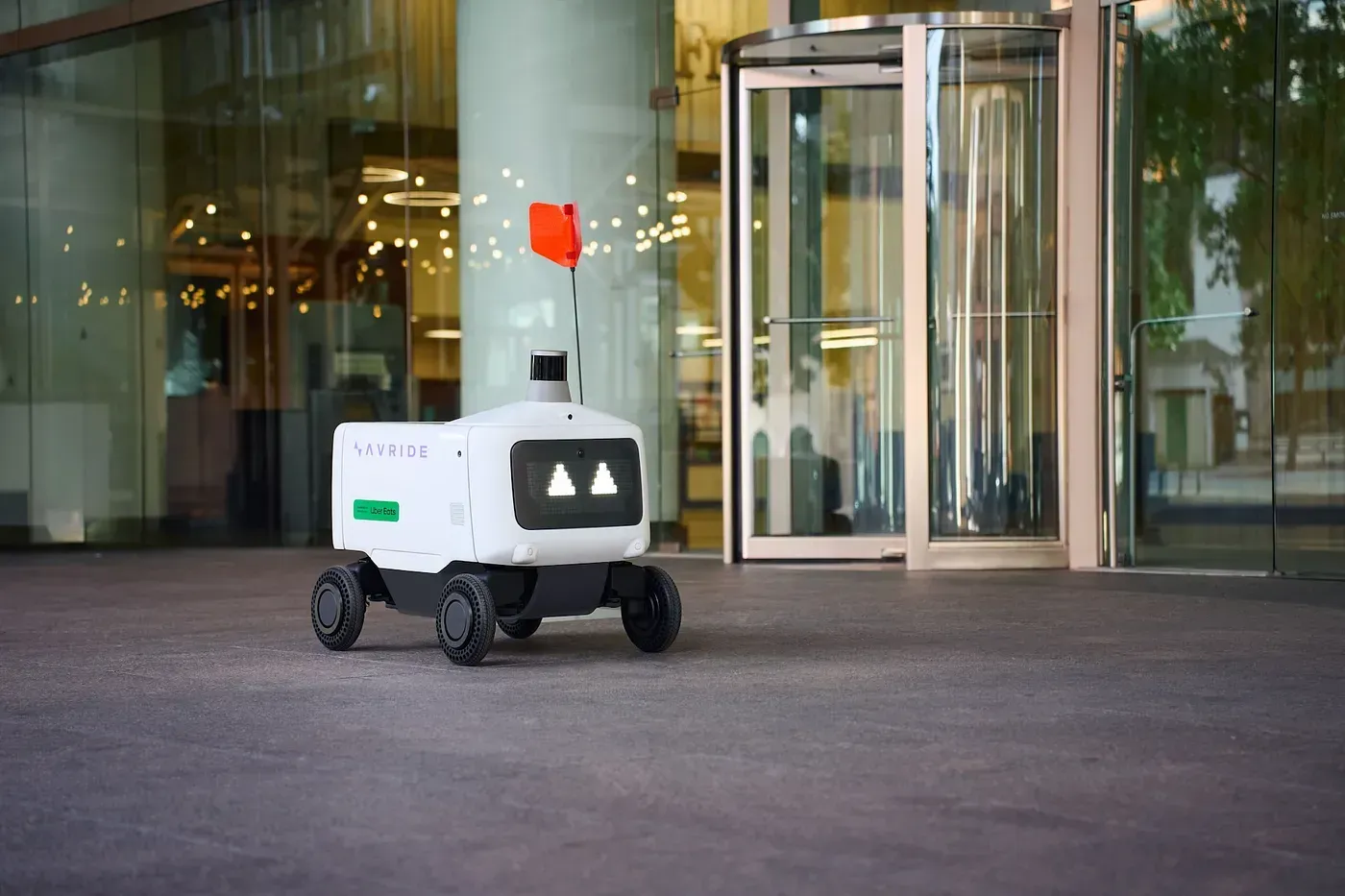
She blocked an Uber delivery robot to save jobs. Police arrested her.
Carolyn Marvin's disorderly conduct arrest turns a sidewalk standoff into a test case for how cities police the automation-versus-workforce debate.