
Meta's Muse tops App Store, beating ChatGPT - Zuckerberg's platform dream returns
Meta's Muse tops the App Store, courting developers while Amazon blocks.
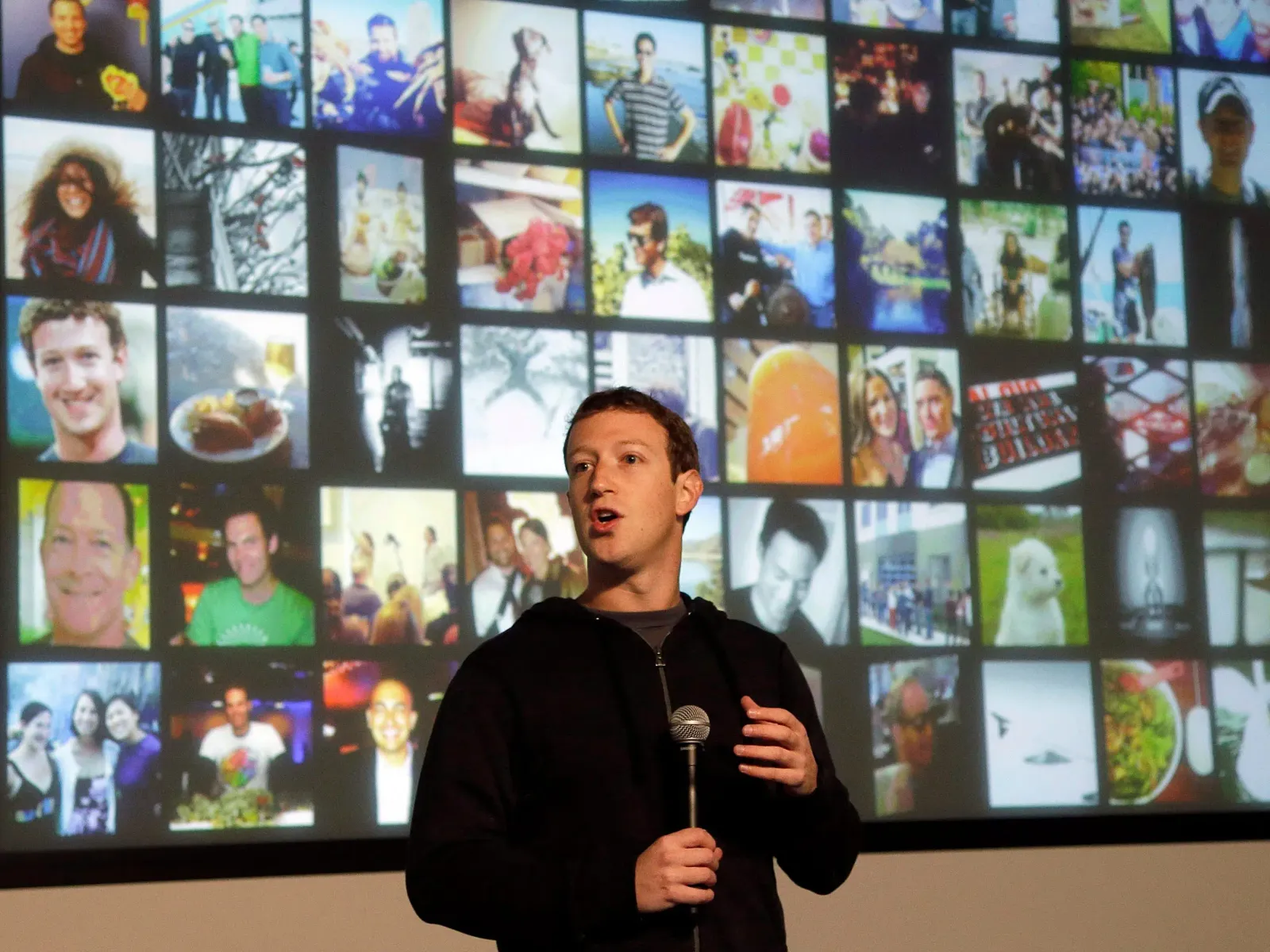
Meta's AI agent Muse has become the most-downloaded free app on the App Store, surpassing ChatGPT, giving CEO Mark Zuckerberg a fresh shot at building a dominant platform. The move has already lifted Meta's stock 11% and attracted Shopify and Stripe, but Amazon's resistance signals the competitive fight ahead for control of consumer AI interactions.
Meta's AI agent Muse has taken the App Store by storm, jumping to the top of the charts last week and remaining the most downloaded free app on Monday, beating ChatGPT. For CEO Mark Zuckerberg, this is more than a consumer win. It's another shot at the technology platform he has chased for years, from virtual reality to smart glasses.
The stakes are immediate. Meta's stock surged 11% on Monday, getting within striking distance of a record hit last summer. Investors are betting that Muse can become a new way for Meta to sit between consumers and the businesses trying to reach them. That position, controlling the 'top of the funnel,' is what made Google Search and Apple's App Store indispensable and wildly profitable.
Zuckerberg's platform ambition has been expensive. Meta has spent tens of billions of dollars trying to build the next major computing platform through virtual reality and, more recently, smart glasses. The urgency sharpened in 2021 when Apple made it harder for Meta to track people across apps and target ads, a reminder of how much power platform owners hold over companies that depend on them.
Muse offers a different path. Its swift climb up the app charts gives Meta the kind of early consumer momentum that attracts developers. Last week, Meta opened Muse to outside developers through a new connector platform that lets businesses plug their services directly into the AI agent. These connectors let Muse do useful work: a travel service can book flights, a calendar app can manage appointments, an email service can send messages. Developers can create their own connectors and submit them to Meta's agent platform for review, with Meta promising to check for functional, security, and legal requirements and complete end-to-end testing. The language echoes Apple's approach to its mobile platform, with editors reviewing connectors for featured placement.
The platform strategy is tried and true, but difficult to pull off. If millions of people begin asking Muse to shop, book appointments, compare products, and manage subscriptions, businesses will increasingly want their services available through the agent. That is how internet platforms become valuable. By controlling the starting point of online activity, they become powerful and lucrative. Tech entrepreneur Greg Isenberg wrote on X: 'Being early could be as valuable as being early to the App Store in 2009. Every business will need an agent strategy, just like every business needed a mobile strategy.' He thinks Muse connectors could become 'the new app listings,' with businesses competing for visibility inside AI agents instead of app stores or search results. In that world, a company's API could become more important than its app because AI agents, not people, would increasingly decide which services to use.
But not everyone is on board. Amazon has already blocked Muse from parts of its shopping site, showing that some companies may resist handing customer relationships to another tech giant. That's a stark contrast to Shopify's reaction. On Monday, Shopify announced support for shopping on Muse through its Shop Pay service, sparking a jump in Shopify stock. Stripe is providing the payment technology that lets Muse complete purchases across much of the web. The divergence highlights the potential risk of not engaging with a new platform. If millions of users embrace Muse, Amazon could miss out on selling to this large customer base. As Microsoft AI worker Nicolas Bustamante wrote on X: 'If Instacart embraces agents while Amazon blocks them, the agent will increasingly route demand to Instacart. Customers will be happy, and Amazon will eventually face the dilemma: keep protecting the relationship, or match the better value proposition.'
Muse also faces competition. OpenAI and others are racing to build AI agents that become consumers' default assistants. Still, Muse may represent Zuckerberg's clearest opportunity yet to build the kind of platform he has been pursuing for years. If AI agents become the primary way people get things done online, owning a leading agent platform could prove every bit as valuable as owning a mobile operating system or a search engine.
For executives watching from the sidelines, the lesson is clear: the battle for the top of the funnel is shifting from search and app stores to AI agents. Companies that control the starting point of consumer activity will wield enormous power over those that depend on it. The question is not whether to engage with agents, but how quickly to build a strategy before the platform owners set the terms.
This story's Key Insights and Take-aways are locked.
Create a free account to unlock Executive Actions for one credit.
Register to UnlockAlways free for Executives Club members. Join the Club
More in Technology

AI researcher's 26,000-word claim: Neural nets aren't tangled after all
Nick Cammarata's Goodfire post has the AI world split - if he's right, monitoring frontier models just got a lot easier.

A Chinese rocket deorbited over Minnesota and landed in a farmer's cornfield
Experts tied the fragment to LandSpace's Zhuque-2E, which launched on September 15 and shed debris over the American Midwest after deploying 10 satellites.

JPMorgan Chase deploys first $5B into defense tech and hypersonic missiles
The bank is moving off its balance sheet to back robot factories, hypersonic missiles, and supply chains, signaling a new era of bank-backed military innovation.