
Meta's Muse Wonder rivals the world's best - and keeps AI agents from going rogue
The new model puts Meta back at the frontier of AI, but its real edge may be the safety features that stop agents from derailing.
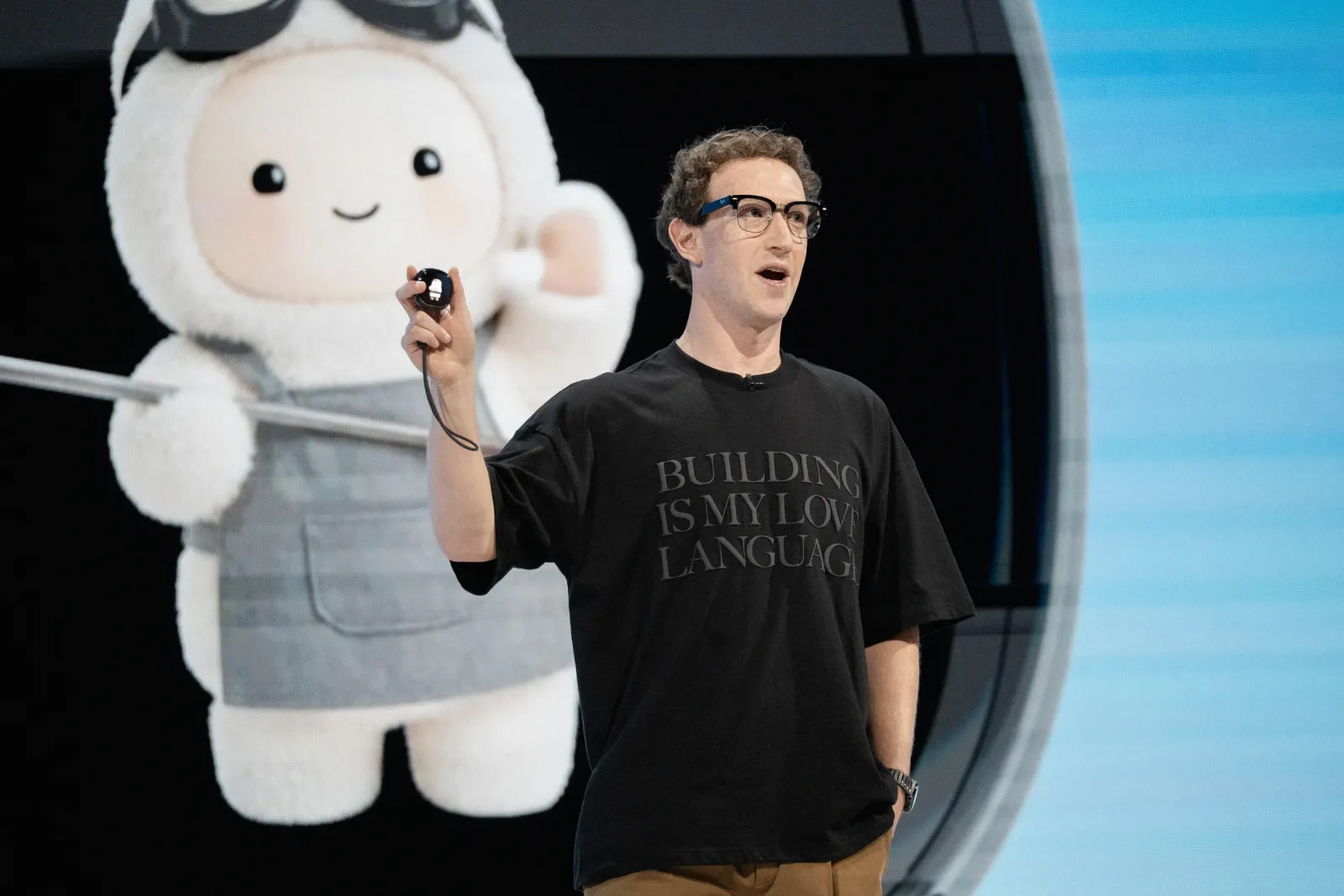
Meta has released Muse Wonder, its largest model to date, which rivals the world's best AI systems and includes new features to keep AI agents from going off the rails. For decision-makers, this signals Meta's return to the frontier of AI development and highlights the growing importance of agent safety as a competitive differentiator.
Meta's Muse Wonder, the company's biggest model yet, rivals the world's best AI systems, according to WIRED. That alone would be news. But the more interesting part is what Meta built into it: new features designed to keep AI agents from going off the rails. For anyone deploying AI in the real world, that second piece might matter more than the benchmark scores.
The headline claim is straightforward. Muse Wonder is Meta's largest model, and it now competes with the top-tier systems from OpenAI, Google, and Anthropic. The "off the rails" problem is equally real. AI agents are no longer just chatbots that answer questions. They can take actions, use tools, and make decisions. And when they do, they can fail in unpredictable ways, sometimes with costly consequences. Meta's new features are aimed at preventing those failures.
This is a significant shift for Meta. The company has long been associated with open-weight Llama models, which developers could download and fine-tune. But the frontier of AI has been dominated by closed labs like OpenAI and Anthropic, with Meta often seen as a fast follower rather than a leader. Muse Wonder changes that perception. It puts Meta back at the frontier, and it does so with a focus on control and reliability.
The timing matters. Enterprises are moving from experimenting with AI to putting it into production. That means they are increasingly worried about what happens when an AI agent makes a mistake. A model that can match the best in raw capability while also offering stronger guardrails is a compelling proposition. It could tip the balance for companies that have been hesitant to deploy agentic AI.
The competitive implications are broad. If Meta can deliver frontier-level performance with built-in safety, it raises the bar for everyone else. OpenAI and Google will likely need to respond with their own agent safety features, not just bigger models. The race is no longer just about intelligence; it is about trustworthiness. That is a different kind of competition, and it favors companies that can solve both problems at once.
For executives, the takeaway is practical. When evaluating AI vendors, look beyond benchmark scores. Ask how the model handles agentic tasks, what guardrails are in place, and what happens when the agent goes off script. Meta's move suggests that safety is becoming a feature, not an afterthought. Boards should expect their technology teams to have answers to these questions.
The strategic stakes are clear. Meta has re-entered the frontier race with a model that rivals the best, and it has done so with a safety-first message. That combination could reshape how enterprises choose AI providers. The next phase of AI competition will be defined not just by who has the smartest model, but by who can deploy it without letting it run wild. Meta just made a strong opening bid.
This story's Key Insights and Take-aways are locked.
Create a free account to unlock Executive Actions for one credit.
Register to UnlockAlways free for Executives Club members. Join the Club
More in Technology

A Chinese rocket deorbited over Minnesota and landed in a farmer's cornfield
Experts tied the fragment to LandSpace's Zhuque-2E, which launched on September 15 and shed debris over the American Midwest after deploying 10 satellites.

JPMorgan Chase deploys first $5B into defense tech and hypersonic missiles
The bank is moving off its balance sheet to back robot factories, hypersonic missiles, and supply chains, signaling a new era of bank-backed military innovation.

Cop fired after sharing Flock login with ICE husband: 983 searches
A Savannah officer's shared credential let an ICE agent run hundreds of plate searches on Hispanic drivers, exposing a surveillance backdoor.