

Meta starts Canada data center, its first major campus for AI demand north of the border
The move signals how Meta plans to scale AI compute in Canada, and what it means for regulators and competitors.
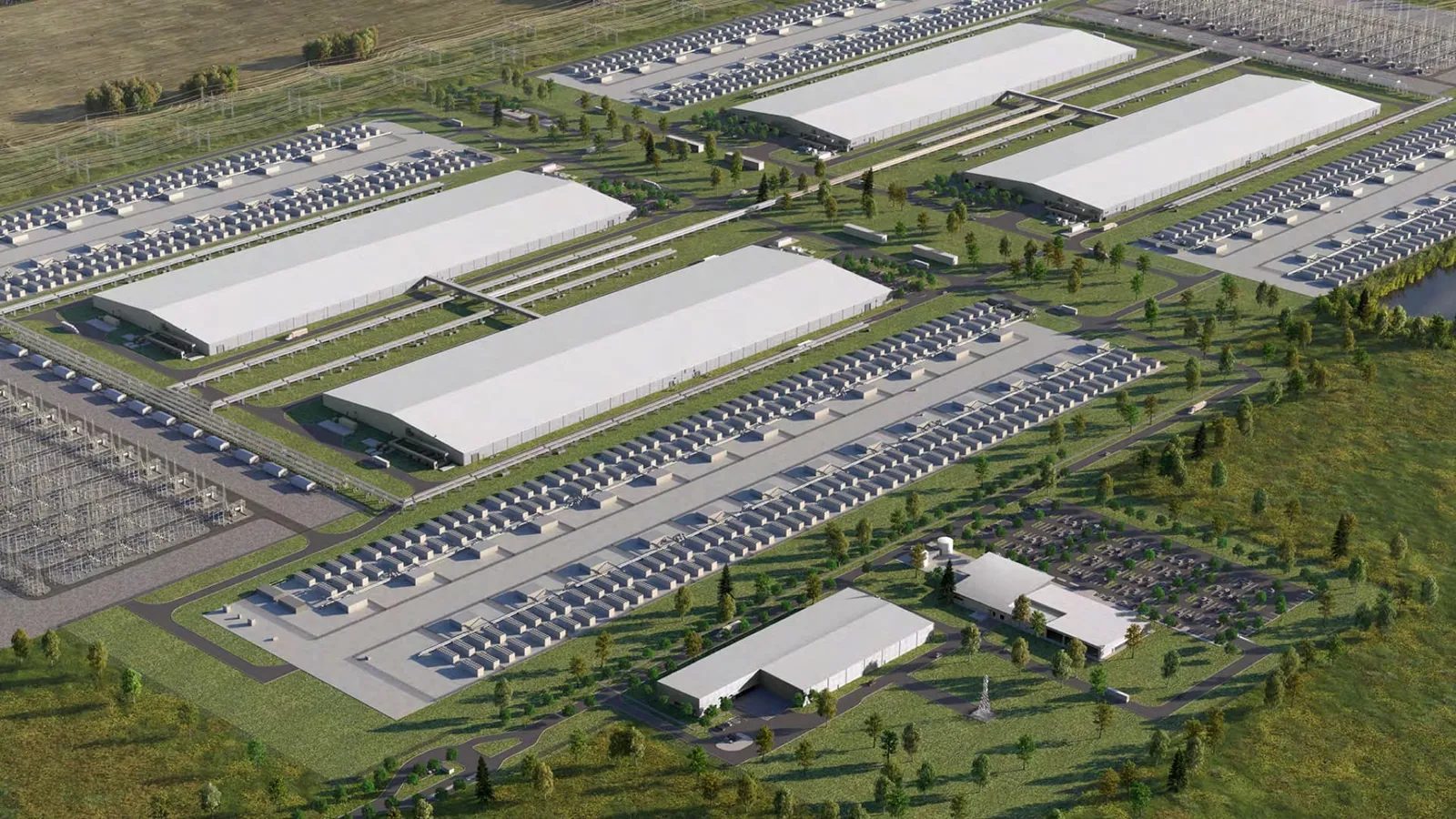
Meta is building its first big data center in Canada as AI expansion pushes computing demand across borders. For decision-makers, the project is a real-time signal of where AI infrastructure capex is heading and how quickly policy and power constraints will be stress-tested.
Meta is building its first big data center in Canada as AI expansion crosses the border. That headline is doing a lot of work, because data centers are not just facilities. They are the physical backbone of AI compute, and they are where long-lead timelines, power availability, permitting, and regulation all collide.
In other words, Meta is making a bet that Canada is not just an “also-ran” market for AI. It is a site where the company can house the servers and networking equipment needed to support growth. While the news is straightforward, the implications are not. When a hyperscaler or major platform company decides to build its first “big” campus in a new geography, it is telling the market it expects sustained demand, not a short-term experiment.
Zoom out and you get the context: AI is scaling from demos and research to production workloads that need reliable, power-hungry infrastructure running 24/7. For platforms like Meta, AI expansion means more training and more inference, and both translate into compute capacity that must be planned years ahead. Data centers are where that capacity becomes real, which is why the “first big Canadian” framing matters. It suggests Meta is crossing from relying on existing capacity to constructing tailored infrastructure that can match its performance, redundancy, and expansion needs.
This also lands right in the middle of a bigger global pattern: AI builders are chasing capacity wherever it can be acquired, whether that is colocation providers, partnerships, or direct campus builds. Canada, in this context, becomes part of the map of where AI supply chains and compute ecosystems are expanding. But “expanding” is never free. Data centers require electricity, land, cooling, and grid connections, and they operate within local regulatory and permitting frameworks. Even when the technology is global, the constraints are local.
Regulatory background is the other half of the story. In many countries, data center development is effectively a coordination game between multiple agencies and stakeholders. Permits, environmental reviews, and grid impact assessments can all shape timelines. The fact that Meta is building its first big one in Canada as AI expansion crosses the border highlights that the company is comfortable engaging with those local realities rather than treating them as an obstacle. For boards and executives, that is often the key strategic question: can the firm keep scaling without being slowed by permitting or power bottlenecks.
There is also a second-order competitive signal here. If Meta is willing to put real construction effort and capital toward Canadian infrastructure, other companies in the ecosystem take note. That includes competitors that also need AI compute, as well as the suppliers and service providers that power the data center supply chain. Colocation markets, fiber and networking buildout, and energy procurement strategies all feel these waves. When a major platform enters a geography with a “first big” facility, it can increase demand visibility across the region and pull other investment in after the initial anchor player.
For decision-makers, the practical takeaway is that AI expansion is now a multi-jurisdiction infrastructure problem, not just a model-training problem. Meta’s move makes Canada part of the story of where compute capacity is being built to meet the next phase of AI demand. If you are a CFO, COO, or board member at a firm that depends on AI compute, this is a reminder that infrastructure decisions will increasingly be constrained by geography, power, and regulation. Meta is not just expanding capabilities. It is expanding where those capabilities live, and that changes the competitive and policy landscape for everyone else building in the same AI-heavy world.
This story's Key Insights and Take-aways are locked.
Create a free account to unlock Executive Actions for one credit.
Register to UnlockAlways free for Executives Club members. Join the Club
More in Technology

Nvidia's $89B data center quarter: the 9 companies cashing in
The AI buildout is minting fortunes beyond GPUs, and memory, cloud, and cooling suppliers are riding the same wave.

Google quietly links your phone number to every Android account on your SIM
Adding a SIM now ties your phone number to all Google accounts - and future accounts inherit it. Here's the security and privacy stakes.

Hijacker AI 'Skynet mode' runs 100,000 attack steps against exposed models
Symantec caught a criminal AI agent that borrows other models, steals data, and mines crypto; the only relief is no confirmed victims yet.