

Meta tests a TikTok-like full-screen feed on Facebook, starting this fall
A new default video-first mode may reach the US in 2027, with opt-outs for classic Facebook.
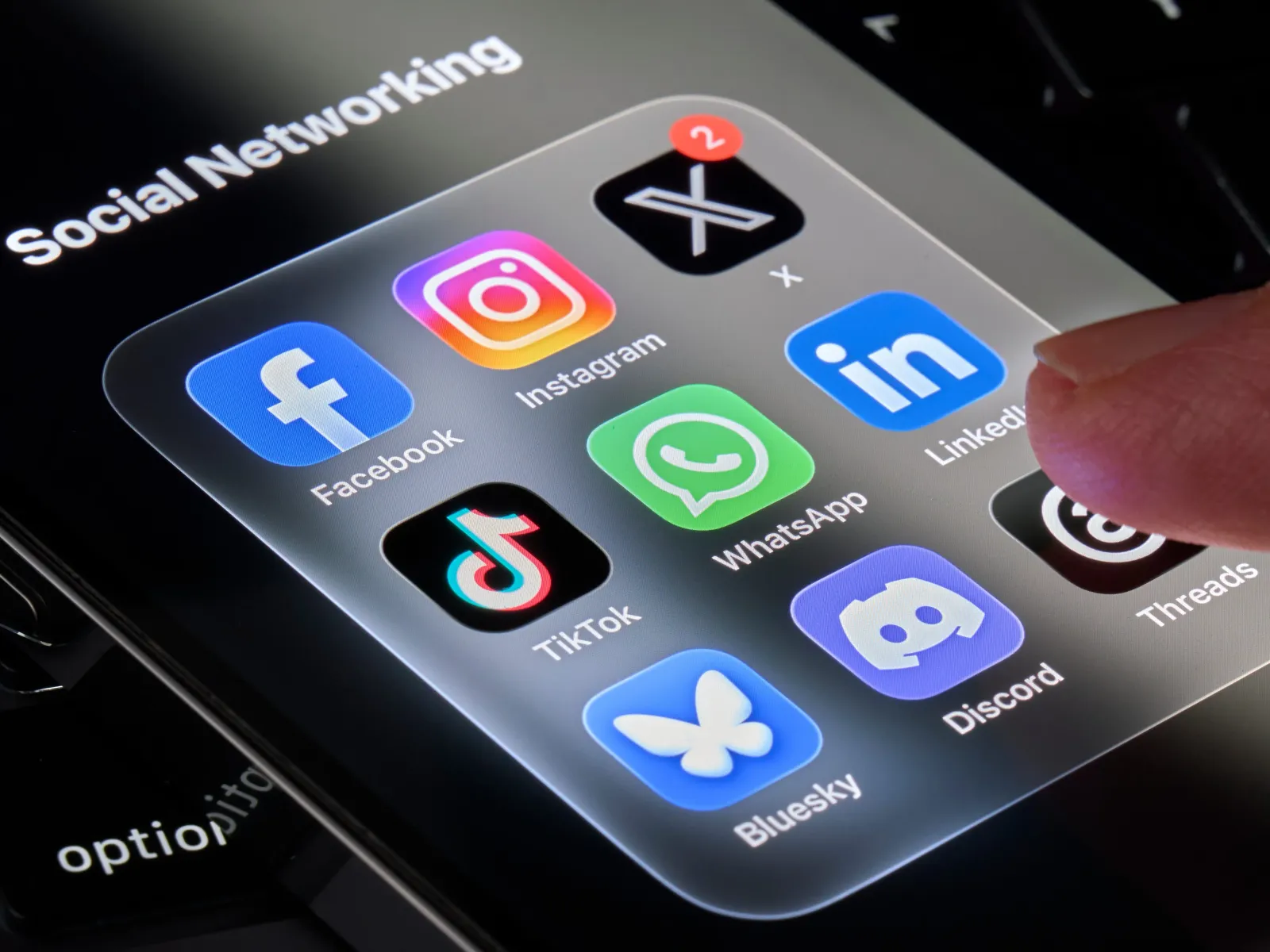
Meta is testing a Facebook version that turns the app into a TikTok-like, full-screen video player for a subset of users, with a rollout planned for “video-heavy countries” this fall. For decision-makers, it signals how aggressively Meta (and peers) are shifting from social posts to always-on video ad inventory.
Facebook is about to run a straight-up “what if we became TikTok” experiment. Starting this fall, Meta will test a version of the Facebook app that, as a default setting, pushes users into a steady stream of full-screen videos the moment they open the app. And yes, it is a test, not a final product decision, but Meta is describing it as a “reimagined experience” for a subset of people who want more video on Facebook.
The CEO and product owner behind this move is Tom Allison, the Meta executive who oversees Facebook. In his announcement, Allison says the test will put people into full-screen video immediately, and people in the test can opt out to return to classic Facebook. Users who stay in the video-first option can also toggle back and forth to see a traditional Facebook feed. Meta is planning to roll the test out in some “video-heavy countries” this fall, and Allison writes that it may come to the US in 2027.
So why does this matter beyond the obvious “apps keep copying each other” fatigue? Because Facebook is not only drifting toward a video-first interface, it is aligning the product surface with the attention machine that makes TikTok work. The described experience is basically the TikTok pattern: open the app, get an endless-looking feed of full-screen clips, and keep consuming because the interface is built to move you from one video to the next.
Meta's broader story here is almost too coherent. For years, social platforms have been moving away from being genuinely “social” in the sense of relying on active posting from friends and family. Most people consume more than they contribute. That changes what companies can count on. If you cannot reliably depend on your friends updating, you have to fill the gap with recommendations from strangers. The source puts it plainly: platforms show recommendations because users follow hundreds of accounts, but only a fraction post on any given day. More content exists, but it has to be surfaced strategically.
Video is the obvious acceleration lane for that strategy. The briefing highlights a key reason: video gives platforms more opportunities to keep users engaged and, crucially, more opportunities to monetize that engagement with video ads. Meta and other platforms want users to stick around longer, because the longer someone stays, the more ad inventory they can sell. Also, video ads provide a more direct route into the ad budgets that still largely exist in traditional TV. In other words, converting a feed into a video player is not just a UX decision, it is an inventory decision.
Meta is also making this shift at a time when other major apps already behave like this. The source notes that Instagram starts a TikTok-style never-ending stream of videos after you click a video post, and that Elon Musk's X does the same. That matters because it reduces the “barrier to expectation” for users. People already experience the always-on feed pattern elsewhere, so Facebook is effectively saying: if users want that loop, let's meet them at the moment they open the app.
There is another nuance worth executives not overlooking: the company is explicitly positioning this as opt-in and reversible within the test. The test design includes opt-out back to classic Facebook, and the ability for people who stick with the new option to toggle between the video-first mode and the traditional feed. That suggests Meta wants data without permanently breaking the user base. Tests are how platform companies de-risk changes that could otherwise trigger churn, public backlash, or brand confusion. Still, platforms do not always announce experiments this clearly in advance. The source urges readers to treat this as a serious signal, not as a throwaway UI tweak.
Zoom out to second-order implications. If Facebook can successfully pull more “passive consumers” into an always-on video stream, it changes the competitive math for every social platform that still leans on posting culture. It also forces advertisers to reconsider where the reach and performance live, because the audience is being trained into video consumption moments. Meanwhile, regulators and policymakers have growing reasons to scrutinize how engagement-driven feeds are designed and monetized, especially when they prioritize recommendations and maximize time spent. The source does not claim regulatory action, but it does sketch the incentive engine: keep you watching, show you more video, sell more video ads. That incentive engine is exactly what regulators often focus on.
Bottom line: Meta is testing a TikTok-like Facebook starting this fall, possibly reaching the US in 2027, led by Tom Allison's “reimagined experience” for video-heavy countries. This is not just Facebook “trying” video. It is Facebook aligning its default behavior with the attention and ad monetization model that dominated short-form video. If you lead a product, a platform partnership team, or a board-level growth strategy at a social or creator economy company, this is a reminder that the battlefield is no longer posts versus people. It is interfaces versus time, and video-first UX is still winning that fight.
This story's Key Insights and Take-aways are locked.
Create a free account to unlock Executive Actions for one credit.
Register to UnlockAlways free for Executives Club members. Join the Club
More in Business

Anthropic’s Levant Alpöge cracks the Jacobian conjecture after 87 years
A Harvard valedictorian used Claude to hit a 1939 breakthrough, but the missing “why” is the real problem.

Uber buys Delivery Hero for nearly $15B, vaulting to top food delivery outside China
The deal doubles Uber's dual-services footprint and pushes a ride-and-eats bundling play into 50 more markets.

Epic and Google drop settlement bid, forcing rival Android app stores by July 22
Google told the court it is ready to carry third-party app stores starting Wednesday, July 22.