

Metallica locks in London “no repeats” night one: 16 songs, zero reruns
Friday July 3 at London Stadium starts a weekend built on a promise: different setlists both nights.
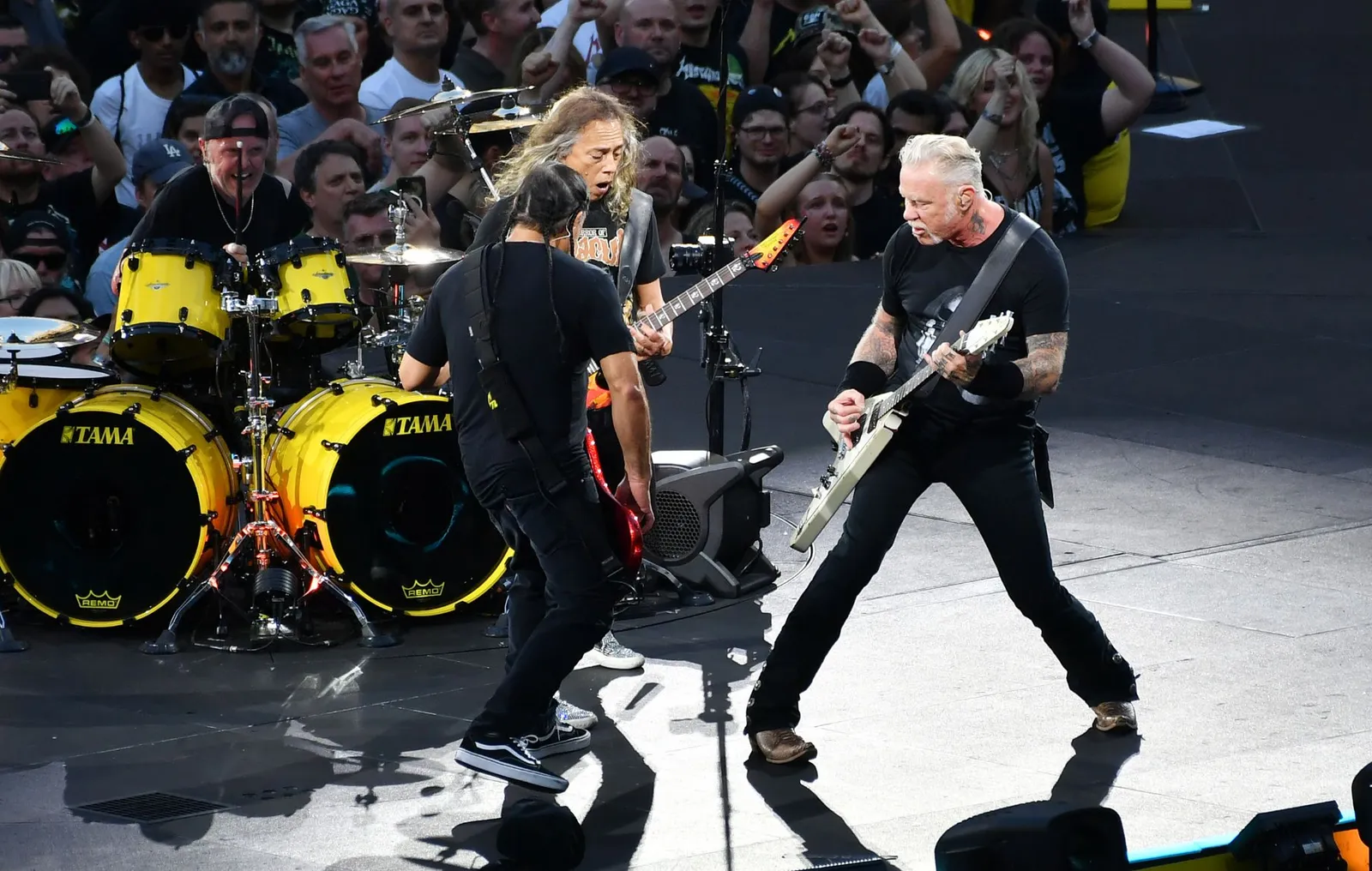
Metallica kicked off the first of their two “no repeats” shows at London Stadium on Friday July 3, delivering a 16-song, career-spanning set with support from Knocked Loose and Gojira. For executives and operators, the business read is simple: the band turned a tour gimmick into a concrete, enforceable fan retention mechanic, and the second night is now the operational benchmark.
Metallica opened the first of their two “no repeats” London Stadium shows on Friday July 3, playing a 16-song set that deliberately set up the weekend’s core rule: nothing would be repeated across nights. That matters because it turned a vague marketing line into a measurable deliverable, the kind of promise fans can audit in real time and the kind of operational discipline that makes “big events” feel less like fluff and more like a system.
From the jump, the set hit like a greatest-hits ledger you cannot look away from. The band launched with 1984’s “Creeping Death,” then moved through “…And Justice For All” (“Harvester Of Sorrow”), and the 1991 self-titled era with both “Holier Than Thou” and “Of Wolf And Man.” In the middle of it, James Hetfield and co. also pulled tracks from later chapters: “Lux Æterna” and “If Darkness Had a Son” from the latest album “72 Seasons” and “Hardwired” from “Hardwired... to Self-Destruct.” Hetfield framed the whole moment as survival and gratitude, saying “We are so blessed to still be here after 45 years,” and also adding, “I have the best job in the whole world.”
The operational texture here is worth noting. Metallica’s London run is part of their last UK and Ireland leg of the “M72” world tour, which kicked off back in April 2023 and celebrated the release of “72 Seasons.” Prior shows in the past couple of weeks included Dublin, Glasgow, and Cardiff, so night one wasn’t coming out of nowhere. It was coming out of iteration: support slots from Knocked Loose and Gojira, then a set designed to feel both planned and alive. Even the moment-setting quip from Hetfield landed as a tone-setter, with him telling the crowd, “London, you better look out because Metallica is in a good mood tonight… and it’s all your fault,” and promising, “This is where we get to see the love and the care in your faces, and we get to give it right back.”
There’s also a real fan-engagement mechanism embedded in the show structure. As with each show, bassist Rob Trujillo and guitarist Kirk Hammett brought a unique “doodle” specifically for the night, where they cover tracks written in the city being played. The article notes that, after a cover of Tom Jones’ “Delilah” in Cardiff, “despite the song being banned from the Principality Stadium,” Metallica switched gears for London: a medley of Ian Dury’s “Sex & Drugs & Rock & Roll” and The Clash’s “Guns of Brixton.” That pattern is more than set dressing. It creates a repeatable “local specificity” layer that makes each stop feel tailored, even inside a massive touring machine.
The night’s staging and instrument roles further underline that this is an engineered experience, not just a playlist. When Hetfield and drummer Lars Ulrich returned, the band rolled into more fan favorites including “Fade To Black,” which they joked was one of the few tracks they all agree is “pretty good.” Hammett borrowed the guitar of Gojira’s Christian Andreu to play “Sad But True” from their 1991 classic era. Trujillo played the bass from inside the snakepit, surrounded by fans, which functions like a live-theater “peak attention” control point: it tells you where the energy is supposed to spike.
Then comes the closer logic: Metallica wrapped up with back-to-back renditions of “Fuel,” “Seek & Destroy,” and “Master Of Puppets.” At the end of the night, Hetfield reiterated the emotional throughline, saying he has “the best job in the whole world” and that they felt “so blessed to still be here after 45 years.” For executives watching from outside the music industry, the takeaway is that consistent delivery plus visible craftsmanship builds trust. When a promoter or brand makes a commitment, the audience can tell whether the craft matches the claim.
And now the compliance clock starts ticking. Metallica will perform at London Stadium again on Sunday night (July 5), and the article says they are expected to break out an entirely different setlist because the shows are billed as a “No repeats weekend.” The strategic stake is immediate: once fans confirm night one, night two becomes the proof point that turns a marketing promise into a credible repeat purchase or attendance decision.
The weekend is also part of a broader operational runway. This show will be the last of the 2026 UK and European dates they have planned, and then the band heads back over the pond for a run of residency dates at the Sphere in Las Vegas, commencing on October 1 and running into 2027. The band has yet to release any new music since dropping “72 Seasons” in 2023, although they recently rereleased their 1997 album “Reload (Remastered)” with previously unreleased demos, rough mixes, live performances, and more. So the band is managing demand with a mix of scarcity (no repeats), local flavor (the city-specific “doodle”), and catalog-based reactivation.
One more layer: the article situates this tour within a wider pattern of cultural and community moves, including covering The Pogues, The Proclaimers, a-ha, and ABBA across recent dates, plus the attention-grabbing detail that Kirk Hammett wore a “Taylor Swift Is A CIA Psyop” shirt. It also notes Metallica urged fans to donate blood and plasma by becoming the first-ever metal group to collaborate with UK blood services, and donated £20,000 to a foodbank in Cardiff. That’s a reminder that major tours are not only entertainment systems; they are also platform systems. The second-order effect for boards and operators is that “brand trust” is now inseparable from operational choices onstage and in community partnerships offstage.
This story's Key Insights and Take-aways are locked.
Create a free account to unlock Executive Actions for one credit.
Register to UnlockAlways free for Executives Club members. Join the Club
More in Entertainment

Russell Brand's accuser 'bewildered and confused' as he denies 7 sex charges
The criminal case against the comedian is a live test of how media companies manage talent risk when serious allegations go public.

'It's a Magic Trick': Ballet Experts Say Rosalía's SNL Pose Is Impossible
Three ballet experts tell Rolling Stone Rosalía's gravity-defying SNL stillness shouldn't be possible - and why the debate is now part of the show.

Activision CMO: GTA 6 Will Boost Call of Duty, Not Bury It
Activision's top marketer says Rockstar's blockbuster will drive players back to consoles and into Modern Warfare 4, even as the company admits its recent strategy failed.