

MGM+ preps The Institute Season 2, turning Stephen King’s test-subjects into bigger horror bets
The Institute, based on King’s 2019 novel, is already lining up its next batch of telekinetic kids and adult “greater good” plans.
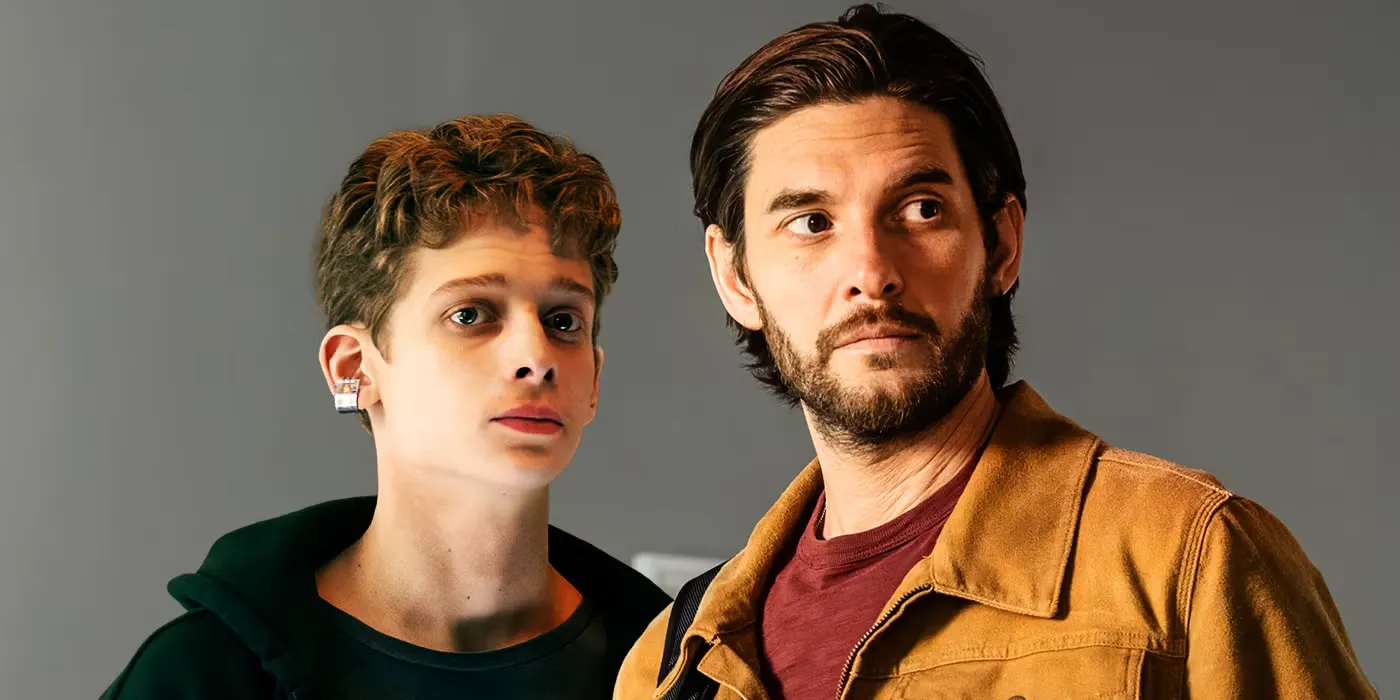
MGM+ is developing a second season of The Institute, an eight-episode Stephen King horror series based on his 2019 novel. For decision-makers, the show’s push to escalate a breakout implies higher risk tolerance on horror IP, and a clearer playbook for long-term audience retention.
MGM+ is already gearing up for a second season of The Institute, Stephen King’s horror hit based on his 2019 novel. The series is building on what made it feel like a “sleeper hit” in the first place: small-town mysteries, ordinary people colliding with unimaginable evil, and children whose gifts do not come with a safe adult explanation.
In Season 1, those gifts are telekinetic and telepathic. Instead of being invited to a school for gifted youngsters, the kids are kidnapped from their families and imprisoned in a facility that uses them as test subjects. Adults then subject them to brutal experiments, convinced their powers can be weaponized for the greater good. Season 2, per the series’ trajectory, promises to take that nightmare to a new level.
For executives, this is the horror version of an operating model: start with a familiar genre promise, then lock the audience with a moral question that keeps getting worse. The familiar ingredients are right there, and Collider calls out the classic King expectations: the small-town vibe, the ordinary people being forced to confront something they cannot reason away, and the children paying the price for adults’ certainty. In practical terms, the audience does not tune in only for scares. They tune in to see whether the “greater good” narrative collapses under the weight of what it costs.
Stephen King’s adaptations are consistently built on escalation. Collider frames The Institute as one of King’s more recent adaptations, but the core warning is timeless: it’s never a good idea to mess around with psychic powers. The show’s premise literally monetizes that warning through story design. The more the adults insist the powers can be controlled and weaponized, the more the plot pushes toward the inevitable reckoning where control was an illusion and experimentation was violence dressed up as policy.
That matters for decision-makers thinking about what actually sustains a series beyond episode one. The Institute is already positioned as TV’s next big horror series before Season 2, which signals that MGM+ is treating horror as a long-duration audience relationship, not a quick spike. Horror works differently than prestige drama. It has a recurring “trust loop.” Viewers return when they believe the series will keep delivering two things in tandem: tension (what happens next) and meaning (why it’s happening to these characters). The Institute is structured to keep both loops tight by focusing on forced captivity, experimental misuse, and the emotional fallout of ordinary families being turned into collateral.
If you zoom out to market context, streaming platforms have to balance aggressive commissioning with the reality that horror is both predictable and unforgiving. You can find the demand quickly, but you cannot fake the payoff. King IP gives you brand gravity, but it also sets a bar for tone, stakes, and moral coherence. Collider’s description lands on the right mix: kids with extraordinary gifts, a facility that treats them as tools, and adults who believe they can weaponize their abilities. That is a premise built for repeat viewing because each episode can tighten the same question from a new angle: who benefits from the experiments, and who suffers when “good intentions” run out?
There is also a second-order implication for boards and leadership teams evaluating content portfolios. When a series is preparing to scale to Season 2, it signals a belief that the core audience engagement is not just novelty. The Institute’s setup already gives creators a map for escalation without needing to invent entirely new worlds. They can deepen the facility’s rationale, widen the small-town mystery, and sharpen the conflict between what the kids are and what adults want them to become. That is not just a writing advantage; it is a risk management advantage. You are not starting over. You are continuing with known anchors.
Finally, the show’s headline promise is less about “fun horror” and more about institutional temptation. The facility and its adult decision-makers mirror a familiar real-world pattern: an argument that extreme measures are justified because the stakes are high enough, coupled with the quiet removal of consent from the people paying the price. Collider’s summary makes the moral engine explicit. The kids are kidnapped, experimented on, and treated as test subjects. When Season 2 promises to take the nightmare further, it is essentially promising a deeper audit of that logic. For peers, the strategic takeaway is blunt: audience trust in horror is built on consequence, not on spectacle alone. The Institute is betting that viewers will keep showing up because the series keeps insisting the cost of “weaponizing” innocence will eventually show up in full.
This story's Key Insights and Take-aways are locked.
Create a free account to unlock Executive Actions for one credit.
Register to UnlockAlways free for Executives Club members. Join the Club
More in Entertainment

Russell Brand's accuser 'bewildered and confused' as he denies 7 sex charges
The criminal case against the comedian is a live test of how media companies manage talent risk when serious allegations go public.

'It's a Magic Trick': Ballet Experts Say Rosalía's SNL Pose Is Impossible
Three ballet experts tell Rolling Stone Rosalía's gravity-defying SNL stillness shouldn't be possible - and why the debate is now part of the show.

Activision CMO: GTA 6 Will Boost Call of Duty, Not Bury It
Activision's top marketer says Rockstar's blockbuster will drive players back to consoles and into Modern Warfare 4, even as the company admits its recent strategy failed.