
MI5 chief warns AI could 'change the stakes' on bioweapons
The UK's top spy says AI could lower the barrier to making bioweapons. Here is what is real, what is hype, and what it means for your company.
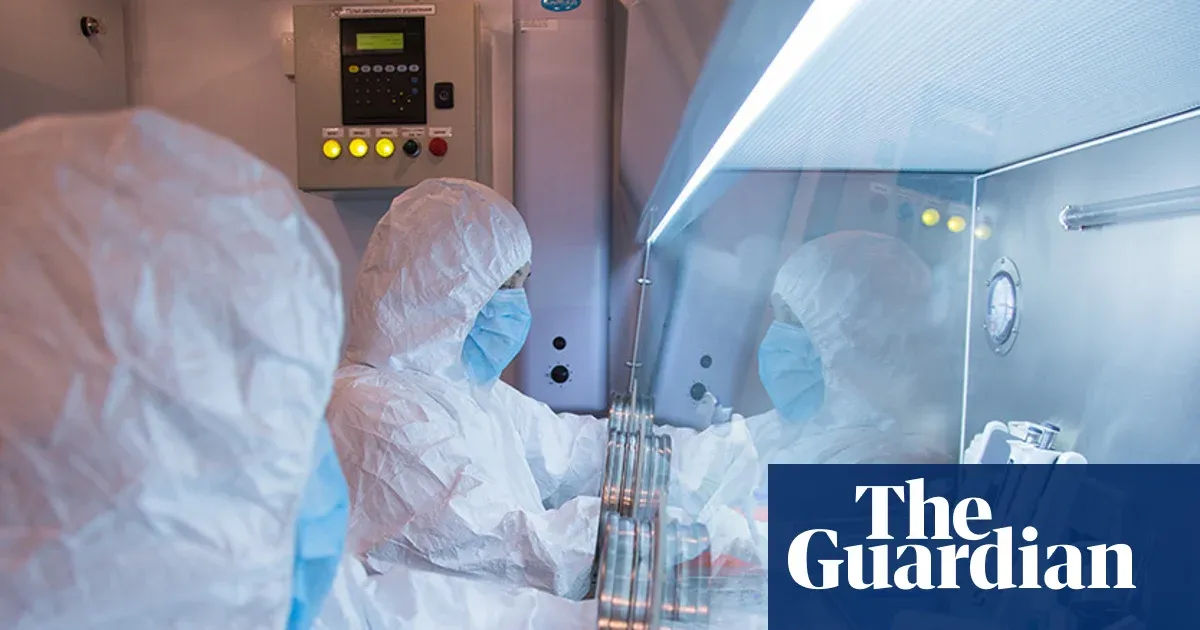
Sir Ken McCallum, head of MI5, warned in his annual threat speech that AI could 'change the stakes' on existing and new bioweapons. The warning signals a new era of national security risk that executives in biotech, AI, and critical infrastructure must now factor into their risk planning.
The head of the UK's intelligence service, MI5, used his annual threat assessment to put a new name on an old nightmare. Sir Ken McCallum warned that AI has the potential to 'change the stakes' on existing and even new bioweapons, a direct signal from one of the West's top security chiefs that the technology fueling the current AI boom is also being studied for its potential to make biological attacks easier to design, produce, or deploy.
That is the headline. The nuance, according to the experts cited in the Guardian's analysis, is that AI is not a magic wand for bioterror. The technology could help terrorists and nation states with production, but significant hurdles remain. In other words, the threat is real enough for MI5 to go public, but it is not yet a world where a lone actor with a laptop and a large language model can brew a pandemic. The gap between those two realities is where the stakes for decision-makers actually live.
For executives, the first question is not whether AI can design a novel pathogen. It is whether the same tools that are compressing drug discovery timelines from years to months are also compressing the timeline for misuse. The UK's own AI Safety Institute has been explicit that biological capability is one of the highest-risk areas it is evaluating. When the head of MI5 uses the phrase 'change the stakes', he is telling boards that the threat model has shifted from a state-level monopoly on advanced biology to a world where the barrier to entry is falling, even if it is not yet on the floor.
The second-order effect is regulatory. Governments are already moving. The UK has hosted the AI Safety Summit, the EU has passed the AI Act, and the US has issued an executive order on AI safety that explicitly calls out the need to screen for biological sequence risks. McCallum's speech is a signal that national security agencies will push for more oversight, not less. For companies working in synthetic biology, DNA synthesis, or AI-driven drug discovery, that means the compliance environment is about to get tighter. The question is not whether regulation will come, but which companies will be ahead of it and which will be caught flat-footed.
There is also a commercial angle that is easy to miss. If the intelligence community is worried about AI lowering the barrier to bioweapons, then the same logic applies to defensive biotech. The companies that can build detection systems, rapid response platforms, or AI tools that screen for dangerous sequences are not just doing good science; they are building what governments will soon consider critical infrastructure. That is a strategic position, and it is one that investors and boards should be mapping now, not after the next crisis.
For the broader business community, the MI5 warning is a reminder that AI risk is not just about copyright, bias, or automation. It is about physical safety and national security. Boards that have been treating AI as a productivity tool need to widen the aperture. The same models that write marketing copy and summarize earnings calls are being evaluated by intelligence agencies for their potential to help build weapons. That is a sobering thought, and it is one that should be on the agenda of every risk committee.
None of this means the sky is falling. The Guardian's experts are clear that significant hurdles remain, and the gap between AI-generated ideas and a deployable bioweapon is still wide. But the direction of travel is unmistakable. The cost of experimentation is falling, the tools are becoming more capable, and the people whose job it is to worry about these things are now saying so publicly. For executives, the smart move is to treat this as a strategic risk, not a headline. That means asking what your company would do if a new biological threat emerged, whether your supply chain is resilient, and whether your AI governance framework accounts for the possibility that your tools could be used for harm.
The final stake is reputational. In a world where MI5 is publicly warning about AI-enabled bioweapons, the companies that are seen as enabling that risk, even unintentionally, will face scrutiny. The companies that are seen as part of the solution will earn trust and, potentially, preferential treatment from governments. That is a choice that leadership teams are making right now, whether they realize it or not. McCallum's speech is not just a warning to the public; it is a strategic signal to every board that touches AI, biology, or both.
This story's Key Insights and Take-aways are locked.
Create a free account to unlock Executive Actions for one credit.
Register to UnlockAlways free for Executives Club members. Join the Club
More in Technology

Cop fired after sharing Flock login with ICE husband: 983 searches
A Savannah officer's shared credential let an ICE agent run hundreds of plate searches on Hispanic drivers, exposing a surveillance backdoor.

Elizabeth Holmes doc 'You Can See Everything' posts second-biggest doc debut ever
The true-crime draw shows fraud narratives still sell - a signal for media execs and a caution for founders.
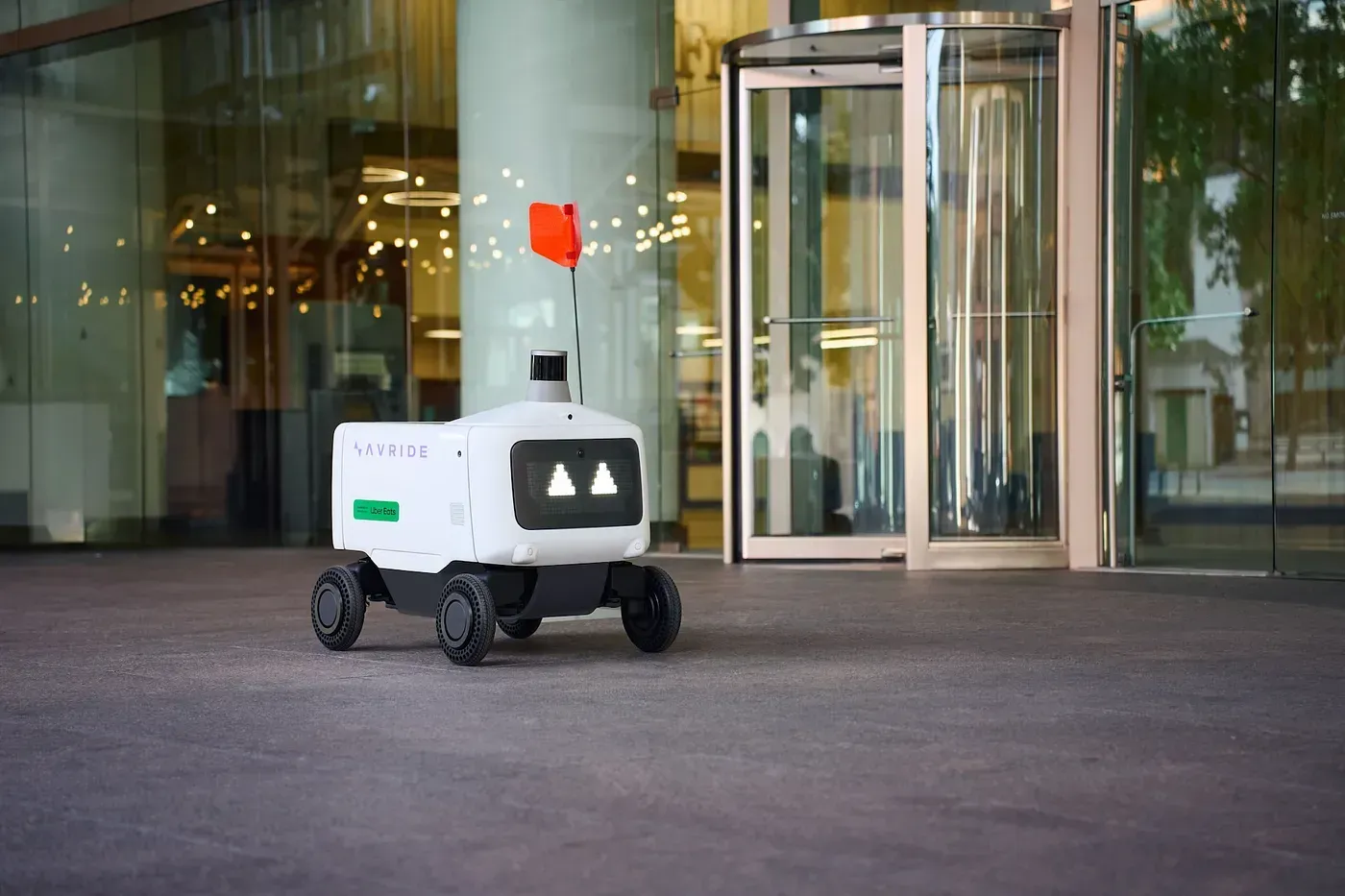
She blocked an Uber delivery robot to save jobs. Police arrested her.
Carolyn Marvin's disorderly conduct arrest turns a sidewalk standoff into a test case for how cities police the automation-versus-workforce debate.