
Michael Mann’s Manhunter gets a 4K theatrical comeback with The Final Cut at 40
A 40th anniversary 4K restoration, plus a director's cut with new footage, brings Mann's underworld blueprint back to theaters.
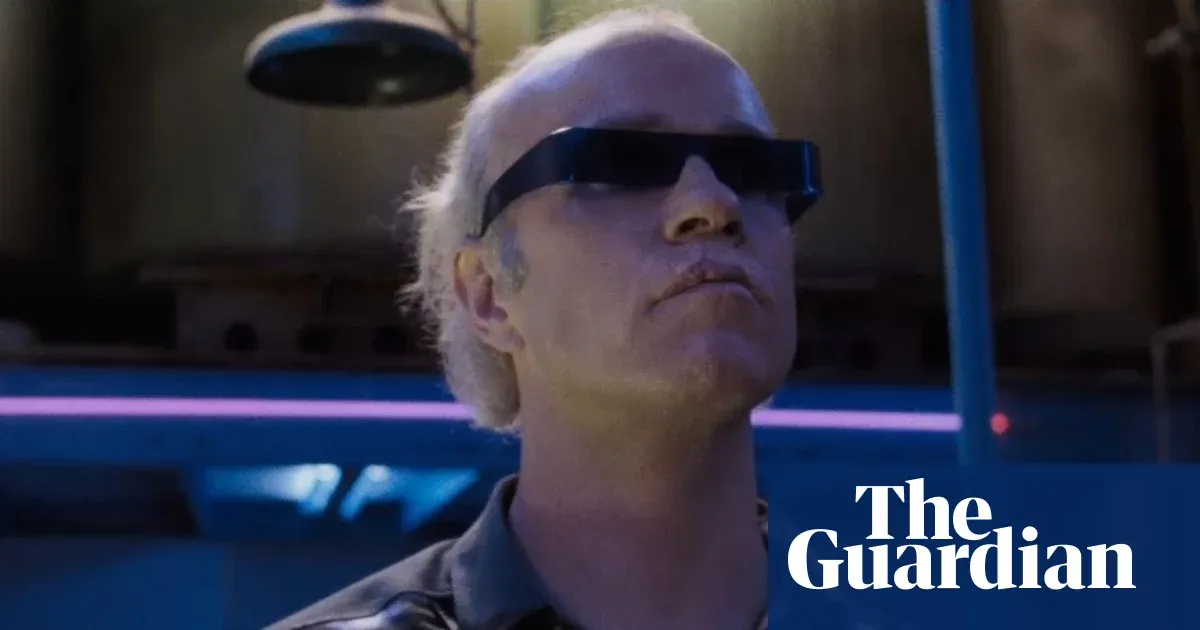
Michael Mann is marking Manhunter’s 40th anniversary with Manhunter: The Final Cut, a 4K restoration and director’s cut that adds three minutes of new footage. The film’s theatrical release in New York and Los Angeles this weekend, followed by a nationwide US rollout, is a reminder of how enduring underworld storytelling can shape what audiences expect from thrillers.
A 4K restoration is landing in theaters, and Michael Mann is not treating Manhunter’s 40th anniversary like a museum piece. Mann, alongside the film’s cast and creative team, is leaning into the provocative charge that made the 1986 thriller feel like a new language for crime stories when it first arrived. The release is Manhunter: The Final Cut, described as a 4K restoration plus a director’s cut with three minutes of new footage.
That extra three minutes matters less as “bonus content” and more as proof that the world Mann depicts is still alive. This weekend, the film will screen theatrically in New York and Los Angeles, then move into a nationwide US rollout afterward. In other words, this is not a quiet home-video nostalgia cycle. It is an intentional re-entry into the mainstream viewing pipeline, using the same core promise Mann has “shown time and again” across Thief, Heat, Miami Vice, and Public Enemies: a disturbing descent into a criminal underworld.
Mann frames his working method with a filmmaker’s logic that doubles as an organizational philosophy for anyone who has to keep attention pointed in the right direction. “It’s like a kind of cultural anthropology,” he tells the interviewer from his office in Los Angeles. If you make films, you can shift subject every few years, in a “different place with a different subject every few years,” but the exploration itself stays constant, because “for me, the exploration is the high.” In plain terms, Mann treats genre as a vehicle for studying how people behave under pressure, not just as a conveyor belt of plot beats.
Manhunter is singled out as an “early high point” for Mann, notable not only for its unsettling atmosphere, but also for its “soaring beauty.” That combination is a big deal, because it points to why audiences keep coming back to his crime world. Thriller expectations often split into two camps: gritty realism that is all pain, or sleek style that is all distance. Mann’s approach blends the two, making the underworld feel simultaneously intimate and aesthetically elevated. When you build that kind of tonal engine, the film can outlast the era that made it, which is why 40 years later, a restoration still gets a two-city theatrical launch.
Also, the timeline is telling. The 40th anniversary release is packaged specifically as “The Final Cut,” which signals completion rather than tinkering. In media terms, that branding is doing real work: it encourages both longtime fans and newer viewers to treat the restoration as a definitive update, not a casual re-release. And because it is a 4K restoration, the project is using the modern distribution upgrade cycle. Theatrical screenings, especially for a classic title, typically rely on audiences believing the visual experience will be meaningfully better. In this case, the pitch is straightforward: upgraded picture quality, plus three minutes of new footage, plus the director’s decision to clarify or reframe the story enough to earn the “final” label.
There is a second-order implication here for anyone leading a studio, label, or content platform: the “underworld” is not just a theme, it is a reusable operating system. Mann’s filmography is described as repeatedly exploring the criminal underworld, so Manhunter’s current moment is less about one-off acclaim and more about the durability of a specific craft approach. When content teams think about franchises, their focus is often on IP and characters. Mann’s model suggests another axis: tone, method, and a consistent set of questions about human behavior. If those questions keep paying off, a restoration can become an event rather than a reupload.
There is also a practical lesson embedded in the rollout plan. The film is released theatrically in New York and Los Angeles this weekend, then follows with a nationwide US rollout. That staggered approach is a classic way to convert early buzz into broader demand, and it reflects how distribution works when you want a legacy title to feel current. For decision-makers watching how audiences respond to classics with added value, it offers a framework: make it event-sized, not archived; upgrade the experience; and give the director enough control to present the work as a living artifact.
Ultimately, Manhunter: The Final Cut is landing at the intersection of craft and commerce, and Mann’s comments underline the “why” behind that intersection. He sees filmmaking as cultural anthropology, exploration as the high, and the underworld as the place where character and systems collide. For executives and investors tracking the health of theatrical programming, legacy titles, and the ROI of restorations, the strategic stake is simple: if Mann’s blend of unsettling atmosphere and soaring beauty still travels in 4K, then the market for premium, director-led updates is not just surviving. It is making noise.
This story's Key Insights and Take-aways are locked.
Create a free account to unlock Executive Actions for one credit.
Register to UnlockAlways free for Executives Club members. Join the Club
More in Entertainment

'It's a Magic Trick': Ballet Experts Say Rosalía's SNL Pose Is Impossible
Three ballet experts tell Rolling Stone Rosalía's gravity-defying SNL stillness shouldn't be possible - and why the debate is now part of the show.

Activision CMO: GTA 6 Will Boost Call of Duty, Not Bury It
Activision's top marketer says Rockstar's blockbuster will drive players back to consoles and into Modern Warfare 4, even as the company admits its recent strategy failed.
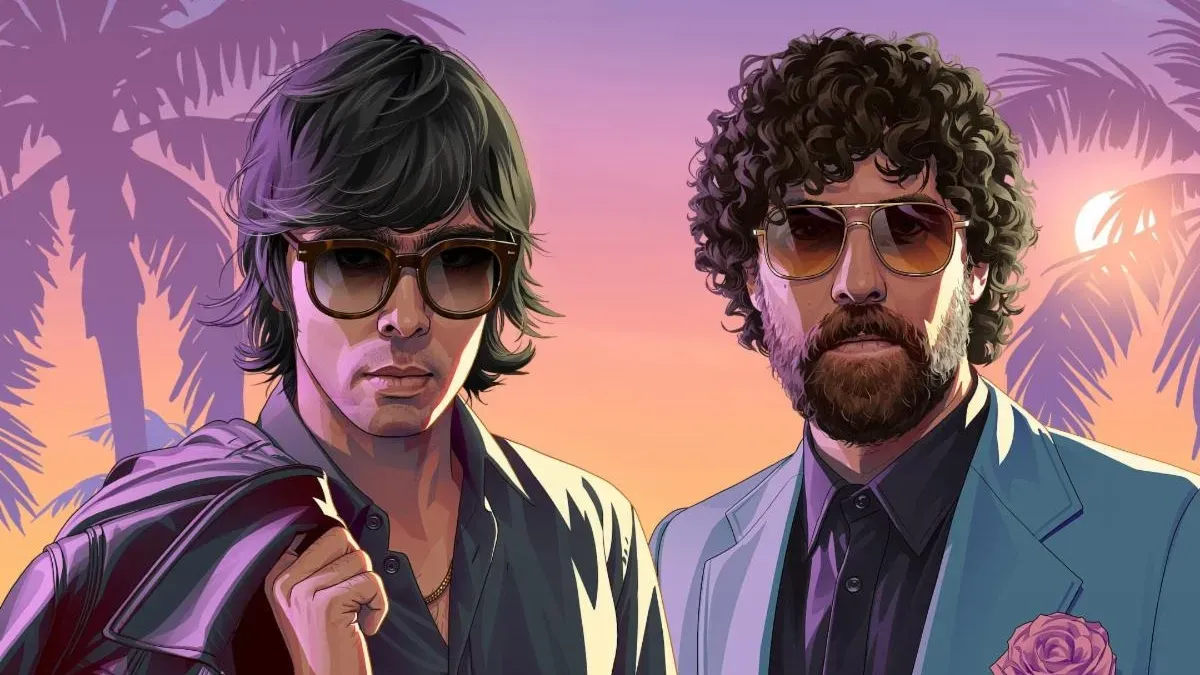
Justice to Score GTA 6, Share New Song with Tame Impala, SZA, King Gizzard
Rockstar taps the French duo for the GTA VI score, and the first taste is a genre-melting collab with Tame Impala, SZA, and King Gizzard & The Lizard Wizard.