

Microsoft bets Windows 11 is the AI agent OS, not Windows 12
At its Windows and Surface event, Microsoft pivoted from a Windows 12 refresh to embedding AI agents and hybrid local-cloud intelligence into Windows 11.
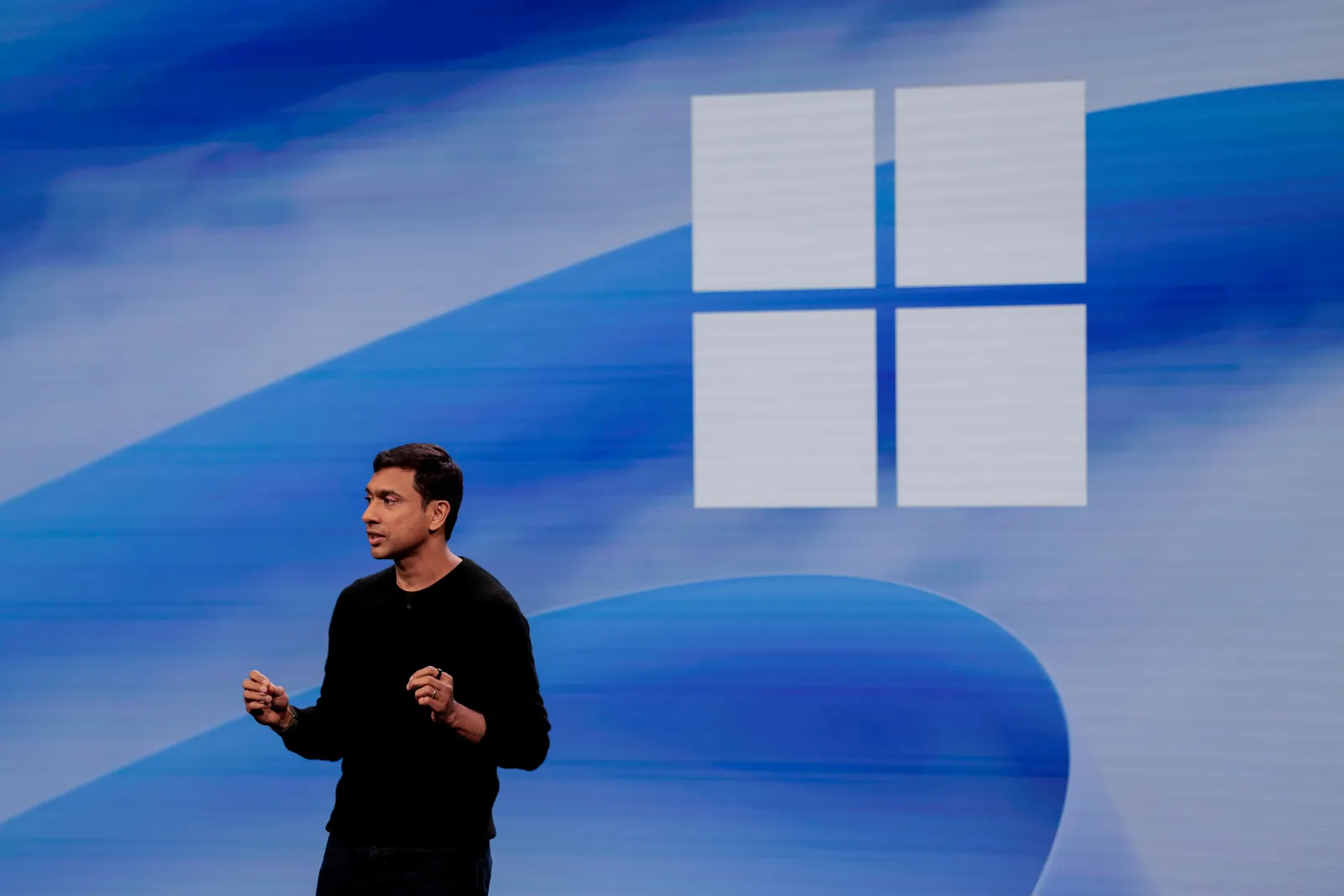
Microsoft executives, including CEO Satya Nadella, unveiled plans at a Windows and Surface event to transform Windows 11 into an agentic OS with hybrid intelligence that uses free local models. For decision-makers, this signals a strategic shift away from a Windows 12 release cycle toward AI-driven monetization and enterprise adoption.
Microsoft is done renovating Windows 11. Five years after the operating system launched as a work in progress, the company is now betting that Windows 11 is the foundation for its next big ambition: turning Windows into an agentic OS. At a Windows and Surface event this week, Microsoft laid out its plan to bring AI agents to Windows, including hybrid intelligence that lets Windows take advantage of free local models instead of expensive cloud ones. The message to the market is clear: do not hold your breath for Windows 12. The future of Windows is not a new version number, it is an AI layer that lives inside the current one.
For executives and IT decision-makers, the stakes are immediate. Microsoft is signaling that the PC refresh cycle will no longer be driven by a new operating system release, but by AI capabilities that can be delivered to existing Windows 11 machines. That changes procurement math. Instead of budgeting for a Windows 12 upgrade cycle, organizations should expect Microsoft to push AI features, local model support, and agentic workflows as the reason to buy new hardware or renew enterprise agreements. The hybrid intelligence approach is particularly notable: by letting Windows tap free local models rather than always paying for cloud inference, Microsoft is addressing the cost and latency concerns that have slowed enterprise AI adoption.
The event also reinforces a broader strategic pivot. Microsoft has spent the past two years embedding AI across its product stack, from Copilot in Microsoft 365 to Azure AI infrastructure. Windows has been the laggard in that narrative, still seen as a legacy cash cow rather than an AI growth engine. This week's announcement is an attempt to change that perception. By framing Windows 11 as the platform for agentic AI, Microsoft is positioning its operating system as the interface layer between users, local models, and cloud intelligence. That is a direct challenge to competitors like Google, which is pushing Gemini into ChromeOS and Android, and Apple, which is layering Apple Intelligence into macOS and iOS.
The decision to skip a Windows 12 launch is also a quiet admission about the economics of operating systems. Traditional OS releases are expensive to develop, market, and support, and they create fragmentation headaches for enterprise customers. Microsoft has learned from the Windows 10 to Windows 11 transition, which was slow and painful, with many businesses sticking to Windows 10 until support ended. By keeping Windows 11 as the single platform and layering AI on top, Microsoft avoids repeating that cycle. It also creates a more predictable revenue stream: AI features can be monetized through subscriptions, usage-based pricing, or premium tiers, rather than one-time upgrade fees.
For the broader industry, the shift to hybrid intelligence is the most consequential signal. Cloud AI inference is expensive, and enterprises have been wrestling with the cost of running large language models at scale. Microsoft's move to support free local models on Windows suggests that the future of AI computing will be a mix of on-device and cloud processing, not a pure cloud play. That has implications for chipmakers, who will need to design processors that can handle local AI workloads, and for cloud providers, who may see demand shift toward hybrid architectures. It also raises questions about data privacy and security, as more AI processing moves to the edge.
The event also carries a message for the PC hardware ecosystem. If AI agents and local models become the primary reason to upgrade, then the PC industry's fortunes are tied to Microsoft's ability to deliver a compelling AI experience on Windows 11. That is a high-stakes bet for OEMs like Dell, HP, and Lenovo, which have been waiting for a catalyst to revive a sluggish PC market. The promise of AI-powered Windows could be that catalyst, but only if the experience is genuinely useful and not just a marketing label.
For CEOs and CFOs, the takeaway is to start planning for an AI-native Windows environment. That means evaluating whether current hardware can support local AI models, assessing the security implications of agentic workflows, and preparing for a procurement cycle that will be driven by AI capabilities rather than OS version numbers. Microsoft is making a long-term bet that Windows 11 is the platform for the agentic era. The question for every enterprise is whether they are ready to make that bet with it.
This story's Key Insights and Take-aways are locked.
Create a free account to unlock Executive Actions for one credit.
Register to UnlockAlways free for Executives Club members. Join the Club
More in Technology

A Chinese rocket deorbited over Minnesota and landed in a farmer's cornfield
Experts tied the fragment to LandSpace's Zhuque-2E, which launched on September 15 and shed debris over the American Midwest after deploying 10 satellites.

JPMorgan Chase deploys first $5B into defense tech and hypersonic missiles
The bank is moving off its balance sheet to back robot factories, hypersonic missiles, and supply chains, signaling a new era of bank-backed military innovation.

Cop fired after sharing Flock login with ICE husband: 983 searches
A Savannah officer's shared credential let an ICE agent run hundreds of plate searches on Hispanic drivers, exposing a surveillance backdoor.