

Microsoft pulls out of UK's largest AI datacentre over power supply fears
The anchor tenant's exit leaves Nscale's flagship Essex project in doubt and signals how grid constraints are reshaping AI infrastructure deals.
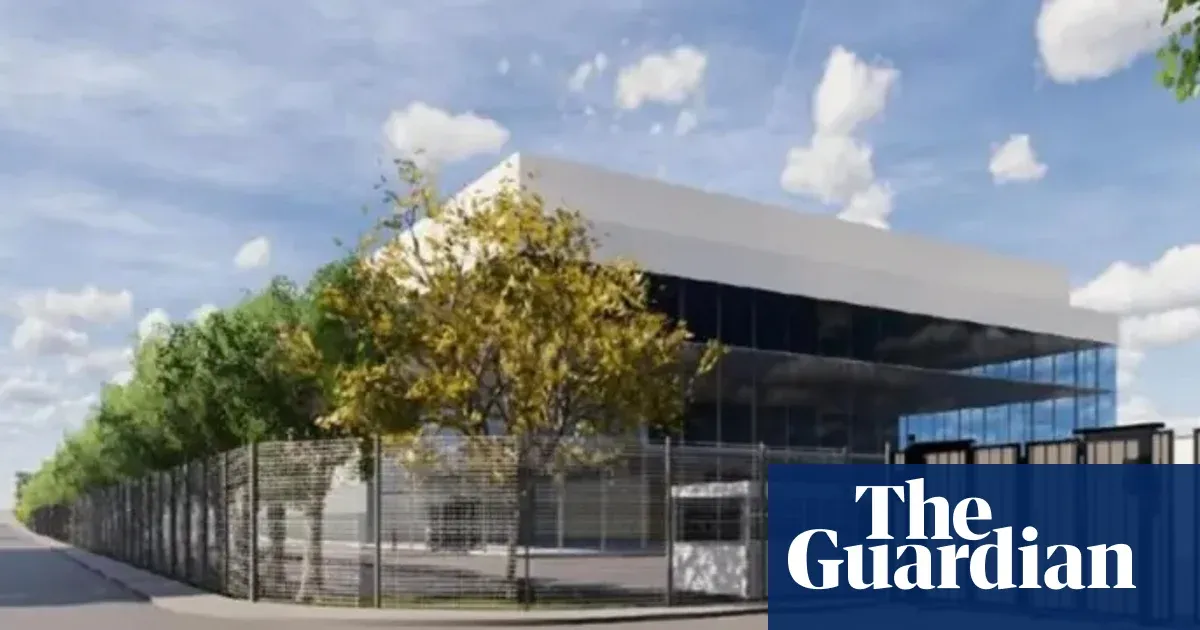
Microsoft has pulled out of Nscale's planned AI datacentre in Loughton, Essex, over power supply concerns, stripping the project of its anchor tenant. For decision-makers, the move underscores how electricity availability, not just demand, is now the binding constraint on AI buildout and can unravel headline projects.
Microsoft has pulled out of Nscale's planned AI datacentre in Loughton, Essex, over power supply concerns, stripping the British developer of the anchor tenant for a project the UK government had heralded as the country's largest when it was announced in 2025. The facility was scheduled to open next year, but the withdrawal leaves its future uncertain and deals a significant blow to the UK's AI infrastructure ambitions.
The exit is a fresh setback for a development that was meant to showcase Britain's AI sector. Without Microsoft as the anchor tenant, Nscale must now scramble to secure a replacement customer or rework the project's power arrangements, a task made harder by the very issue that drove Microsoft away: the reliability and availability of electricity. The project's scale - touted as the largest AI datacentre in the country - makes finding an alternative tenant of similar magnitude a tall order, and the timeline for opening next year now looks increasingly optimistic.
For context, AI datacentres are among the most electricity-hungry facilities ever built, with some requiring hundreds of megawatts - enough to power a small city. The UK's grid, already under strain from electrification and aging infrastructure, has limited capacity for new high-demand connections, and connection queues can stretch for years. Projects like Nscale's often depend on securing firm power supply agreements, and any uncertainty can spook tenants. Microsoft's decision suggests that even a tech giant with deep pockets is unwilling to bet on a site where power delivery is not guaranteed.
Microsoft's move highlights a broader shift in the AI infrastructure market. Tech giants are increasingly scrutinizing power availability before committing to datacentre leases, and some are walking away from projects that cannot guarantee clean, reliable, and affordable electricity. This is not just a UK problem; similar dynamics are playing out in other regions with grid constraints, from parts of the United States to Europe. The era of announcing datacentres first and solving power later is ending, and companies that fail to secure energy early are finding themselves at a competitive disadvantage.
For Nscale, the immediate challenge is financial and operational. The company had likely planned its construction timeline around Microsoft's commitment, and losing that revenue stream could delay or shrink the project. The company may need to renegotiate with its own investors and lenders, who will now see higher risk. It could also face pressure to reduce the project's scope or seek government support, though neither option is straightforward. The loss of an anchor tenant of Microsoft's stature also sends a signal to other potential customers that the site may have fundamental issues.
For the UK government, the pullout is an awkward reversal. Ministers had touted the Loughton site as a flagship for the country's AI sector, part of a broader push to position Britain as a global AI hub. The setback raises questions about whether the grid can support the datacentre boom the government is trying to attract. It also gives ammunition to critics who argue that the UK's planning and energy policies are not keeping pace with the demands of next-generation technology. The government has been courting tech investment, but this episode suggests that policy support alone cannot overcome physical infrastructure constraints.
The episode offers a clear lesson for executives and policymakers: power is the new bottleneck for AI. Companies should secure electricity capacity before announcing projects, and governments must invest in grid upgrades and faster connection processes. Otherwise, more projects will follow Microsoft's lead. For boards, the takeaway is to treat power supply as a due diligence item as critical as land, permits, and capital. A datacentre without guaranteed power is just an expensive building.
The Nscale project is not necessarily dead, but it is now at a critical juncture. Whether it survives will depend on Nscale's ability to find a new tenant or adapt its plans. For the wider industry, the message is unambiguous: in the race to build AI infrastructure, the winners will be those who solve the power puzzle first. Microsoft's exit is a reminder that even the most heralded projects can unravel when the grid cannot deliver.
This story's Key Insights and Take-aways are locked.
Create a free account to unlock Executive Actions for one credit.
Register to UnlockAlways free for Executives Club members. Join the Club
More in Business

Elon Musk unveils a flying car, and SpaceX helped build it
The Tesla CEO's showcase at a SpaceX facility signals a future where road and rocket engineering converge.

Apple's $2,000 iPhone Duo opens preorders, taking on Samsung and Google
Apple's first foldable hits the market at a premium price, reshaping a category Samsung and Google have led.

Pope Leo XIV, first American pope, diagnosed with lung cancer
The 71-year-old Chicago-born pontiff underwent successful surgery on his right lung, and his diagnosis raises new questions about his AI-focused papacy and the Vatican's future.