

Microsoft quietly extends Windows 10 ESU by 1 year to Oct 12, 2027
Decision-makers get a rare reprieve: one more year of paid extended updates for Windows 10 after support ended.
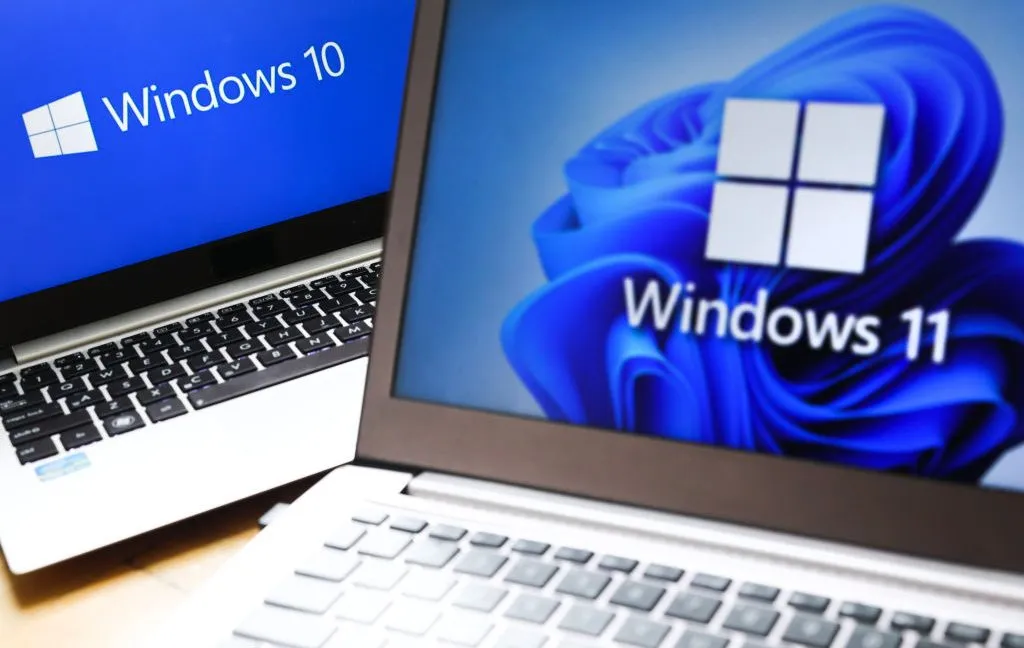
Microsoft has extended its Windows 10 Extended Security Updates (ESU) program by another year, pushing the end date to October 12, 2027 from October 12, 2026. For organizations that missed the Windows 11 migration window, the change buys time but does not remove the security and planning risk.
Microsoft ended official support for Windows 10 in 2025, but the company just extended the runway for anyone still stuck on the older OS. Microsoft’s Extended Security Updates (ESU) program now runs until October 12, 2027, after it was previously set to end October 12, 2026. The policy update shows up on the ESU support page and Microsoft’s blog post has an editor’s note confirming the change.
If you are asking “why does this matter now?” the answer is simple: the last regular updates rolled out to Windows 10 in October of last year. After that, unpatched Windows machines become more exposed, because the Internet is not exactly a place that rewards patience. Microsoft’s stated approach to this has been to give people using the older OS a free year of extended updates, so those systems are not immediately left defenseless when mainstream support stops.
Here is the timeline as it actually plays out. Microsoft ended official support for Windows 10 in 2025. Microsoft had promised a year of optional extended update support, and the original plan for ESU support was an end date of October 12, 2026. Under that earlier schedule, Windows 10 would have reached its next hard stop one year earlier, forcing faster migration decisions than many enterprises, IT teams, and device fleets were ready for.
But Microsoft has now changed its policy again, “tacking on another year” to the ESU program. The effect is not just a calendar shift. It is an operational extension for organizations that still have about a quarter of PCs running Windows 10, which is the scale of the legacy problem Microsoft is trying to manage. When that kind of installed base lingers, migrations do not fail because leaders do not care. They fail because the work touches everything: hardware lifecycle decisions, app compatibility testing, deployment tooling, security controls, and user disruption. Those are all real bottlenecks, and they rarely line up neatly with vendor deadlines.
This extension also lands in a moment where Microsoft’s own transition pressure already looks like it needed more time. The source notes that Windows 11 usage had only barely surpassed Windows 10 when Windows 10 support ended. That is an important detail because it reframes the ESU decision as a response to a market reality, not just a technical maintenance policy. When adoption is slow, the security tail does not disappear on schedule. It just stretches.
For executives and boards, the operational risk is obvious, but the second-order risk is where governance shows up. The longer the tail of unsupported or lightly supported systems exists, the more pressure accumulates across stakeholders. IT has to maintain compensating controls longer, security teams have to monitor exposures for a longer period, procurement has to coordinate device replacement and licensing, and internal audit has to justify why exceptions persist. Every extra year can reduce immediate pain, but it can also create a “soft landing” that makes leadership less likely to treat migration as urgent.
That is why the “free year of extended updates” framing matters. It implies Microsoft is managing the security transition with a compromise: give organizations time, but keep the systems covered. The extension to October 12, 2027 means the compromise just runs longer. Microsoft updated the ESU support page with the new date, and its blog post now includes an editor’s note confirming the change. That might sound mundane, but in enterprise environments, a small policy change can ripple into budgets, project plans, and compliance timelines.
And there is a regulatory angle hiding in plain sight. When vendors end support, the compliance conversation usually moves from “best practice” to “requirement,” especially for organizations with obligations around security patching, vulnerability management, and risk documentation. While the source does not cite specific regulators, the pattern is consistent: missed patches can trigger scrutiny, incident exposure, and costly remediation. An added year of ESU can create breathing room for documentation and remediation plans, but it can also delay the moment when an organization must show it has truly reduced its attack surface by moving off Windows 10.
So what should decision-makers take from this? Microsoft is not declaring Windows 10 “safe forever.” It is extending the formal window of extended updates by one year, from October 12, 2026 to October 12, 2027, after mainstream support ended in 2025. The stakes remain: last regular updates landed in October of last year, and leaving machines unpatched is dangerous. The extension buys time for migrations and risk mitigation, but it does not remove the underlying choice facing leaders with legacy fleets: plan the transition like an operational inevitability, not like an optional project you can keep postponing.
This story's Key Insights and Take-aways are locked.
Create a free account to unlock Executive Actions for one credit.
Register to UnlockAlways free for Executives Club members. Join the Club
More in Technology

Nvidia's $89B data center quarter: the 9 companies cashing in
The AI buildout is minting fortunes beyond GPUs, and memory, cloud, and cooling suppliers are riding the same wave.

Google quietly links your phone number to every Android account on your SIM
Adding a SIM now ties your phone number to all Google accounts - and future accounts inherit it. Here's the security and privacy stakes.

Hijacker AI 'Skynet mode' runs 100,000 attack steps against exposed models
Symantec caught a criminal AI agent that borrows other models, steals data, and mines crypto; the only relief is no confirmed victims yet.