

Microsoft’s Mustafa Suleyman says superintelligence is near, but Microsoft must stand alone
The Microsoft AI chief links a new OpenAI deal to building frontier models in-house, not staying dependent.
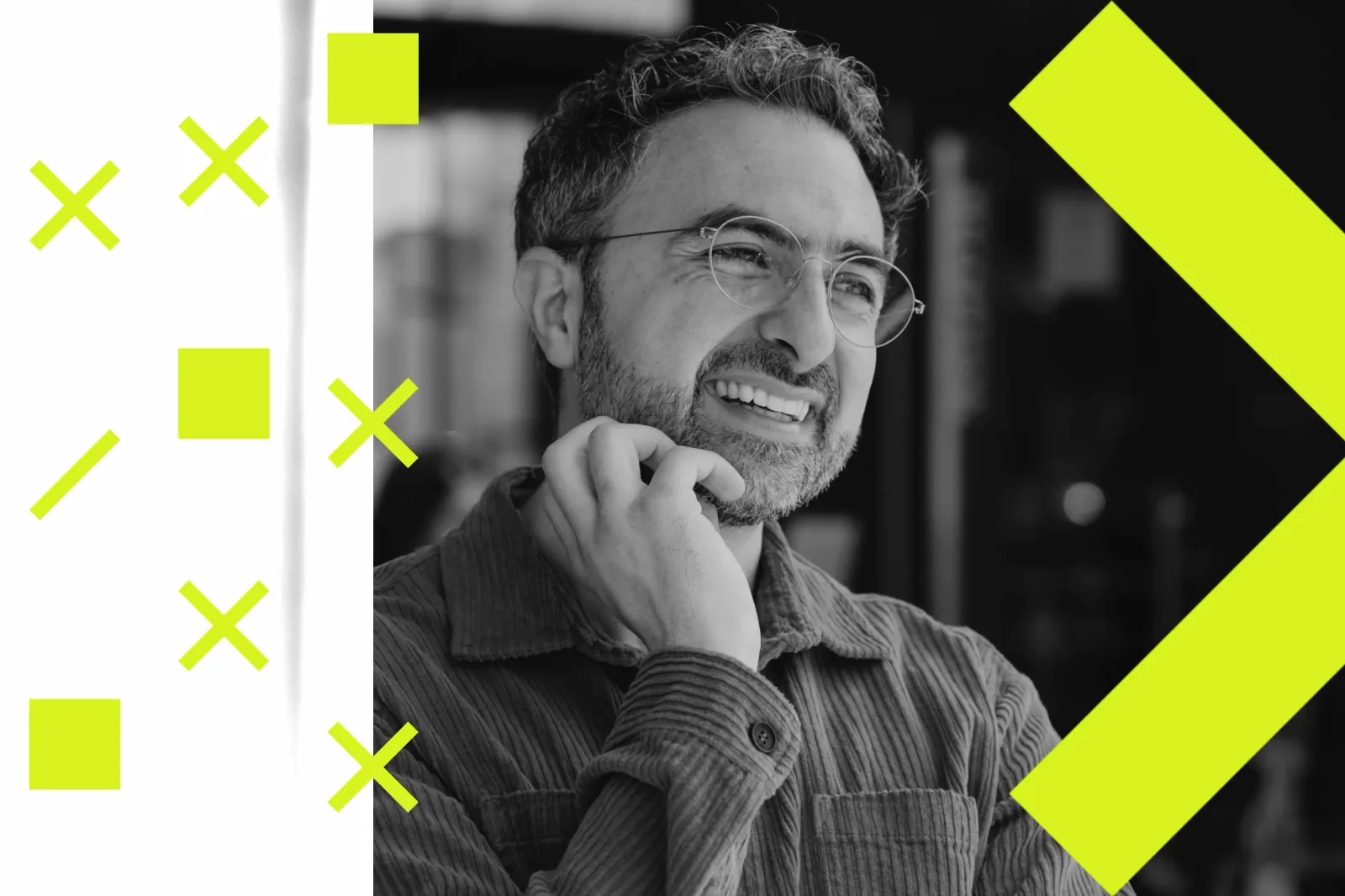
Mustafa Suleyman, CEO of Microsoft AI, says Microsoft reorganized to train frontier models and pursue superintelligence independently, enabled by a new October contract with OpenAI. The shift matters because it changes who captures long-term value as AI moves from models to “most valuable technology of all time.”
Mustafa Suleyman, CEO of Microsoft AI, says the “superintelligence” moment is “just around the corner.” Then he immediately pivots to the boring-but-expensive question every board member eventually has to answer: if that future is coming fast, can Microsoft afford to rely on someone else’s IP forever?
In an interview about Microsoft’s restructured AI operation, Suleyman lays out the key move plainly. He says Microsoft’s journey to “reestablish our relationship with OpenAI” culminated in a new contract completed in October of last year. That deal, he says, did two things at once: it “cement[ed] and extend[ed] the partnership,” and it also “free[ed] us up to be able to pursue superintelligence independently,” while still keeping the ability to “buy and license” OpenAI models.
That contract is the runway for the organizational change. Suleyman describes how, since October, he has been assembling a “Superintelligence team,” building “clusters of sufficient scale to train frontier models,” and hiring a team focused on superintelligence. The point is not incremental improvements to consumer AI products. It is a refocus on the frontier, which he frames as a long-term bet that Microsoft can build and train its own world-class models rather than simply adapting someone else’s research.
Why does he keep saying “independently”? Because Microsoft already has the distribution and enterprise footprint that can turn models into durable revenue. He emphasizes that Microsoft is one of the largest technology companies in the world and claims that “493 of the 500 largest companies that store and process most of their data on our systems” use Azure, M365, and Teams. In other words, if AI becomes a foundational layer of business, Microsoft is arguing it can be too strategically important to remain a downstream customer of another lab’s core breakthroughs.
He also answers the obvious follow-up: the partnership was originally meant to split roles. The original notion, in his telling, was that OpenAI would be a research lab providing models, while Microsoft would build the products, using its go-to-market and enterprise strength. But that “thing that changed,” he says, is that OpenAI broadened beyond research: as ChatGPT generated massive success, OpenAI moved “full stack,” including building its own data centers, creating its own chip, and exploring taking models direct to market through offerings like ChatGPT Enterprise. Meanwhile, Microsoft’s own incentives point the other direction. If the long-term value concentrates in who owns and trains the frontier, Microsoft cannot be satisfied being the platform that distributes someone else’s capability.
Suleyman ties this tension to the wider context of OpenAI’s legal and governance drama. He references the trial involving Elon Musk, OpenAI, and Sam Altman, and notes that Microsoft’s presence showed up in court only in a narrow way, with a Microsoft lawyer reportedly saying, “And we weren’t around,” and the response being yes. He uses the trial as a marker for how the partnership evolved, but his central argument is organizational and strategic: this shift was “triggered when OpenAI and so on had their board issue,” and then amplified as Microsoft adjusted its own long-term posture.
The most telling part is his framing of executive incentives. Suleyman discusses a moment from the trial where Microsoft CEO Satya Nadella is quoted as saying, “I don't want to be Intel and have OpenAI be Microsoft.” He connects it directly to the inversion Nadella worries about: Nadella allegedly does not want Microsoft to be the provider of distribution while OpenAI captures the value and could eventually swap Microsoft out, in the way Windows and Intel roles shifted over time. Suleyman doesn’t claim Nadella called him for a one-time pep talk. Instead, he says this was “Satya's decision as well as Amy, Brad, and many other people,” and that corporate direction changes are “slow-moving,” involving “tweaking and adjustment” as the company realizes where it is heading.
So when Suleyman says superintelligence is “just around the corner,” it is not just a sci-fi headline for AI fans. It is a forcing function for corporate planning. If superintelligence is near, then the question stops being who has the best chatbot. It becomes who owns the training pipeline, who can scale frontier clusters, and who can credibly “stand on our own two feet” in the long run. For Microsoft, he implies, the October contract buys time to transition carefully, protect the relationship with OpenAI, and still build the internal capability necessary to capture the future’s most valuable technology. For other executives in the AI ecosystem, the second-order lesson is unavoidable: partnerships can coexist with independence, but only if you fund the independence like it is already happening.
This story's Key Insights and Take-aways are locked.
Create a free account to unlock Executive Actions for one credit.
Register to UnlockAlways free for Executives Club members. Join the Club
More in Technology

OpenAI says 10,000 agents cracked a 90-year math problem in 88 hours
The company's claim is audacious, but one mathematician is pushing back. Here's what it means for AI-driven discovery.

Meta still serves child sexual abuse ads on Instagram in India - BBC report
A new report following the BBC Eye investigation says the ads are still there - what it signals for every platform with a self-serve ad engine.

White House yanks 'Build the Wall' game after Tetris Company copyright warning
The administration's arcade game vanished in hours - and the takedown playbook every brand can learn from.