

Microsoft tests ad-supported game streaming on Xbox, pushing monetization beyond subscriptions
The Xbox streaming pilot signals a new revenue lever that could reshape pricing, partnerships, and user expectations.
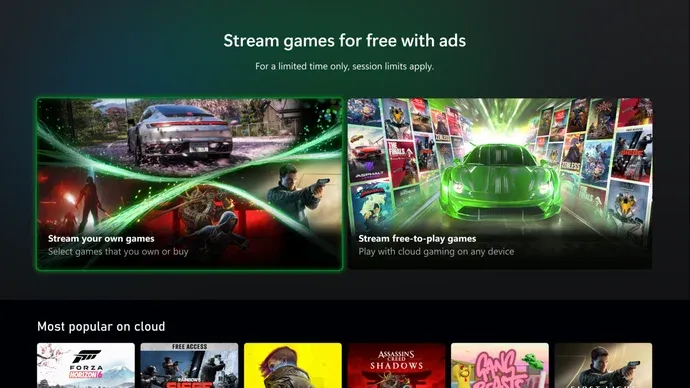
Microsoft has begun testing ad-supported game streaming on Xbox. For decision-makers, it adds a potential third monetization path besides subscriptions and upfront game sales.
Microsoft has started testing ad-supported game streaming on Xbox, and it is exactly the kind of quiet product move that can quietly redraw a whole business model. The company is experimenting with game streaming where ads are part of the experience, turning what many players treat like “just another way to play” into a potential new advertising surface.
If you manage subscriptions, partnerships, or consumer pricing, this matters because Microsoft is testing monetization at the layer players least expect to be paid for twice. Game streaming already changes economics by shifting delivery from downloads to networked sessions. Adding ads introduces another variable into the customer journey: instead of only asking players to pay with money (subscription or purchases), Microsoft is also asking partners to pay with attention.
To understand why executives should care, zoom out to how streaming businesses typically fund themselves. Streaming platforms often juggle three levers: subscriptions, licensing and partnerships, and advertising. Ads are attractive because they can subsidize costs and reduce direct price pressure. But they also come with tradeoffs, especially in gaming where timing and immersion are sacred. Even without getting into details that the source does not provide, the underlying point is clear: Microsoft is probing whether ads can coexist with the expectations players associate with console gaming and whether that coexistence can be scaled.
There is also a boardroom angle here. Microsoft is not replacing everything at once. It is testing. Testing matters because it is a risk-controlled way to see if ad-supported streaming improves revenue per user without triggering churn or backlash severe enough to damage the core brand. For an executive team, that is the difference between a strategic pivot and a strategic experiment. A test can fail fast and stay contained. It can also succeed in ways that surprise you, because consumer behavior can be more flexible than expected when the value proposition is strong.
This move also lands in a wider regulatory and policy landscape that gaming and streaming companies cannot ignore. Advertising in digital environments tends to draw scrutiny around user data, targeting, and consumer transparency, depending on region. The source does not specify how Microsoft will handle targeting, measurement, or disclosure. But even when a company keeps the mechanics under wraps, the decision to include ads in a streaming experience is itself a signal that Microsoft believes the model can be operated within existing rules or through compliant design choices.
There is another second-order effect that executives should watch: the incentive structure for publishers and platform partners. Ad-supported streaming can change how value is split across the stack. Publishers may care about whether ad insertion impacts player engagement or session length. Platform partners may care about ad inventory, reporting, and the ability to forecast monetization. Even if Microsoft keeps terms separate from specific publishers during the trial, the existence of an ad layer creates a new negotiation framework for future partnerships.
And then there is the competitive pressure that comes with being first, even when you are just testing. Once one major platform runs an ad-supported streaming pilot, other players in the market can learn from the results, whether through public observation or competitive inference. That can trigger broader experimentation elsewhere, because ad monetization is often seen as a way to increase average revenue without raising subscription prices too aggressively. If Microsoft’s test performs well, it could shift industry assumptions about what streaming users “should” tolerate.
For peers in leadership roles, the strategic stakes are straightforward: Microsoft is exploring a monetization path that could affect pricing strategy, user experience priorities, partner economics, and compliance workloads. If you are on the hook for growth and retention, you want to understand whether ads can be positioned as value-enhancing rather than value-extracting. If you are on the hook for risk management, you want to be ready for how the presence of advertising changes measurement, privacy considerations, and consumer communications. In other words, this is not just a product test. It is a business model question being stress-tested inside an ecosystem where immersion is part of the currency.
This story's Key Insights and Take-aways are locked.
Create a free account to unlock Executive Actions for one credit.
Register to UnlockAlways free for Executives Club members. Join the Club
More in Entertainment

'It's a Magic Trick': Ballet Experts Say Rosalía's SNL Pose Is Impossible
Three ballet experts tell Rolling Stone Rosalía's gravity-defying SNL stillness shouldn't be possible - and why the debate is now part of the show.

Activision CMO: GTA 6 Will Boost Call of Duty, Not Bury It
Activision's top marketer says Rockstar's blockbuster will drive players back to consoles and into Modern Warfare 4, even as the company admits its recent strategy failed.

Justice to Score GTA 6, Share New Song with Tame Impala, SZA, King Gizzard
Rockstar taps the French duo for the GTA VI score, and the first taste is a genre-melting collab with Tame Impala, SZA, and King Gizzard & The Lizard Wizard.