
Mitsubishi revives iconic Pajero SUV to reclaim global market share
The legendary off-roader returns as Mitsubishi bets on nostalgia and the booming SUV market to win back global buyers.
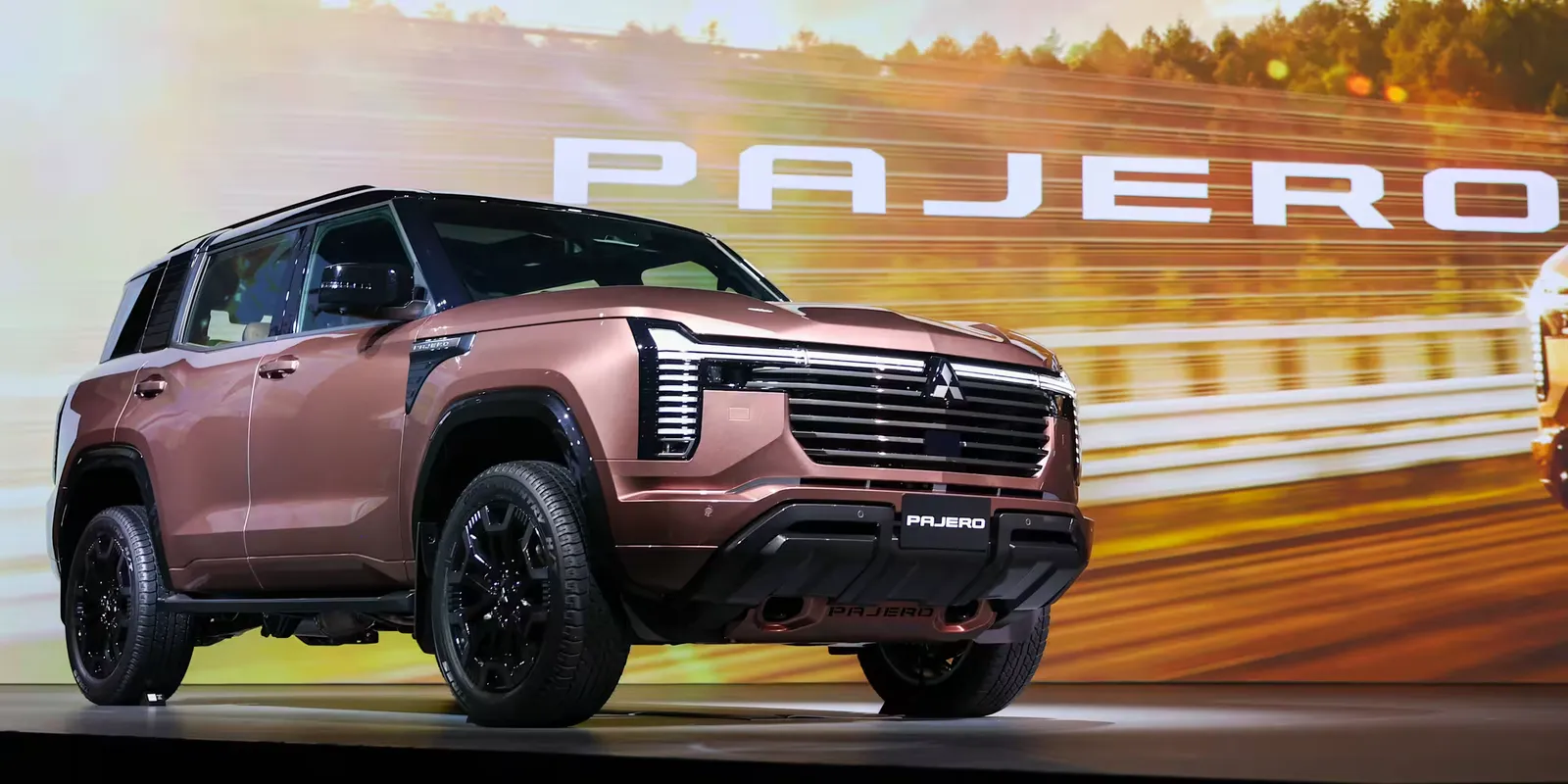
Mitsubishi Motors is reviving its iconic Pajero SUV as part of a strategy to regain a global presence. The move signals a bet on the enduring appeal of the SUV segment and the brand's off-road heritage.
Mitsubishi Motors is bringing back the Pajero, a nameplate that defined off-road capability for decades, as part of a calculated push to rebuild its global footprint. The revival, confirmed by the company's strategic direction, positions the iconic SUV as the spearhead of a broader effort to win back customers in key markets where the brand has lost ground. For a company that has spent years retrenching and refocusing, the return of the Pajero is a bold statement of intent.
For those who remember the Pajero's heyday, this is more than a nostalgia play. The Pajero was a dominant force in the world's toughest rallies, including multiple victories at the Dakar Rally, and it helped establish Mitsubishi as a serious player in the SUV segment. By reviving this nameplate, Mitsubishi is signaling that it wants to reclaim that heritage and translate it into modern sales. The move is designed to leverage the brand's off-road DNA at a time when consumers globally cannot seem to get enough of SUVs and crossovers.
The decision comes as the global automotive industry undergoes a seismic shift toward electrification and software-defined vehicles. Traditional automakers are being forced to balance investments in new technologies with the need to maintain profitable internal combustion engine lineups. For Mitsubishi, a relatively small player compared to giants like Toyota and Volkswagen, the Pajero revival is a way to differentiate itself in a crowded market. The SUV segment, while fiercely competitive, still offers room for brands with a distinct identity, and few names carry the off-road credibility of the Pajero.
Historically, the Pajero was a global best-seller, particularly in markets like the Middle East, Australia, and Southeast Asia, where its ruggedness and reliability were highly valued. The original model, first introduced in the early 1980s, helped pioneer the luxury SUV segment, blending on-road comfort with serious off-road capability. Over its four-decade production run, it developed a loyal following that still exists today. By reviving the nameplate, Mitsubishi is tapping into that reservoir of goodwill, hoping that nostalgia will translate into showroom traffic.
However, the competitive landscape looks very different today than it did when the Pajero last rolled off the line. The SUV market is now saturated with options, from budget-friendly crossovers to ultra-luxury electric SUVs. Rivals like Toyota's Land Cruiser, Jeep's Wrangler, and Land Rover's Defender have all evolved their lineups to meet modern demands for efficiency, technology, and safety. Mitsubishi will need to ensure that the new Pajero not only honors its heritage but also meets the expectations of a new generation of buyers who may not have the same emotional connection to the nameplate.
The strategic stakes for Mitsubishi are significant. The company has been through a turbulent period, including a major fuel economy scandal in 2016 that damaged its reputation and led to Nissan taking a controlling stake. Since then, Mitsubishi has focused on rationalizing its lineup and cutting costs, but it has struggled to find a clear identity in a rapidly consolidating industry. The Pajero revival is a bet that heritage and capability can still win the day, but it is not without risks. If the new model fails to resonate with buyers, it could set the brand back further.
For competitors and industry observers, the Pajero's return is a reminder that brand equity built over decades still holds value, even in an era of rapid technological change. It also highlights the growing importance of the SUV segment as a profit engine for automakers worldwide. As Mitsubishi looks to regain its footing, the success or failure of the Pajero will be closely watched. The company is betting that the name that once conquered the desert will help it conquer the showroom floor once again.
This story's Key Insights and Take-aways are locked.
Create a free account to unlock Executive Actions for one credit.
Register to UnlockAlways free for Executives Club members. Join the Club
More in Business

Tim Cook steps down as Apple CEO, stays on as chair with $45M equity
The 'Trump whisperer' keeps his White House and Beijing access as Apple navigates tariffs and a $4.6 trillion market cap.

Snowflake shares surge as AI data demand crushes estimates, lifting full-year forecast
Stocks jumped on stronger-than-expected guidance, signaling enterprise AI workloads are accelerating faster than Wall Street priced in.
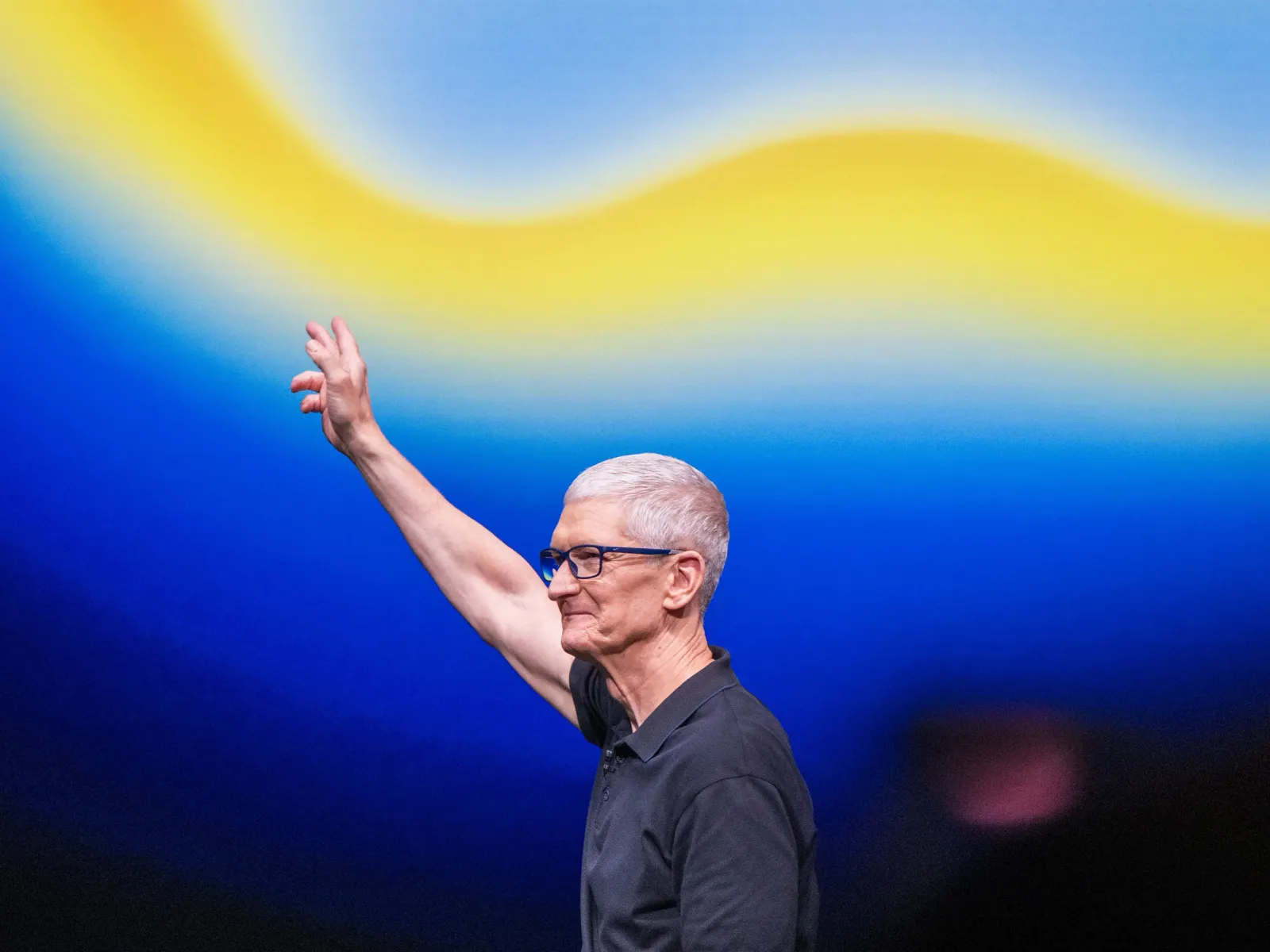
Tim Cook's 15-year Apple CEO run ends: 3 lessons for any successor
After 15 years, Tim Cook hands Apple to John Ternus - here's how he turned a $350B company into a $4.6T juggernaut.