

Moby says 1991 UK rave crowds and Paul Oakenfold helped invent rave culture
In a festival closer, Moby links the UK rave breakthrough to key DJs and a defining 10,000-person moment.
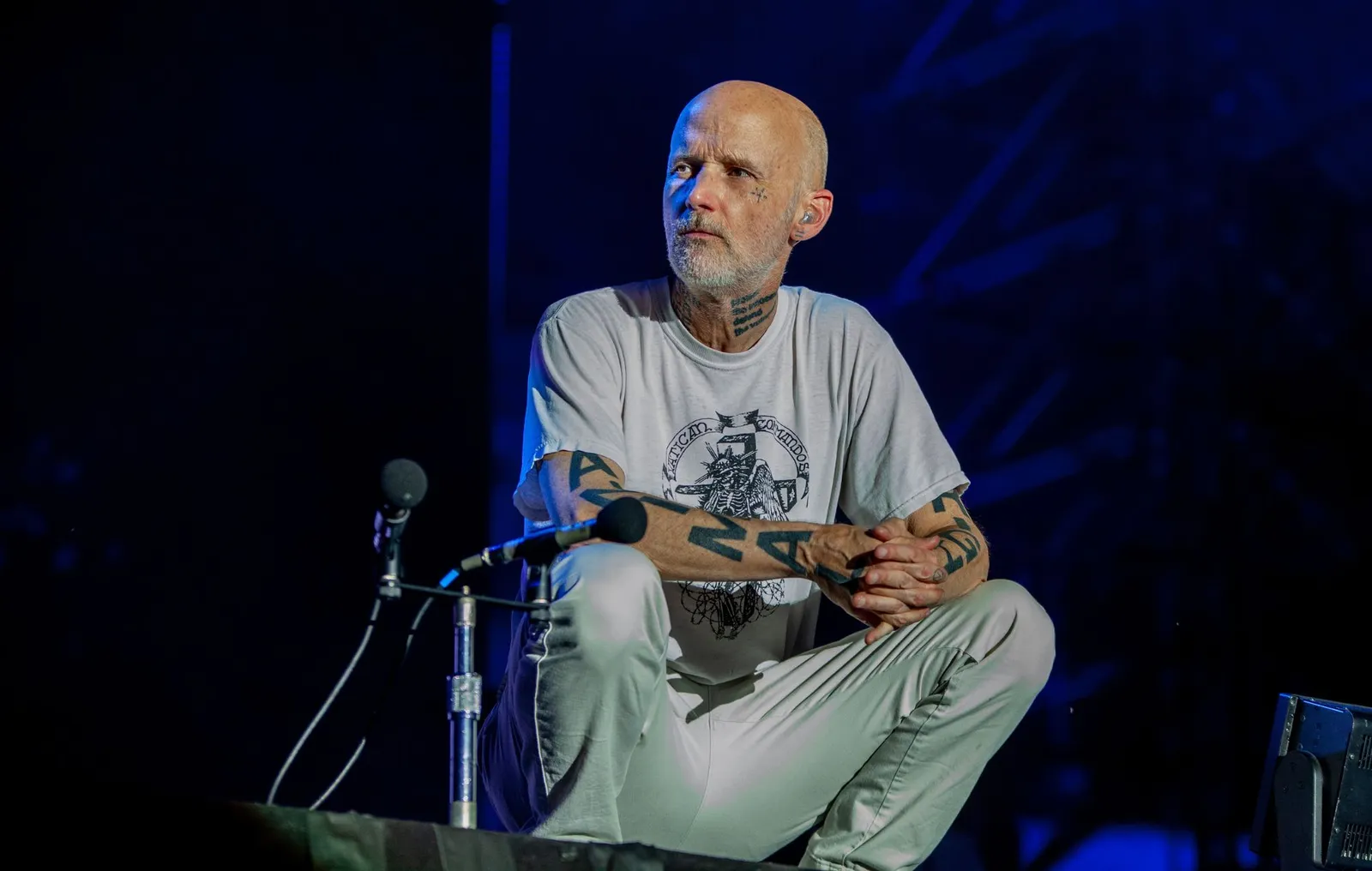
Moby used his landmark set at On The Beach Festival to explain how UK originators helped shape rave culture. For decision-makers, his account is a reminder that culture is built by repeatable systems, not just talent.
Moby has a talent for making pop history feel like it just happened yesterday. During his landmark set at On The Beach Festival, he explained how the UK helped invent rave culture, naming specific originators and pointing to the moment he first experienced that scale firsthand. “You guys did something fascinating,” he said, and then he got very concrete about the timeline, including coming to the UK in 1990 and 1991 and playing his first ever rave in 1991, “called Rain Dance,” with “10,000 people just celebrating.”
Right there is the stakes. Moby is not talking in vague nostalgia. He describes rave culture as something with a measurable, repeatable energy: crowds, DJs, and a shared emotional payoff when a new track hits. He singled out one defining moment at that first rave, when the DJ played “Everybody’s Free” by Rozalla, “which had just come out,” and “everyone threw their hands in the air” and it “felt like perfection.” Then he framed the night as a kind of cultural debt payment, saying he would be playing his last song of the night while dedicating it to “the spirit of rave culture that you invented, and have kept alive” since the 90s.
To understand why this matters beyond music trivia, zoom out to how modern live events work and why culture-layers become industry-layers. Moby’s set at On The Beach Festival closed out the 2026 edition with a huge headline set, which marked his first in nearly 25 years. In the same performance, he broke out fan favourites including “We Are All Made of Stars,” “Extreme Ways,” “Porcelain,” and “Natural Blues,” then closed with 1994 track “Feeling So Real.” This combination is not random. It shows how a legacy act can anchor a new audience while still letting the scene feel current. Rave culture, as Moby tells it, is built the same way, by connecting discovery to community and community to ritual.
He also drew a distinction that executives should notice: house music and rave culture are not the same invention, even when they share family resemblance. Moby said that his friend, DJ and producer Frankie Knuckles, “invented house music [when] he moved from New York to Chicago.” But for rave culture specifically, he pointed the compass back to the UK originators. He said it was “the originators like Paul Oakenfold and Danny Rampling and Pete Tong and Carl Cox ” who “invented rave culture.” And he insisted he was not exaggerating, adding, “I don’t think I’m overstating it. I don’t think it’s hyperbole.”
That framing has a business logic, even if it is delivered like a fan story. When you scale a scene, you tend to need both creation and distribution. Frankie Knuckles is presented in Moby’s account as a creator tied to geographic movement and a new musical framework. Oakenfold, Rampling, Tong, and Cox are presented as originators tied to rave culture itself, implying the UK role was not just absorbing an existing sound, but giving the scene its recognizable structure. That structure is what turns a genre into a repeatable machine, one that can generate crowds, venues, and careers. Executives looking at event platforms, streaming ecosystems, or music licensing should hear the subtext: the differentiator is often not the first spark, it is the operationalized culture that makes the spark repeat.
Moby added that his “such an Anglophile” identity formed early, long before he had any reason to connect himself to rave history. He said he was “obsessed” with British culture from when he “was six-years-old,” because he could watch Monty Python on Channel 13. His deep love for music came after discovering UK acts including Sex Pistols, The Clash, Public Image, Joy Division, Echo And The Bunnymen and more. That matters because it ties his later authority on the subject to something rooted in exposure, not just adulthood. For boards and operators, that is a reminder that audience formation is often long-running and cross-media. It is not only marketing spend that shapes communities. It is repeated exposure to a cultural set of cues, characters, and references that eventually congeal into identity.
Moby’s emphasis on identity extends beyond rave culture. In an interview with NME in 2023, as part of the “Does Rock N’ Roll Kill Braincells?!” series, he revealed some of his favourite artists over the years. He said, “After David Bowie, my second favourite band was Joy Division.” He added that his high school band covered multiple Joy Division songs and that his yearbook quote was from “Love Will Tear Us Apart.” He then described the self-awareness behind how he tried to present himself: he was “so desperate to not be seen as a sad, suburban aspiring punk rock, new wave kid” that he “pretended to be British,” in a “- Madonna -style - pretended” way. The punchline was his accent, which he said was a “subpar version of Dick Van Dyke in Mary Poppins,” and he said he was “pretending to people I’d already been in school with for the last eight years!” The joke lands because it is specific, and executives should pay attention to specificity: communities reward authenticity that sounds lived-in.
So what is the second-order implication for decision-makers who do not care about Monty Python? It is about how culture becomes infrastructure. Moby’s account suggests rave culture’s DNA is a combination of UK originators and a live communal moment, like 10,000 people celebrating and a just-released track triggering a mass gesture of joy. That is a blueprint for engagement. Whether you are building a ticketing stack, negotiating rights, investing in live production, or designing creator monetization, the performance is only half the product. The other half is the shared experience that people want to repeat and tell each other about.
Finally, there is a strategic stake for peers running large event calendars. Moby’s set at On The Beach Festival was not merely a headline. It was an explicit historical argument about authorship, giving credit to named originators and anchoring the origin story in a 1991 rave and a track moment. If you manage a platform or an ecosystem, you need to understand who gets credited and why, because those narratives become retention, partnerships, and brand equity. In short: Moby’s story is entertainment, yes. But it is also a reminder that the biggest cultural outcomes are engineered by scenes that can scale.
This story's Key Insights and Take-aways are locked.
Create a free account to unlock Executive Actions for one credit.
Register to UnlockAlways free for Executives Club members. Join the Club
More in Entertainment

'It's a Magic Trick': Ballet Experts Say Rosalía's SNL Pose Is Impossible
Three ballet experts tell Rolling Stone Rosalía's gravity-defying SNL stillness shouldn't be possible - and why the debate is now part of the show.

Activision CMO: GTA 6 Will Boost Call of Duty, Not Bury It
Activision's top marketer says Rockstar's blockbuster will drive players back to consoles and into Modern Warfare 4, even as the company admits its recent strategy failed.
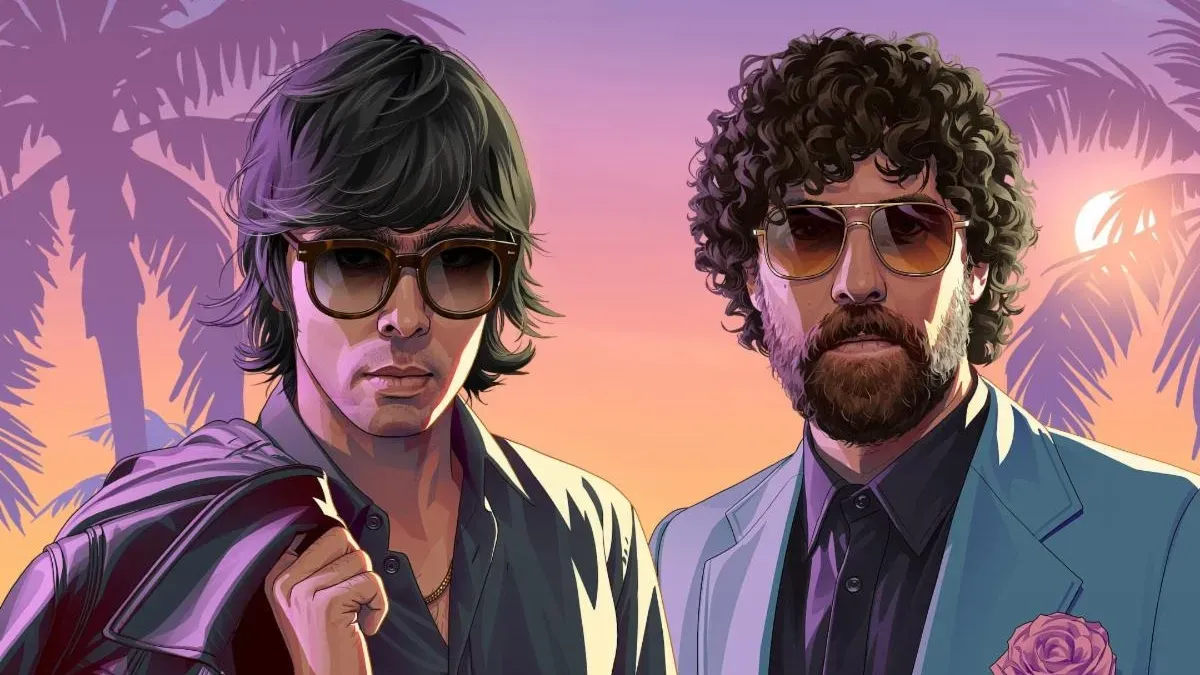
Justice to Score GTA 6, Share New Song with Tame Impala, SZA, King Gizzard
Rockstar taps the French duo for the GTA VI score, and the first taste is a genre-melting collab with Tame Impala, SZA, and King Gizzard & The Lizard Wizard.