

Mortal Kombat 2 director Simon McQuoid says MK3 fate is uncertain
He addresses Liu Kang and Kung Lao's on-screen futures and what happens next for the Mortal Kombat movie franchise.
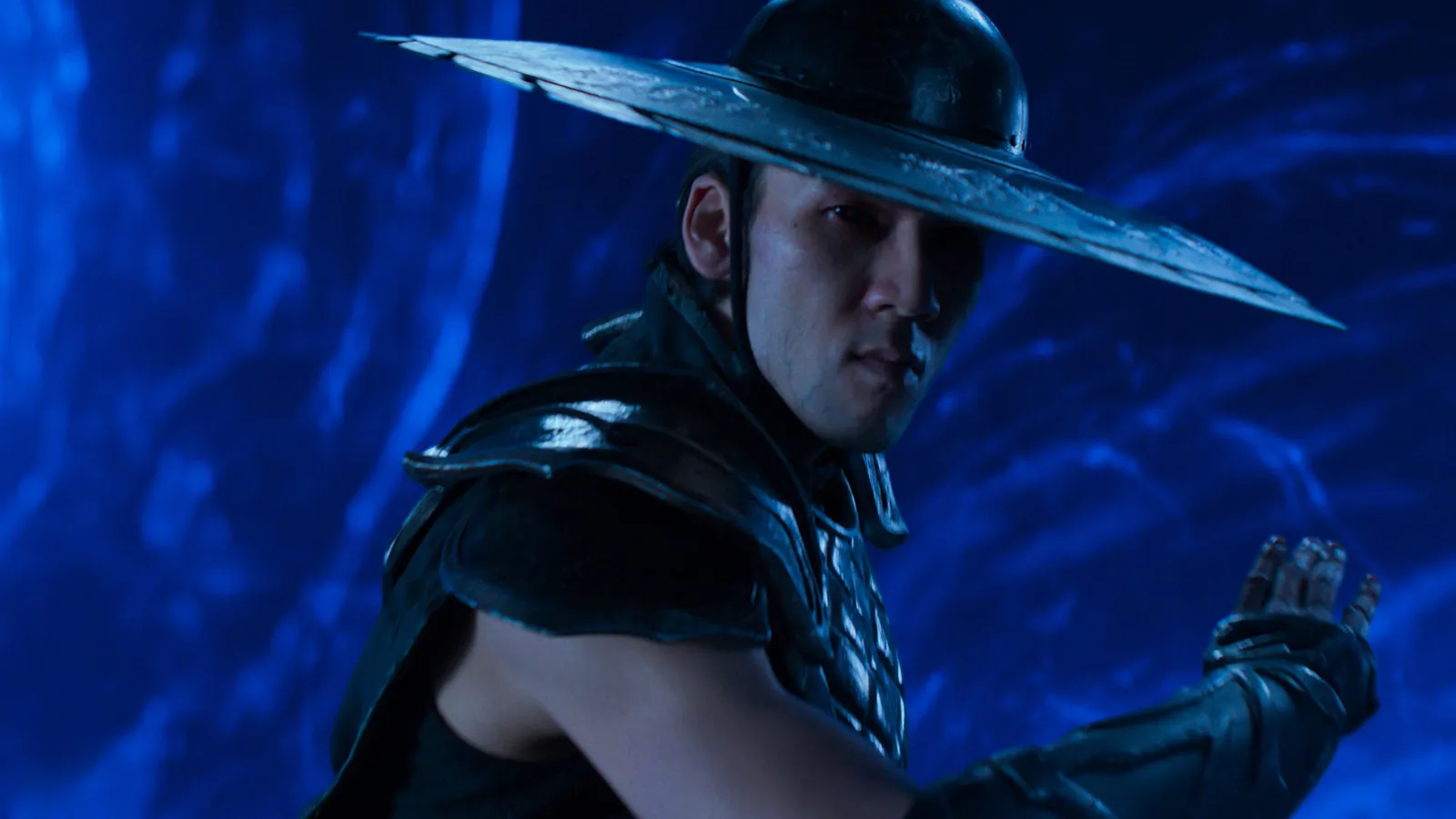
Simon McQuoid, director of Mortal Kombat 2, updated fans on Liu Kang and Kung Lao's fate after the film's ending. His remarks clarify what Mortal Kombat 3 could hinge on, and why the franchise is at a decision point for studios and investors.
This year's Mortal Kombat 2 ending left moviegoers with more cliffhangers than a punch-combo. The big questions are blunt: will characters who were freshly fatalitied come back to life, what really happened to Liu Kang after his battle with Shao Kahn, and will there actually be a Mortal Kombat 3 movie as promised. Those are not just fan-theater puzzles. They are franchise-risk questions, because every sequel has to translate “what fans want to see next” into “what financiers can underwrite.”
In the middle of that uncertainty, Simon McQuoid, the Mortal Kombat 2 director, gave an update to fans about what comes next. Specifically, he addressed Liu Kang and Kung Lao's fate and the future of the Mortal Kombat film franchise. The key detail is the title's mood shift: Mortal Kombat 3's fate is uncertain. In other words, the story threads set up by Mortal Kombat 2 are not a guaranteed launchpad, at least not on the timeline implied by fans who got excited by the promise of another film.
To understand why this matters beyond the fandom, look at how big action franchises behave as they move from film-to-film. The first movie establishes audience expectations. The sequel has to do two things at once: pay off enough plot to feel like progress, and preserve enough mystery to justify the next installment. Mortal Kombat 2 clearly chose mystery as a primary tool, and now the ending is doing the same job that studios and boards love, and hate at the same time. It creates anticipation. It also forces a decision: can the franchise carry its own narrative momentum long enough to secure the next release?
McQuoid's update highlights another industry reality: directors often become informal translators between what the story can do and what the market will fund. When a director says the fate of a sequel is uncertain, it is a reminder that filmmaking is not just craft and continuity. It is scheduling, budgeting, and risk management. Even when there is a “promised” Mortal Kombat 3, the practical question becomes whether the next project clears the bar for studios and investors based on performance, strategy, and competing priorities.
There is also a brand-and-regulation layer to consider, even if the Source is focused on the narrative. Mortal Kombat is built around fatalities, violence, and genre intensity. Those elements typically require careful ratings navigation and marketing positioning, and those are decisions that can affect rollout timing and audience reach. If a franchise team is deciding whether and when to greenlight Mortal Kombat 3, they are also implicitly deciding how to manage what the audience sees, where it is safe to advertise it, and how broadly it can travel. Uncertainty about the sequel can therefore become uncertainty about how widely the next story can be packaged.
Then there is the operational risk of narrative “reset.” If characters do not come back the way fans expect, the franchise can either pivot to a new arc or lose the emotional continuity that made the audience care in the first place. The Mortal Kombat 2 questions about Liu Kang after his battle with Shao Kahn and the fate of Kung Lao show how central continuity is for these movies. Continuity is the glue that turns a one-off hit into a multi-film engine. When continuity becomes unclear, the marketing has to work harder, and the next film has to earn its right to exist.
Second-order implications for decision-makers in entertainment are straightforward. Studios planning slate strategy need enough confidence that a project will be sustainable. Boards and investors need clarity on expected returns, and that starts with release certainty. Directors giving updates that confirm uncertainty is not a technicality; it is a signal that the next chapter depends on factors beyond what is on screen. For executives watching similar franchises, the Mortal Kombat 2 cliffhanger is a reminder: narrative momentum does not automatically equal corporate momentum. The industry still has to decide whether the franchise can keep moving, and how quickly.
So the practical stake is this. Fans want answers about who lives, who returns, and whether Mortal Kombat 3 becomes real. Executives and investors want to know whether “promised” will turn into “produced,” and whether the story setup can translate into a measurable business case. With Mortal Kombat 2's ending raising the stakes and McQuoid describing Mortal Kombat 3's fate as uncertain, the franchise is standing at a crossroads. The next move will determine whether these plot threads become the foundation for the next film or remain unresolved ghosts that haunt every future pitch.
This story's Key Insights and Take-aways are locked.
Create a free account to unlock Executive Actions for one credit.
Register to UnlockAlways free for Executives Club members. Join the Club
More in Entertainment

Russell Brand's accuser 'bewildered and confused' as he denies 7 sex charges
The criminal case against the comedian is a live test of how media companies manage talent risk when serious allegations go public.

'It's a Magic Trick': Ballet Experts Say Rosalía's SNL Pose Is Impossible
Three ballet experts tell Rolling Stone Rosalía's gravity-defying SNL stillness shouldn't be possible - and why the debate is now part of the show.

Activision CMO: GTA 6 Will Boost Call of Duty, Not Bury It
Activision's top marketer says Rockstar's blockbuster will drive players back to consoles and into Modern Warfare 4, even as the company admits its recent strategy failed.