

Motion Twin tells Guillermo del Toro to use Dead Cells Assist mode, not harder restarts
After del Toro complained about roguelike difficulty, the studio pointed to Assist mode that avoids full-run resets.
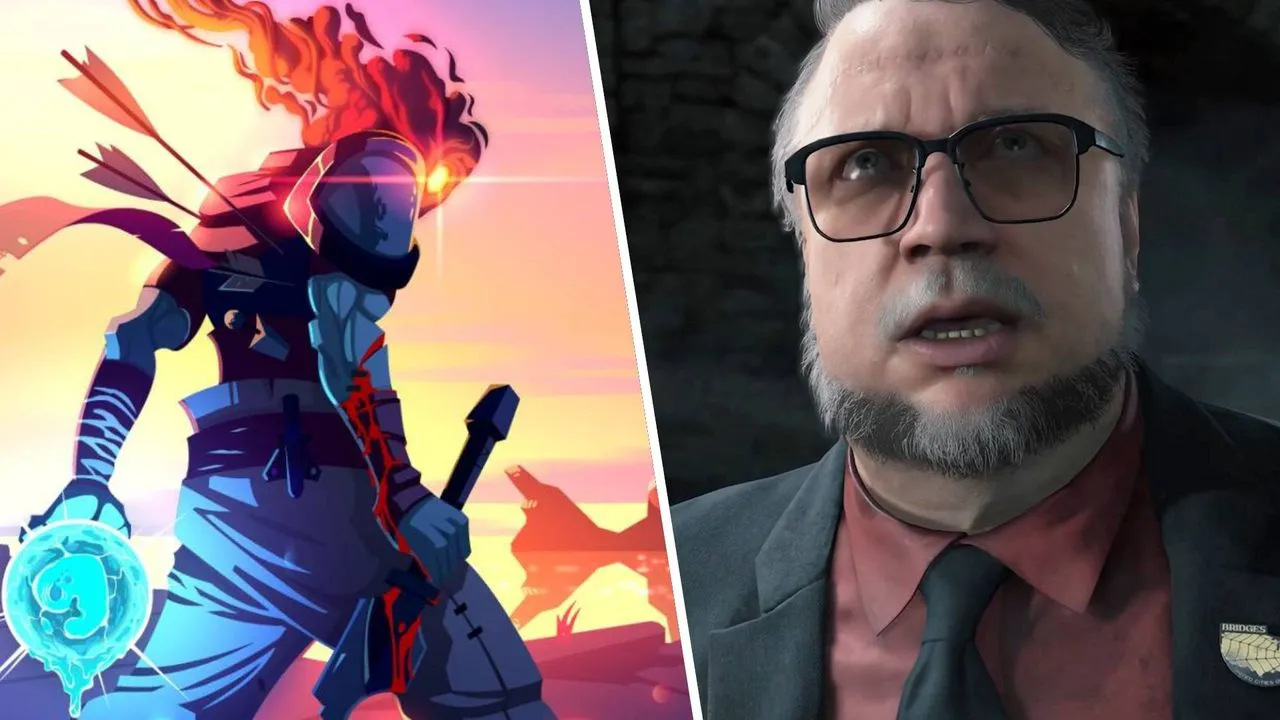
Guillermo del Toro said in a July 29 IGN interview that Dead Cells is too difficult and that he wished for an easier way to handle roguelike restarts. Motion Twin responded to IGN, saying Assist mode lets players resurrect at the start of the current biome or closest checkpoint.
Guillermo del Toro publicly lamented Dead Cells difficulty on July 29 in an IGN interview, specifically wishing the game had a mode that eased up on roguelike restarts. Motion Twin’s reply was immediate and, frankly, delightfully specific: the studio says Dead Cells already has an Assist mode that changes the whole “die, lose everything, start over” loop.
Here is the key detail Motion Twin gave IGN. Assist mode lets you resurrect at the start of the current biome or the closest checkpoint, rather than restarting the entire run. In other words, it is designed to keep the run moving when failure happens, instead of forcing a full reroll of the experience every time you get clipped by the game’s relentless action-roguelike momentum.
Why this matters goes beyond one celebrity director liking one game. Dead Cells is a “hardcore action-roguelike,” which means its identity is tightly coupled to punishment loops: death is supposed to be costly, and reruns are supposed to be learning tools. That design can be great. It also creates friction for players who want the challenge but not the “reset to zero” consequences, including the exact kind of frustration del Toro described. So when the developer says “we can even help him right now,” it is not just customer service. It is a direct product response to a user pain point that the genre itself usually insists is part of the deal.
The studio’s message also shows how developers think about public narratives. Motion Twin told IGN it wanted to put the moment into its “Cabinet of Curiosities,” and it emphasized both surprise and honor that del Toro is a Dead Cells player. That tone matters because it frames the complaint as a misunderstanding that can be solved with a feature already in the game, rather than as a demand to redesign the core mode. For boards and operators watching similar games, it is a useful example of how to defend the core product while still expanding accessibility. You can keep your “main” experience intact and still offer an on-ramp for different player needs.
If you step back, this is also about how product teams manage “accessibility without dilution.” Roguelikes often sell their difficulty as authenticity. But “authentic” does not have to mean “inaccessible.” Assist mode does not replace the game’s DNA. It adjusts one lever: the restart penalty. By letting players resurrect at the start of the current biome or closest checkpoint, it keeps momentum, reduces repetition, and changes the emotional texture of failure. That can widen the audience without erasing what hardcore players want. For decision-makers, that is the operational sweet spot: cater to more users without confusing what your brand stands for.
There is also an incentive angle. When high-profile people comment on difficulty, it can quickly become a proxy debate about who games are for. Developers can either get defensive or clarify. Motion Twin chose to clarify, and it pointed to a concrete existing mechanic. That is the kind of response that reduces escalation risk. It also minimizes churn from players who might have been curious but bounced off because they assumed the game offered no mercy.
And for the record, the source frames the whole thing with a relatable footnote: del Toro may not have noticed Assist mode before going on the record, just as many players miss simple controls because they do not look for them. The source even points to a common search pattern, “How do I save in [X new videogame],” often answered by “pause the game, then hit the 'save' button.” In other words, the problem may not be the absence of an option. It can be discoverability.
Strategically, this matters to anyone in gaming leadership. The gaming market has no shortage of difficulty settings, but players still get frustrated when they cannot find the “right” friction level quickly. If a feature exists, the job is to make it legible. Motion Twin’s response to del Toro is a public reminder that accessibility features are not enough on their own. They need to be surfaced at the right time, in the right language, and ideally in the same ecosystem where players share feedback.
So the stakes for peers are clear. If you run a studio with a punishing core loop, you do not have to choose between hardcore identity and player inclusion. You can ship a mode like Assist mode that prevents full-run resets, and you can be ready to point to it when someone famous or not complains in public. The message from Motion Twin is essentially: the easier version is already there. The opportunity is in helping players find it before they quit, not after the internet already took screenshots.
This story's Key Insights and Take-aways are locked.
Create a free account to unlock Executive Actions for one credit.
Register to UnlockAlways free for Executives Club members. Join the Club
More in Entertainment

'It's a Magic Trick': Ballet Experts Say Rosalía's SNL Pose Is Impossible
Three ballet experts tell Rolling Stone Rosalía's gravity-defying SNL stillness shouldn't be possible - and why the debate is now part of the show.

Activision CMO: GTA 6 Will Boost Call of Duty, Not Bury It
Activision's top marketer says Rockstar's blockbuster will drive players back to consoles and into Modern Warfare 4, even as the company admits its recent strategy failed.

Justice to Score GTA 6, Share New Song with Tame Impala, SZA, King Gizzard
Rockstar taps the French duo for the GTA VI score, and the first taste is a genre-melting collab with Tame Impala, SZA, and King Gizzard & The Lizard Wizard.