
Motoi Okamoto told Silent Hill f writers to read 100 to 200 books per year
The Silent Hill producer links “basic respect” and heavy reading quotas to better scenarios, and it matters for production teams everywhere.
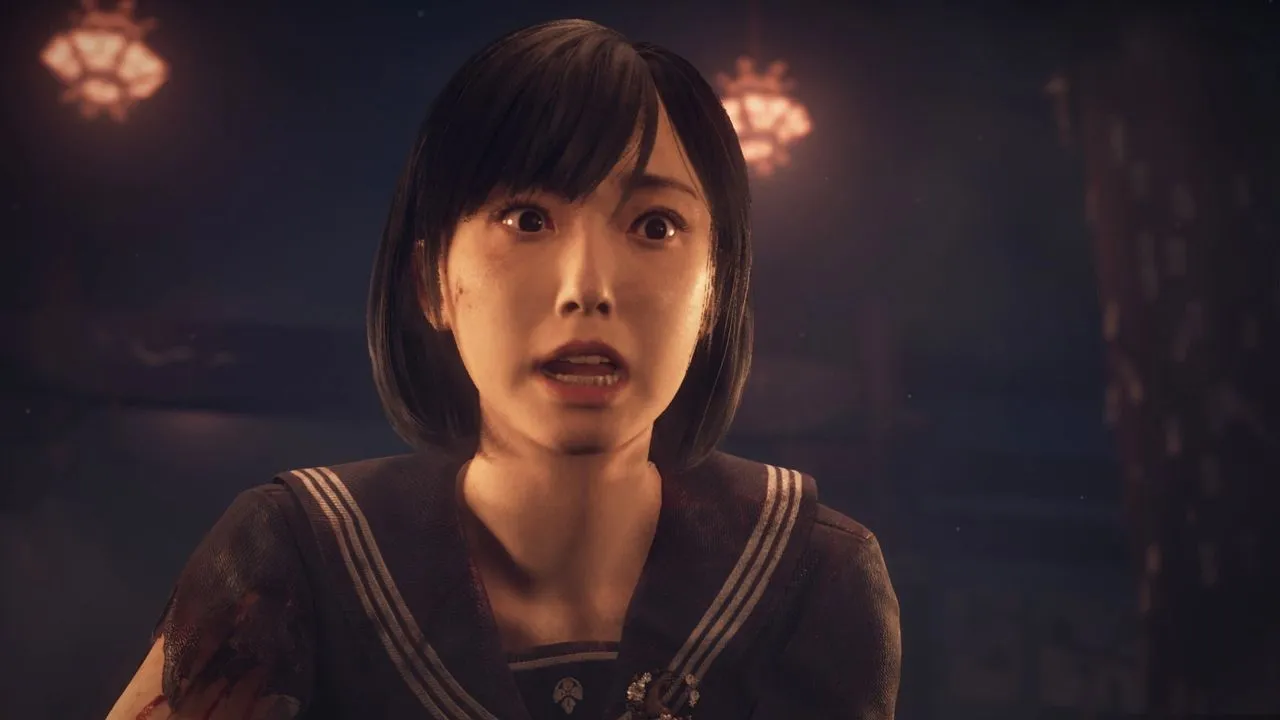
Silent Hill f producer Motoi Okamoto, speaking at Japan's CEDEC 2026, said internal pressure pushed scenario writers to read 100 to 200 books each year. For decision-makers, it’s a real-world peek at how studios operationalize creative quality, and what that signals about incentives and risk.
Silent Hill f producer Motoi Okamoto says his scenario writers were pushed to read at least 100 to 200 books a year. He said this in a lecture at Japan's CEDEC 2026, and the demand was aimed at strengthening “input” for the team. The headline number is exactly what Okamoto described: within the team, especially among the scenario writers, there was pressure to hit a reading range of 100 to 200 books per year.
Okamoto framed the practice as more than a productivity gimmick. He also talked about why reading matters for producers, saying he believes being well-read is an important trait to cultivate, and that reading the entire body of work by a game writer he collaborated with is a matter of “basic respect.” Put those two ideas together and you get the core claim: the studio treated literature as a pipeline, not a hobby. That’s the kind of “KPI” you might roll your eyes at, except Okamoto’s point was that inspiration has to come from somewhere.
The details matter because this is not a random culture quote. The story was first reported by Japanese site GameWatch and translated by Automaton. In his talk, titled “The Art of Producing Silent Hill,” Okamoto explained the internal mechanism: “within the team, we put pressure on each other,” with special focus on the scenario writers to read 100 to 200 books a year. That makes it feel less like an aspiration and more like a production expectation. And while the gaming industry often talks about creativity in vague terms, reading quotas are a concrete lever managers can pull, which is why the line lands.
If you’re a founder, producer, investor, or operator, the strategic question is not “books good, wow.” It is: how do teams convert creative goals into repeatable behaviors? Studios can’t spreadsheet talent in the same way they spreadsheet server load or shipping deadlines, but they can create inputs that influence outputs. Okamoto’s “input” emphasis is basically a theory of creative supply chains: external art and literature feed internal writing, which then shapes the quality of scenarios.
This also connects to broader concerns in game development about creative stagnation. The source points to two relevant examples from veteran creators. Obsidian design director Josh Sawyer recently spoke about being influenced by fine art, cinema, and theater in a YouTube video. And last year, Final Fantasy composer Nobuou Uematsu lamented the stagnation he saw in game music, which he partly attributed to new composers overly relying on other videogame music for inspiration. Those examples are not identical to scenario writing, but they rhyme. They all push back on the idea that a single niche medium is enough. If your inputs are too narrow, your outputs can start to feel like variations of the same safe pattern.
Second-order implications show up fast for decision-makers. When a producer insists that writers read 100 to 200 books a year, it signals that the studio’s quality bar may rely on deliberate immersion, not just iterative drafts. That can create an advantage in consistency, because it tries to standardize the “taste formation” process across writers. But it can also change team dynamics. Quotas create accountability, and accountability can either sharpen collaboration or quietly raise tension, depending on how leadership defines success and how much autonomy writers keep.
There’s also a risk-and-reward angle for anyone funding or overseeing games. Creative production is inherently uncertain, but teams still manage uncertainty by controlling inputs. Reading aggressively is one such control. If it works, the studio can claim a defensible creative process. If it doesn’t, critics can argue the team overspent time on activities that are hard to measure. Okamoto’s framing of “basic respect,” including reading an entire body of work by a writer he collaborated with, is the defense: it’s not about hitting a number for its own sake. It’s about grounding collaboration in deep context.
So what does this mean beyond one producer’s lecture? It suggests that even “art” inside games gets operationalized when leadership feels the outcome needs help. For teams building new worlds, it’s a reminder that scenario quality is not only about writing talent, but about the breadth of artistic references feeding that talent. And for executive decision-makers, it’s a live example of how studios might tie creative development to concrete behaviors, then hope those behaviors compound into stronger scenarios.
If you lead a studio, review how your organization treats inputs. When you hear “100 to 200 books a year,” take it as a signal of seriousness, not as a magic number. In a market where audiences are quicker than ever to notice sameness, tightening the creative pipeline might be one of the few moves leaders can make that doesn’t require a lottery ticket.
This story's Key Insights and Take-aways are locked.
Create a free account to unlock Executive Actions for one credit.
Register to UnlockAlways free for Executives Club members. Join the Club
More in Entertainment

'It's a Magic Trick': Ballet Experts Say Rosalía's SNL Pose Is Impossible
Three ballet experts tell Rolling Stone Rosalía's gravity-defying SNL stillness shouldn't be possible - and why the debate is now part of the show.

Activision CMO: GTA 6 Will Boost Call of Duty, Not Bury It
Activision's top marketer says Rockstar's blockbuster will drive players back to consoles and into Modern Warfare 4, even as the company admits its recent strategy failed.
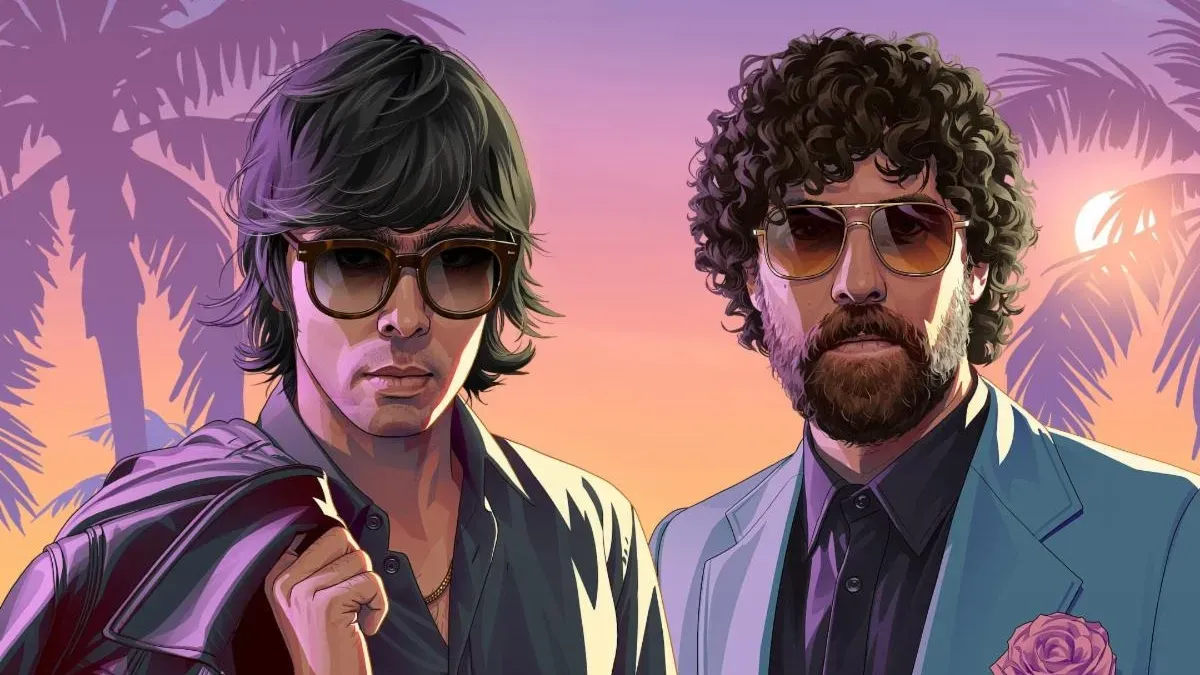
Justice to Score GTA 6, Share New Song with Tame Impala, SZA, King Gizzard
Rockstar taps the French duo for the GTA VI score, and the first taste is a genre-melting collab with Tame Impala, SZA, and King Gizzard & The Lizard Wizard.