
Music Venue Trust’s 252,000-capacity plan launches EveryWhere At Once, filling the Glasto-shaped gap
Hundreds of venues open their doors this weekend so the grassroots levy can start changing the sector.
Mark Davyd, CEO of Music Venue Trust (MVT), backed the inaugural Everywhere At Once festival, staging big and rising names across hundreds of UK venues while Glastonbury takes a fallow year. The 252,000 venue-capacity math is the pitch, and the policy-and-funding consequence is how decision-makers can keep live music ecosystems alive.
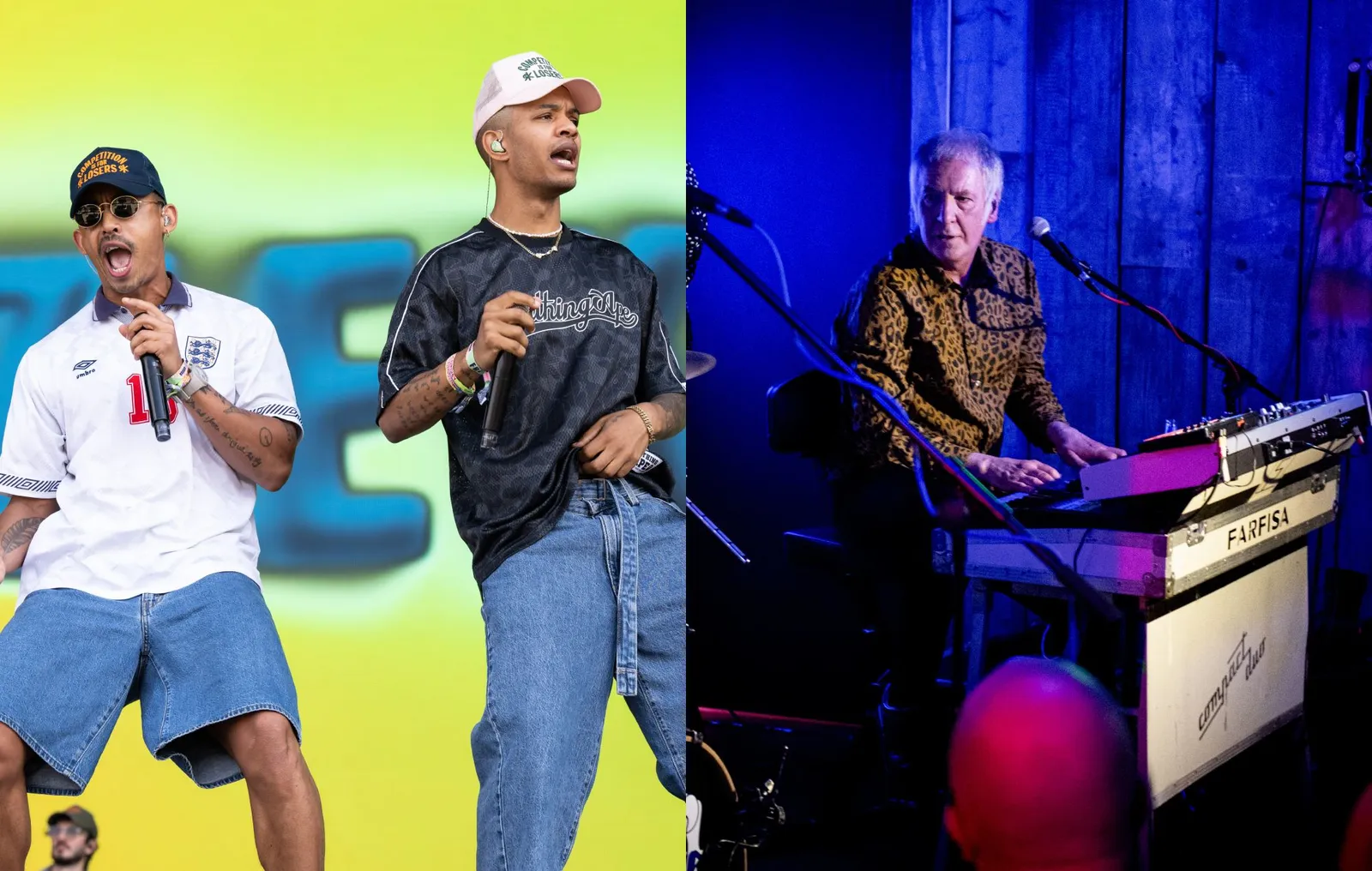
This weekend, the inaugural Everywhere At Once festival is running in the exact shadow Glastonbury created. While hundreds of thousands would usually head to Worthy Farm, the land is in its traditional fallow year, and the Music Venue Trust (MVT) and its partner promoters turned that pause into a spotlight on the UKs grassroots venues. Artists including Rizzle Kicks and Inspiral Carpets are taking stages across hundreds of venues nationwide, in a bid to entertain the masses and, crucially, keep the smaller rooms functioning.
At the center of the effort is MVT CEO Mark Davyd, who told NME that the sector is treating this moment as a “turnaround year.” His argument is unusually specific: open up all the grassroots music venues in the UK at the same time, and their combined full capacity would be 252,000. Davyd says that is “exactly the size of Glastonbury,” and the practical implication is straightforward. The festival is not just programming, it is a proof-of-demand for venues that otherwise have less visibility, less resilience, and a harder time converting audience attention into stable income.
For executives and board-level stakeholders, the interesting part is how the funding logic is supposed to kick in. Davyd points to money starting to come in from the “grassroots levy,” framing it as an early signal that “things will start to change for the better.” That matters because grassroots venues are not just cultural infrastructure, they are capacity builders. They are where early-stage artists cut their teeth, where audiences discover acts before they become headline names, and where promoters test what lands locally. Without these rooms, the supply chain for future tours, festival lineups, and long-term artist development gets thinner.
The timing also carries regulatory and capital context. NME notes that the National Lottery has been celebrating reaching a milestone of investing over £1billion into music. In that environment, Everywhere At Once functions like a coordination event among “all the bodies” involved, calling on artists including Becky Hill, Fatboy Slim, and Tinie Tempah to take part in “a maniac’s dream” of a festival. The message Davyd wanted broadcast is direct: “These venues are still here and still putting on great shows.” In other words, the project is both a cultural campaign and an underwriting narrative for the institutions that might fund what happens next.
Zoom out further and the second-order risk becomes clearer. NME says the UK has lost over 300 grassroots music venues over the last decade. That is not a soft problem. It is a structural loss of small-scale capacity at the exact stage when many artists rely on authenticity, repeatable draw, and local momentum. Rizzle Kicks, via Harley Alexander-Sule, ties the issue to how artists actually grow. He describes grassroots rooms as the places where an organic pathway used to exist, where people might “see them here” and where A&R scouts would show up in venues every night. He contrasts that with a world where analytics and TikTok metrics can dominate attention, where “there’s nowhere to hide” in live settings, and where performing to unfamiliar crowds becomes confidence-building.
The festival also doubles as an argument about career scaffolding, not nostalgia. Alexander-Sule says they learned craft and generate revenue from live performance, adding that without the opportunity to “hone our craft” in venues, artists like them would not be where they are now. He connects that directly to where he came up, including Brighton venues such as Patterns, which the duo is returning to for Everywhere At Once having not played there in 15 years. He describes Patterns as “so cool that it’s still knocking about,” and positions the show as more than a single gig, framing it as shared momentum across a scene that is “in it together.”
Inspiral Carpets make the same point from another angle. Keyboarist Clint Boon tells NME they are playing three shows in Chester, Shrewsbury, and Stoke across the weekend because they are “big fans of keeping the live music scene alive” and keeping grassroots venues part of culture. He argues that for bands to move from garage-level growth to larger arenas, they need small venues that hold roughly 150 to 300 people, calling them “an essential part of the journey.” That is a capacity and throughput claim, the kind boards should recognize: stage scale is a pipeline constraint. Too much distance between rooms can break the ladder.
There is also a historical tie-in to how the grassroots circuit feeds big-league talent. NME reports that Inspiral Carpets famously hired then unknown Noel Gallagher as a roadie and technician to tour the circuit with them in his pre-Oasis days. Boon recalls they “might have made our first single when our first singer left” and that Noel auditioned to replace him but was taken on as a roadie anyway. Boon says Noel gives credit to the Inspirals for showing him how the industry works and how to operate, and that even for Oasis, the hours were built on touring up and down grassroots venues in a van.
Put together, Everywhere At Once reads like a funding and ecosystem exercise disguised as a festival. It uses a Glastonbury fallow year to mobilize mainstream attention, then tries to convert that attention into grassroots confidence and money flow. For decision-makers watching live entertainment, the strategic stake is that “cultural infrastructure” is not theoretical. It is physical rooms, staffing, local promoters, and the capacity to host the next generation of artists. If the venues disappear, the talent pipeline, audience discovery loop, and community identity all get harder to rebuild. If venues survive, the next Glastonbury-shaped moment has somewhere to come from.
This story's Key Insights and Take-aways are locked.
Create a free account to unlock Executive Actions for one credit.
Register to UnlockAlways free for Executives Club members. Join the Club
More in Business

Bungie cuts most Destiny 2 staff as Sony says Marathon still matters
Herman Hulst confirms layoffs affecting most Destiny and some Marathon teams after Bungie admits Destiny fell short.

SK Hynix jumps 11% after seeking up to $29.4B in Nasdaq listing
The chip giant filed for a Nasdaq listing plan that could raise $29.4 billion, instantly reshaping investor expectations.
Micron revenue hits nearly $42B as AI memory lifts gross margins above 81%
Fiscal Q3 results crush estimates, prove AI memory is rewriting Micron's margins, and change the momentum math for the whole chip stack.