
Musk's Tesla Roadster 2 flies on SpaceX thrusters, 0-60 in under a second
The billionaire claims the world's first flying car, but the real stakes are the regulatory scramble and the blurring line between auto and aerospace.
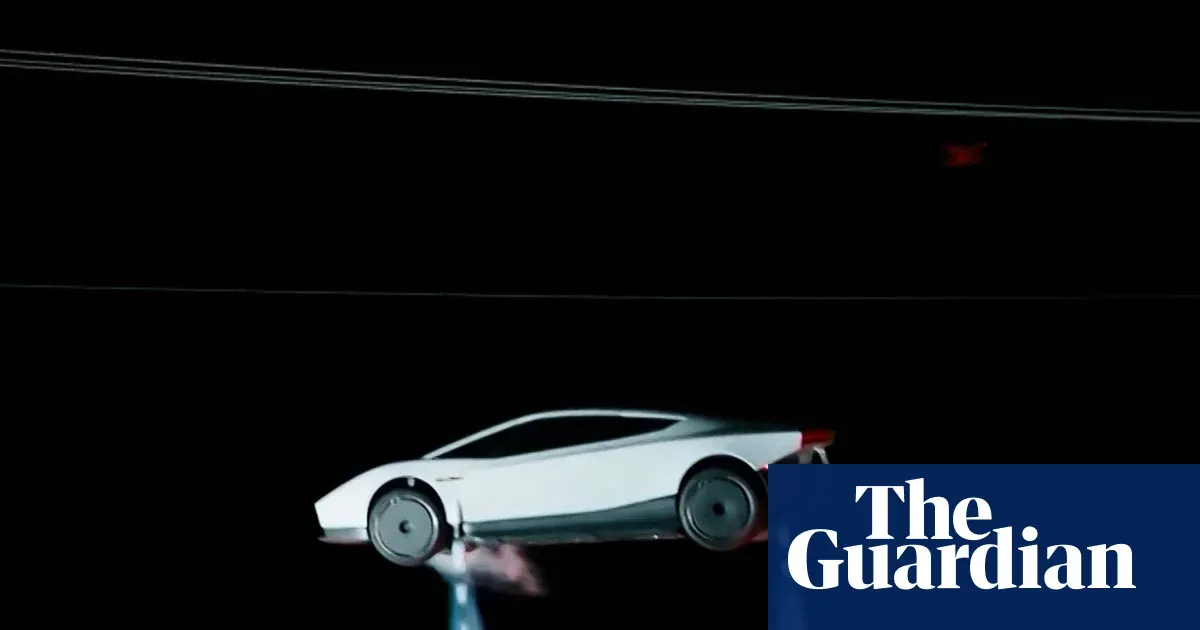
Elon Musk unveiled the Tesla Roadster 2 at a SpaceX facility in Texas, claiming it is the world's first flying car with rocket thrusters and sub-one-second 0-60 mph acceleration. For executives, the reveal signals a new mobility frontier but also a looming regulatory and safety reckoning.
At a SpaceX rocket development and testing facility in Texas, Elon Musk unveiled the Tesla Roadster 2, a sports car he claims will be the world's first flying car. The vehicle drove up a curved ramp, engaged SpaceX rocket thrusters, and flew, flipped, and landed in front of attendees. Musk said the car can accelerate from 0 to 60 mph in less than a second, a record time for a production vehicle.
The headline number is the sub-one-second sprint, but the real story is the propulsion. Musk said the Roadster 2 uses technology from his aerospace company SpaceX to "basically fly like a rocket." That is not a metaphor. The demonstration showed a car leaving the ground under thrust, not just a concept render. For anyone tracking Tesla or SpaceX, this is the first time the two companies' technologies have been fused in a consumer product reveal.
The Roadster name carries history. Tesla's original Roadster, launched in 2008, was the company's first production car and proved that electric vehicles could be fast and desirable. The second-generation Roadster was first teased in 2017, but this is the first time Musk has shown a flying version. The new model is positioned as a halo product, not a mass-market vehicle, which matters for how investors should think about it. Halo products generate attention and brand heat, but they rarely drive near-term revenue.
The regulatory picture is where the stakes get real. A car that flies does not fit neatly into existing automotive or aviation rules. In most jurisdictions, road vehicles are certified for safety on highways, while aircraft are certified for airworthiness. A vehicle that does both will need a new category or a creative regulatory path. Musk did not address certification timelines at the event, and the source does not include any regulatory details. For context, no flying car has yet received broad approval for consumer use, and several well-funded startups have spent years navigating the gap.
There is also the question of safety. Rocket thrusters on a consumer car introduce failure modes that traditional brakes and airbags do not cover. The demonstration was a controlled stunt at a SpaceX facility, not a commute. Musk's claim of "world's first flying car" is a marketing statement, not a regulatory designation. For executives in automotive, aerospace, and insurance, the reveal is a reminder that the boundaries between industries are collapsing faster than the rules that govern them.
For Tesla shareholders, the Roadster 2 is a signal of ambition, not a near-term earnings event. Tesla's core business remains selling electric sedans and SUVs, plus energy storage and software. The flying Roadster is a proof of concept for SpaceX technology applied to terrestrial vehicles. It also reinforces Musk's ability to command attention, which has commercial value in itself. The event generated global headlines without a traditional advertising budget.
For competitors, the message is clear. Traditional automakers are racing to catch Tesla on battery technology and software, but they are not building rocket thrusters into cars. That gap is Musk's moat. It is also a risk. If the flying Roadster fails to reach production or gets grounded by regulators, the hype could backfire. But if it works, it redefines what a car company can be.
The strategic takeaway for decision-makers is to watch the regulatory response, not just the vehicle. When a company like Tesla pushes a product that crosses automotive and aviation lines, it forces regulators to move. That creates opportunities for startups and incumbents that have been waiting for clearer rules. The Roadster 2 may be a spectacle, but the real race is over who gets to define the standards for the next generation of mobility.
This story's Key Insights and Take-aways are locked.
Create a free account to unlock Executive Actions for one credit.
Register to UnlockAlways free for Executives Club members. Join the Club
More in Technology

Cop fired after sharing Flock login with ICE husband: 983 searches
A Savannah officer's shared credential let an ICE agent run hundreds of plate searches on Hispanic drivers, exposing a surveillance backdoor.

Elizabeth Holmes doc 'You Can See Everything' posts second-biggest doc debut ever
The true-crime draw shows fraud narratives still sell - a signal for media execs and a caution for founders.
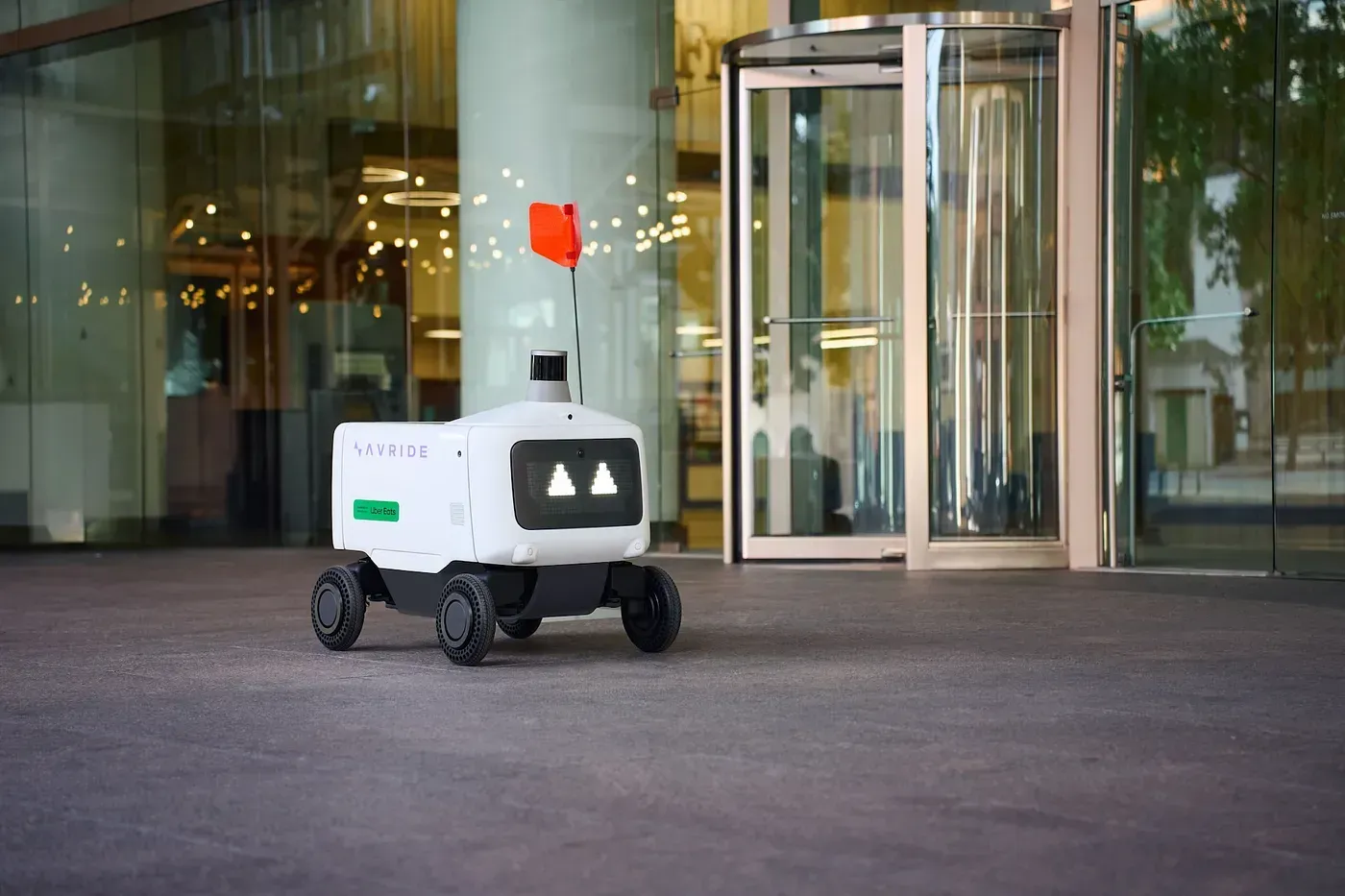
She blocked an Uber delivery robot to save jobs. Police arrested her.
Carolyn Marvin's disorderly conduct arrest turns a sidewalk standoff into a test case for how cities police the automation-versus-workforce debate.