
MyFitnessPal acquires Cal AI after its $30M influencer-fueled run
Cal AI's $30M, two-year revenue surge, powered by a small army of influencers, ended in a MyFitnessPal acquisition, a case study in creator-led consumer app growth.
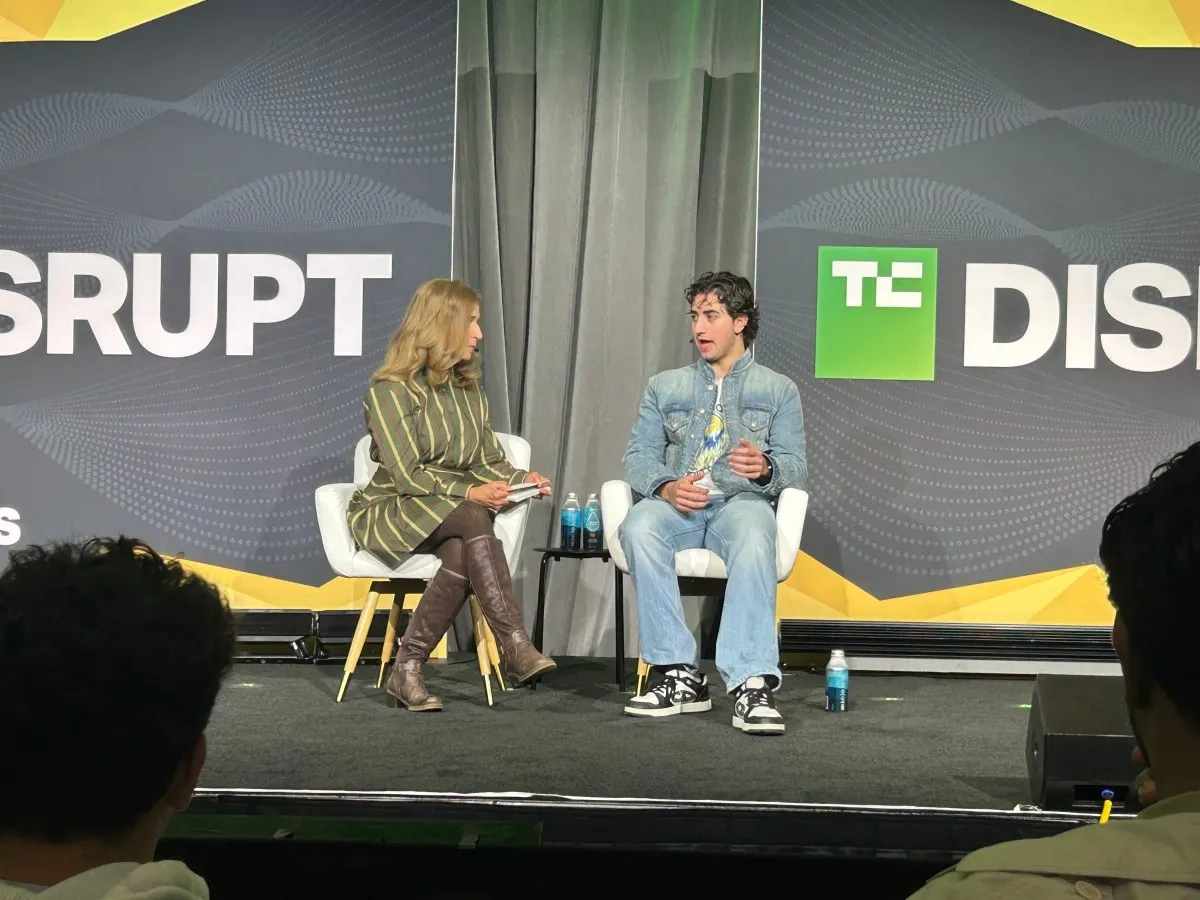
Cal AI, a calorie-counting app, generated over $30 million in revenue in two years and was acquired by MyFitnessPal in March for an undisclosed amount. For founders of consumer apps, the acquisition is a signal that a disciplined influencer marketing engine can build a business worth buying.
MyFitnessPal has acquired Cal AI, the calorie-counting app that generated over $30 million in revenue in two years, for an undisclosed amount. The deal, closed in March, marks the end of a viral run that was built not on traditional advertising but on a small army of influencers. For anyone tracking consumer app growth, the acquisition is a proof point that creator-led distribution can produce real revenue and a real exit.
The influencer engine was the core of Cal AI's rise. By deploying a coordinated network of creators across social platforms, the app turned a straightforward calorie-tracking utility into a viral product. The payoff: more than $30 million in revenue over two years, a pace that caught MyFitnessPal's attention. The acquirer, a well-known fitness and nutrition tracking platform, saw enough potential in Cal AI's growth to bring it in-house, though the price tag remains private.
For context, MyFitnessPal is one of the most established names in fitness tracking, with a large existing user base. Acquiring a younger, fast-growing app like Cal AI is a common move for larger platforms looking to capture new segments and fresh growth tactics. The deal also suggests that the buyer valued Cal AI's influencer network as much as its code. In consumer software, distribution is often the most valuable asset, and Cal AI had cracked a repeatable way to acquire users through creators.
The broader influencer economy has become a major channel for consumer apps. Rather than paying for ads that users ignore, many startups now build affiliate-style partnerships with creators who demonstrate the product, offer promo codes, and earn a commission on subscriptions. Cal AI's success shows that this model can scale beyond niche products. A small army of influencers, each reaching their own audience, can collectively drive millions in revenue without a traditional marketing budget. That is exactly the playbook that acquirers increasingly want to buy, not just rent.
For founders, the Cal AI story is a reminder that the cost of customer acquisition does not have to be a spreadsheet line item paid to Facebook and Google. It can be a network of human voices, each with their own trust and reach. The key is coordination: consistent messaging, clear incentives, and enough volume to create a compounding effect. Cal AI reportedly did this well enough to turn a utility app into a viral phenomenon, and that momentum is likely what made the acquisition attractive.
The deal also raises the question of sustainability. Influencer-driven growth can be powerful, but it often depends on platform algorithms and the continued enthusiasm of creators. If a social network changes its algorithm or a top creator moves on, the acquisition engine can slow. That may explain why MyFitnessPal moved to buy the company rather than simply replicate its strategy. Owning the brand and the creator relationships outright is a hedge against the volatility of the influencer economy.
For peers in consumer health, fitness, and wellness apps, the strategic takeaway is clear: distribution is a moat, and creator networks are a defensible one if they are treated as a core asset. The Cal AI acquisition is a compact case study in how a focused influencer operation can compress the timeline from launch to exit. It also shows that even in a crowded market, a well-executed growth loop can still command attention from the biggest players.
Ultimately, the deal is a win for both sides. Cal AI's founders and investors get a liquidity event, MyFitnessPal gets a proven growth engine and a younger user base, and the rest of the market gets a clear signal about where consumer app value now lives. The small army of influencers that powered Cal AI's run may not have built the product, but they built the business. That is a lesson no founder should ignore.
This story's Key Insights and Take-aways are locked.
Create a free account to unlock Executive Actions for one credit.
Register to UnlockAlways free for Executives Club members. Join the Club
More in Business

Elon Musk unveils a flying car, and SpaceX helped build it
The Tesla CEO's showcase at a SpaceX facility signals a future where road and rocket engineering converge.

Apple's $2,000 iPhone Duo opens preorders, taking on Samsung and Google
Apple's first foldable hits the market at a premium price, reshaping a category Samsung and Google have led.

Pope Leo XIV, first American pope, diagnosed with lung cancer
The 71-year-old Chicago-born pontiff underwent successful surgery on his right lung, and his diagnosis raises new questions about his AI-focused papacy and the Vatican's future.