
Nader Saeivar debuts Hijamat at Karlovy Vary without Jafar Panahi present
The Berlin-set drama lands across borders, built through daily calls with a friend who edited from inside Iran.
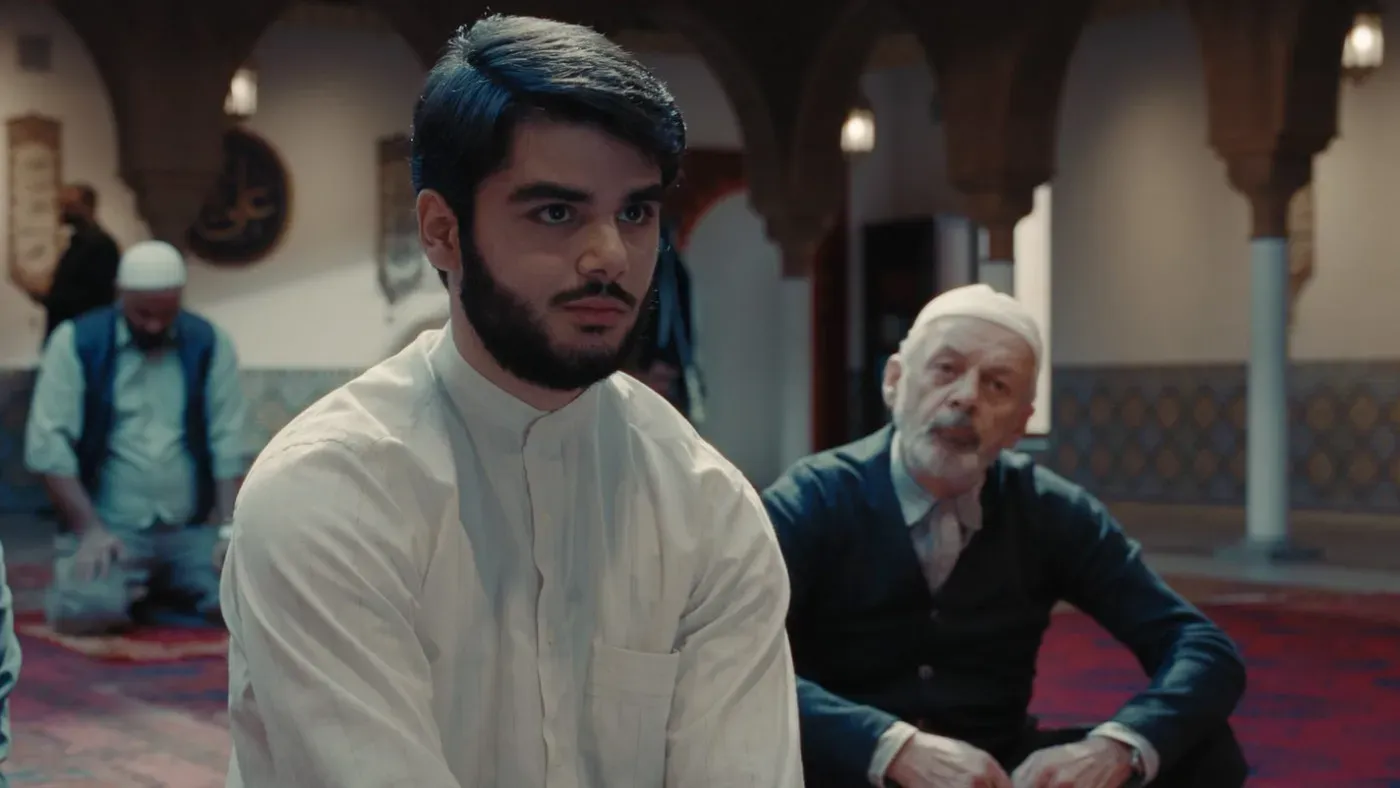
Nader Saeivar discusses his Karlovy Vary-debuting Berlin-set drama, Hijamat, including his daily calls with Jafar Panahi, who edited and produced the film but cannot leave Iran. For decision-makers, the release is a real-time case study in how directors, producers, and festivals work around political constraints.
Nader Saeivar is premiering Hijamat at Karlovy Vary even though Jafar Panahi cannot leave Iran to attend. In the conversation, Saeivar frames their connection in a blunt, almost routine rhythm: “I speak to him every day.” That daily contact matters because Panahi is not just a friend in the credits. He edited and produced the film, but the logistics of geography and politics prevent his physical presence at the premiere.
That tension, between what a film can do publicly and what its key contributors can do privately, is the beating heart of the story. Hijamat is a Berlin-set drama, and Saeivar says it is built around an ancient practice that the movie carries in its title. So you get a striking double message right away. On one side, a festival premiere in a major European city signals cinematic legitimacy and international reach. On the other, the people who shaped the film at the cutting room and production stage are constrained by Iran-based limits that Saeivar confronts through daily calls.
Why this is more than a film-industry anecdote: festivals are not just about art, they are about access. Karlovy Vary is one of the global stages where buyers, distributors, journalists, and agents pay attention. In the cleanest version of the modern film cycle, the director shows up to meet partners, press, and potential deals. But Hijamat shows what happens when the most important producer and editor cannot travel. The film still debuts. The question becomes how meaning, publicity, and deal momentum get transferred without the usual face-to-face rituals.
Saeivar’s description of Panahi’s role gives a clue to the mechanics. Panahi edited and produced the film, which means he likely had deep influence on the final structure and the choices that determine how audiences experience Berlin, character emotion, and the thematic weight tied to the title. Yet Panahi’s inability to leave Iran forces an operating model where filmmaking decisions continue across distance, and where “presence” gets replaced by communication. “I speak to him every day” is less a romantic line and more an operational reality: daily coordination becomes the workaround for blocked movement.
Now zoom out to the regulatory background that generally shapes these scenarios, without claiming details beyond what’s in the source. When filmmakers are based in countries where travel is restricted or complicated, international premieres become less straightforward. Even when a film is completed and ready, the people who would normally represent it publicly may be unable to participate in person. That changes the incentives for everyone else in the chain. Press coverage can skew toward the attending director and other collaborators. Negotiations can depend more on intermediaries and less on the credibility generated by a live appearance. And the production team that cannot travel may rely on written materials, remote advocacy, and festival logistics that are designed to keep films moving even when contributors cannot.
The title itself, Hijamat, also points to how cultural practices become cinematic bridges. Saeivar says “everybody needs” the ancient practice that gives the film its name. Whether you approach the practice with cultural curiosity or skepticism, the storytelling purpose is clear: the film uses a specific tradition as an emotional and thematic anchor. That choice matters for decision-makers too, because it signals how a niche cultural element can be packaged for an international audience. A Berlin-set drama with an Iranian-rooted title is positioned to create a conversation across contexts, not just to entertain inside a single market.
There is also a second-order effect for peers planning festival runs or international co-productions. Hijamat’s path suggests that constraints do not automatically kill momentum. When key creators cannot attend, the premiere can still function as a launch. But the work moves earlier into coordination and the ecosystem around the film becomes more important. The attending parties, the press strategy, and the festival representation role all rise in importance. In other words, the “brand” of the film becomes a shared job, not a solo appearance.
Saeivar’s tone, centered on daily communication and on the significance of the practice behind the title, turns the premiere into a kind of endurance story. He is not just sharing behind-the-scenes trivia about who edited and who produced. He is describing the structure of a creative partnership that continues under restriction. For anyone watching how media crosses borders in politically tense environments, Hijamat provides a concrete example: international debut is possible, but the human constraints show up in how the film gets shepherded, presented, and understood. The strategic stake for executives, producers, and board-level decision-makers is simple: if your pipeline depends on global distribution and festival visibility, you need playbooks for representing and monetizing work when key creators cannot physically appear.
This story's Key Insights and Take-aways are locked.
Create a free account to unlock Executive Actions for one credit.
Register to UnlockAlways free for Executives Club members. Join the Club
More in Entertainment

Russell Brand's accuser 'bewildered and confused' as he denies 7 sex charges
The criminal case against the comedian is a live test of how media companies manage talent risk when serious allegations go public.

'It's a Magic Trick': Ballet Experts Say Rosalía's SNL Pose Is Impossible
Three ballet experts tell Rolling Stone Rosalía's gravity-defying SNL stillness shouldn't be possible - and why the debate is now part of the show.

Activision CMO: GTA 6 Will Boost Call of Duty, Not Bury It
Activision's top marketer says Rockstar's blockbuster will drive players back to consoles and into Modern Warfare 4, even as the company admits its recent strategy failed.