
NASA IG flags Starliner certification slipping to 2027, pushing Boeing a decade past 2017
An audit finds NASA has to treat unresolved 2024 test issues as a gating item, not an afterthought.
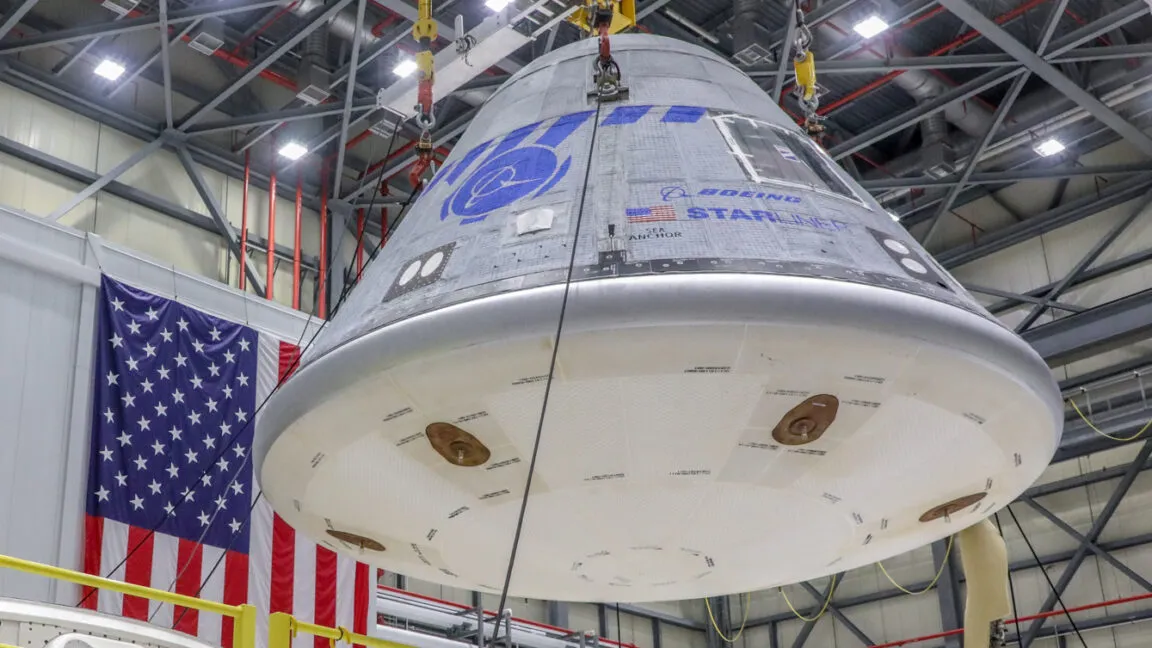
NASA's inspector general released an audit of the agency's Commercial Crew Program that suggests Boeing's Starliner crew capsule will not be certified for operational ISS flights until next year, with certification potentially delayed to 2027. For decision-makers, that timeline creates a hard schedule risk against NASA's ISS retirement in 2030 and Congressional efforts to extend it to 2032.
NASA's inspector general says Boeing's Starliner will not be ready for operational flights to the International Space Station on the schedule Boeing originally targeted. In the audit released Tuesday, the regulator's recommendations and NASA's responses point to Starliner's certification slipping to 2027, which is a decade behind Boeing's original 2017 target.
The practical clock is already ticking. The audit indicates NASA's Commercial Crew Program may not certify Starliner for regular crew rotation flights until next year. That timing lands just three years before NASA's official retirement date for the ISS in 2030, even as lawmakers in Congress are seeking an extension until 2032.
To understand why this is more than a “schedule slip,” you have to look at what certification actually means in commercial crew. NASA's Commercial Crew Program is structured around trust. The agency is effectively signing up for recurring risk, not a one-off demo. Certification is the moment NASA decides a system is stable enough to support operational transport of astronauts to and from the ISS. When an inspector general audit recommends building the next flight schedule and ensuring it includes “sufficient time to ensure all of the problems from Starliner's first test flight with astronauts in 2024 are 'resolved and documented,'” it is telling the ecosystem that the work is not done until the record is complete and the issues are closed.
The audit also matters because it connects the capsule's readiness to future mission planning. The inspector general issued six recommendations, and NASA officials agreed to all of them. Those recommendations include developing a schedule for the next Starliner flight and future crew missions, then updating that schedule so it explicitly accounts for time needed to close and document the problems from that 2024 astronaut test flight. In plain English: NASA is pushing for calendar discipline around technical resolution, not optimistic timelines.
This is where the second-order implications hit. When Starliner certification stretches toward 2027, the downstream planning for crew transport becomes constrained. Even with Congress debating a possible extension of the ISS beyond 2030 to 2032, program managers still have to budget around a retirement date, workforce transitions, and the logistics of recurring missions. A delay that is a decade behind a 2017 target also raises the bar for convincing stakeholders, including oversight bodies, that future milestones will land reliably.
There is also a governance angle. Inspector general audits are not just about identifying issues. They can change how NASA and contractors report progress, how schedules get approved internally, and how risk is framed in oversight hearings. NASA officials agreed to all six recommendations, which suggests NASA is not planning to fight the audit findings. Instead, NASA is likely to incorporate the inspector general's expectations into how it tracks the Commercial Crew Program, what it treats as “resolved,” and how it documents closure.
For Boeing and for peers in space systems and mission assurance, the strategic stakes are obvious. A “next year” certification that still implies a 2027 outcome, and a decade delay versus an original 2017 target, is the kind of gap that can reshape contractual relationships, board-level accountability, and long-term credibility with regulators. For executives overseeing aerospace programs, the lesson is not just that timelines slip. It is that regulator-approved schedules and documented problem closure are the real gating items. When you miss either, every later milestone inherits the delay, until your operational window is suddenly measured in years, not quarters.
This story's Key Insights and Take-aways are locked.
Create a free account to unlock Executive Actions for one credit.
Register to UnlockAlways free for Executives Club members. Join the Club
More in Technology

Nvidia's $89B data center quarter: the 9 companies cashing in
The AI buildout is minting fortunes beyond GPUs, and memory, cloud, and cooling suppliers are riding the same wave.

Google quietly links your phone number to every Android account on your SIM
Adding a SIM now ties your phone number to all Google accounts - and future accounts inherit it. Here's the security and privacy stakes.

Hijacker AI 'Skynet mode' runs 100,000 attack steps against exposed models
Symantec caught a criminal AI agent that borrows other models, steals data, and mines crypto; the only relief is no confirmed victims yet.