
NASA's $150K challenge: keep moonwalkers from zapping spacecraft
The Lunar Grounding Challenge targets static charge buildup that could arc, spark fires, or damage suits before Artemis lands at the south pole in 2028.
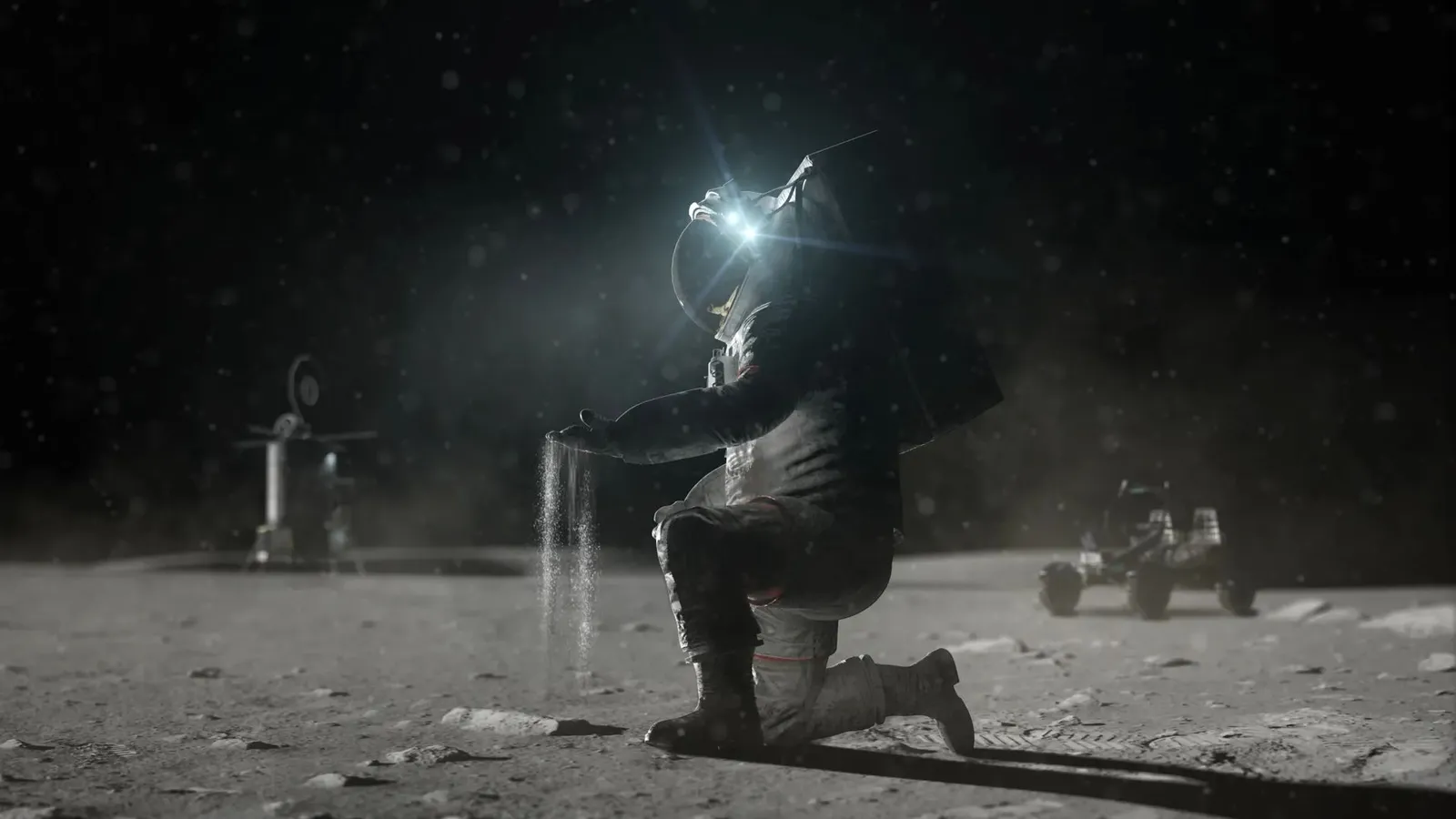
NASA has opened the Lunar Grounding Challenge, a $150,000 prize competition for designs that prevent astronauts from becoming electrically charged and zapping spacecraft during moon missions. The deadline is Jan. 15, and the solution will be critical for the Artemis 4/5 landing at the lunar south pole in 2028.
NASA is putting $150,000 on the line to solve a problem that sounds like science fiction: stopping moonwalkers from turning into 'walking, high voltage capacitors' that could zap their spacecraft. The Lunar Grounding Challenge, opened this week, asks industry partners to submit designs by Jan. 15 that safely discharge static electricity from spacesuits before an astronaut touches a lander. The deadline is tight, and the stakes are literal: an electrical arc could damage suits, spark fires in an oxygen-rich cabin, or deliver a shock to a crew member.
The physics behind the risk is subtle but serious. On the lunar surface, two processes build up charge on a spacesuit: tribocharging, where contact between materials transfers electrons, and plasma charging, where ambient gas in the region adds to the imbalance. The problem gets worse in permanently shadowed craters at the south pole, where the sun never reaches and the environment is dominated by excess electrons. When a highly negatively charged astronaut approaches the lander, which carries a slight positive charge, the voltage difference can arc across the gap. NASA's own description warns that suspended lunar dust and heavy buildup on a suit 'significantly increases arcing lengths, allowing sparks to jump across larger gaps than they would in a clean vacuum.'
This is not a theoretical concern. A 2018 Mars simulation was reportedly derailed when a crew experienced electrical issues, and the Apollo missions dealt with dust-related static problems. For Artemis, the first crewed landing since Apollo 17 in 1972, NASA plans to put boots at the lunar south pole in 2028 during Artemis 4 or 5. That gives the agency just a few years to develop and fly a solution. The challenge is designed to accelerate that timeline by tapping external expertise.
The technical requirements are demanding. NASA wants a device that is small in mass, volume, and power, and that can operate through the extreme temperature swings of the lunar surface. It must support as many as four extra-vehicular activities over a 10-day period. And it has to prevent a sudden arc that could contact the pressure garment or the lander. The solution must also work in the dusty, low-gravity environment where static charge behaves differently than on Earth.
The competition itself is structured in phases: concept design, refinement after reviewer feedback, and final selection. NASA did not specify a target date for when the technology would be ready, but the agency is planning a long-term moon base that could be largely operational in the 2030s if schedules hold. For companies that win, the $150,000 prize is modest, but the real value is the relationship with NASA and a potential path into the lunar economy.
For executives and founders, this challenge is a low-cost, high-visibility entry point into the Artemis supply chain. The submission deadline is Jan. 15, which means teams have only a few weeks to prepare a concept. That favors agile startups and small R&D teams over large primes, which often move slower. It also signals that NASA is willing to crowdsource solutions for hard engineering problems, a pattern that has become more common in the space industry.
The broader implication is that static electricity is a hidden risk for any lunar hardware, not just spacesuits. Rovers, landers, and even future habitats will face the same charging environment. A solution developed for the challenge could have spin-off applications for spacecraft docking, satellite servicing, or even terrestrial industries that deal with electrostatic discharge in extreme conditions. For investors, the challenge is a signal that NASA is prioritizing a problem that could otherwise become a mission-critical failure.
The clock is ticking. Submissions are due Jan. 15, and NASA will review concepts with an eye toward a 2028 landing. The agency has not said how many winners it will select, but the challenge description makes clear that the solution must be practical, robust, and ready for the harsh reality of the lunar south pole. For the team that cracks it, the reward is not just the prize money - it is a chance to be part of the first crewed moon landing in over half a century.
This story's Key Insights and Take-aways are locked.
Create a free account to unlock Executive Actions for one credit.
Register to UnlockAlways free for Executives Club members. Join the Club
More in Technology

Cop fired after sharing Flock login with ICE husband: 983 searches
A Savannah officer's shared credential let an ICE agent run hundreds of plate searches on Hispanic drivers, exposing a surveillance backdoor.

Elizabeth Holmes doc 'You Can See Everything' posts second-biggest doc debut ever
The true-crime draw shows fraud narratives still sell - a signal for media execs and a caution for founders.
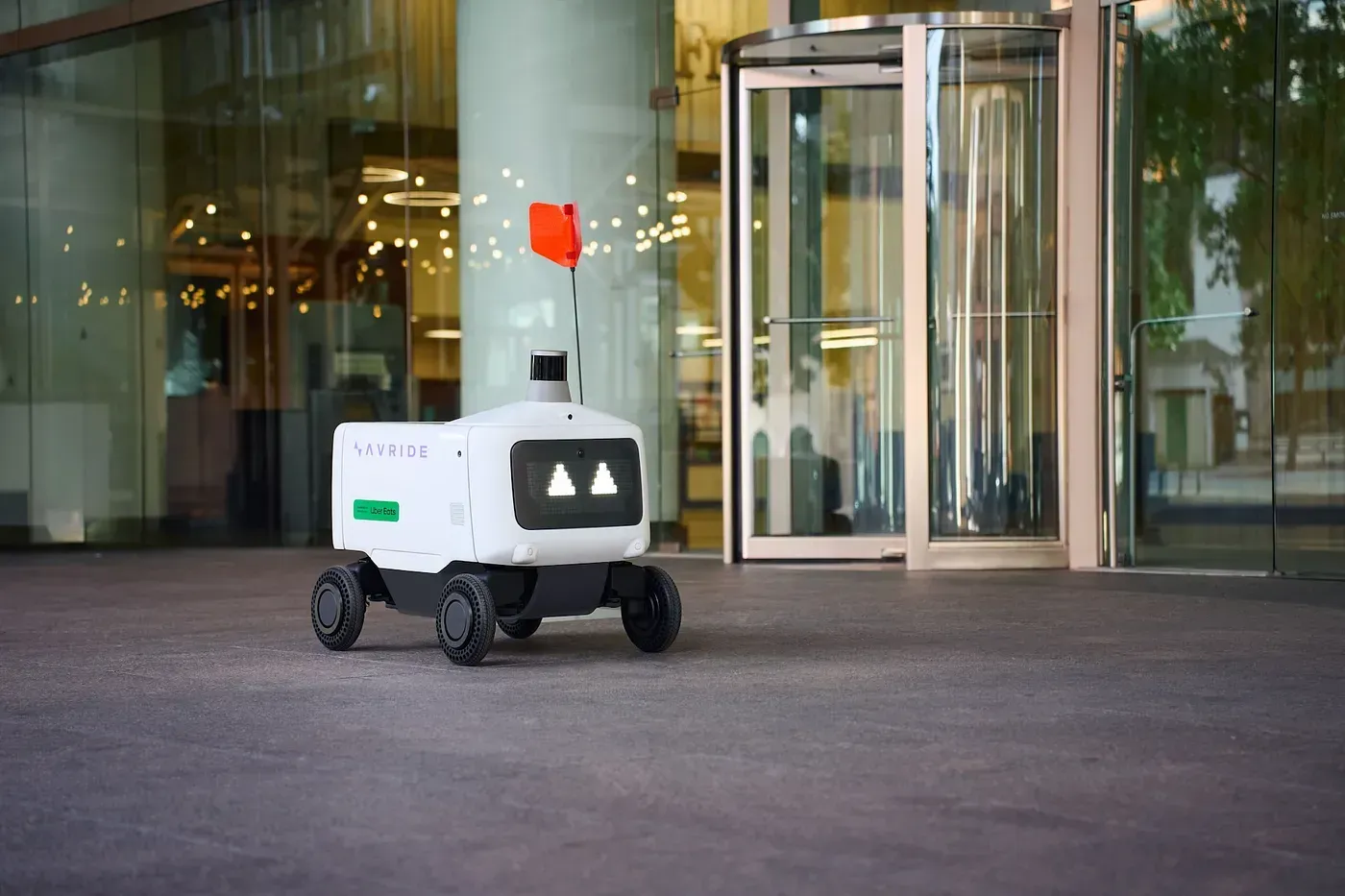
She blocked an Uber delivery robot to save jobs. Police arrested her.
Carolyn Marvin's disorderly conduct arrest turns a sidewalk standoff into a test case for how cities police the automation-versus-workforce debate.